

Subscribe from $5.99
0,00 USD

No products in the cart.

Teacher’s Pet: January/February 2025

Advertisement

Originally published in TEACH Magazine, January/February 2025 Issue

Name: Davy Crickett
Age: 1 year
Breed: Bearded Dragon
Characteristics: alert, spoiled rotten, a survivor
Location: Texas, USA
Parent: Candy J.

When I started teaching fourth-grade science and social studies, I decided I wanted to have a class pet. ‘A lizard would be a good choice,’ I thought. ‘You could never get too attached.’ Then I saw Davy at Petco and realized I’d been kidding myself. He was the most beautiful orange colour, and was bigger than all the other lizards there. I knew immediately that he was the one.

He quickly became a hit with all the students; every day they grew closer to him. I did too.
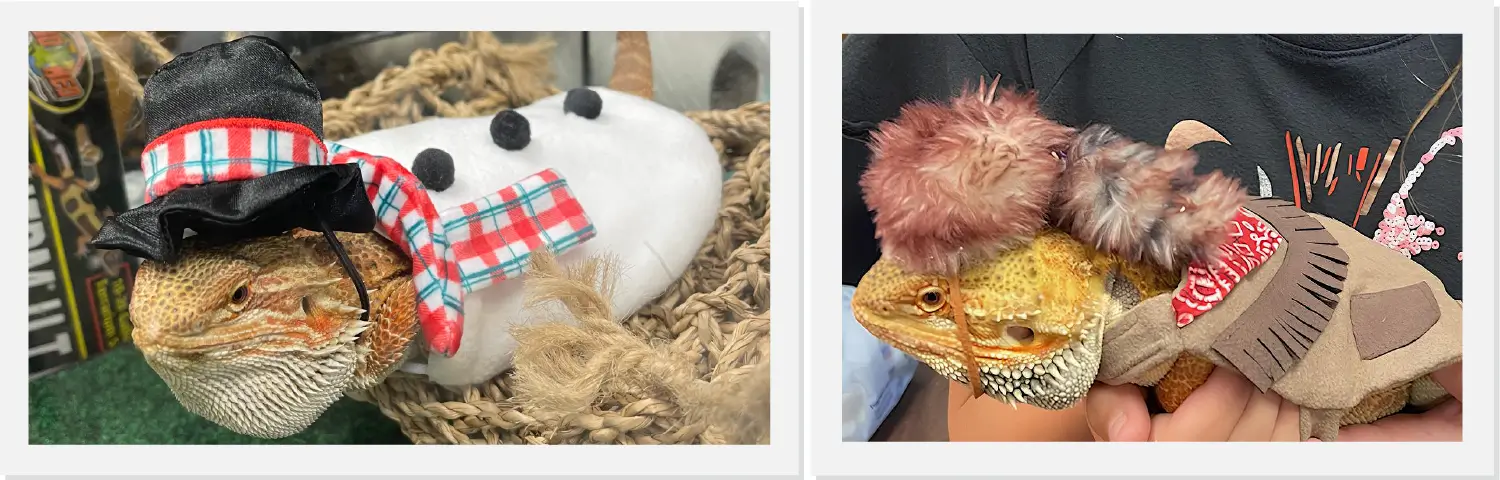
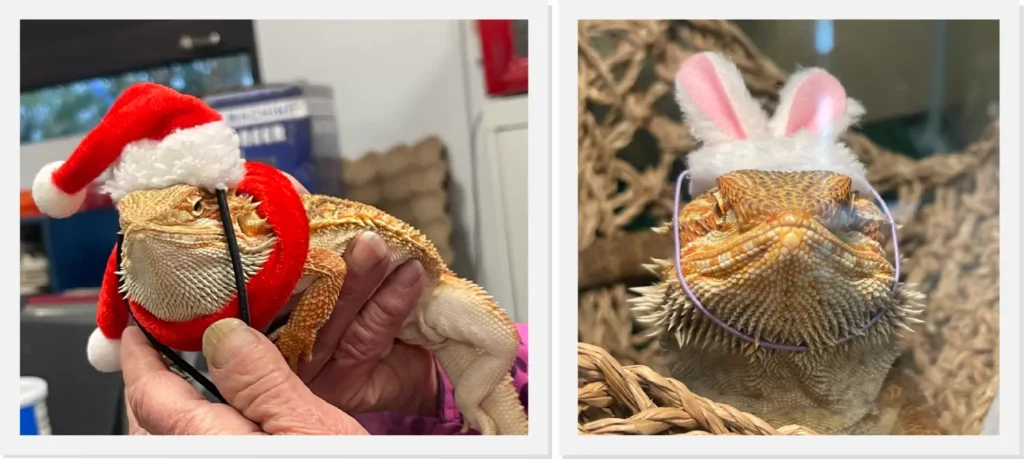
Davy dresses up for everything! Halloween, Christmas, and plenty of other occasions too.

I used him in my lessons right from the beginning. The class examined his skin when he shed, studying it under the microscope. We researched his role in the food chain, his adaptations, and how he compares to other lizards in Texas. Davy even has his own Meal Worm Saloon, where we are able to raise, study, and witness metamorphosis take place under a microscope.

Leading up to the Christmas holidays, Davy began eating less and less. I took him to the vet, but after a prescribed regime of hand-feeding, medication, and injections of sterilized water, he wasn’t improving much. Eventually, I had to take him to an expert in the Dallas area. The kids made a video, asking for this specialized vet to “please save our friend, Davy!”

After another month of shots and a special diet, Davy began to recover. Now he’s back to his regular self and eats about 30 crickets a day!

If you’d like your pet to be featured, check out the submission guidelines.

TEACH is the largest national education publication in Canada. We support good teachers and teaching and believe in innovation in education.

Education News

Why Are Older K–12 Readers Struggling?

A new report, based on research from AERDF’s Reading Reimagined program, provides actionable takeaways for policymakers, district leaders, and educators.

Combating the Global Plastic Crisis Through Project-Based Learning

Classrooms around the world transition into centers of innovation as the Unplastify Challenge culminates in student-led strategies for plastic pollution prevention.

Engaging with Banned Books

As book bans increased across the nation, we wanted to counter the narrative that books are dangerous. We sought to collect research and essays on how books fostered understanding, built community, and healed emotional and physical trauma.

Launch of National Youth Apprenticeship Council to Influence Canada’s Skilled Trades Future

The new national Council will bring youth leadership directly into decisions shaping Canada’s skilled trades and apprenticeship system.

New Literacy Solution Helps Districts Engage Families in Improving Reading Outcomes

This structured literacy communication system connects district initiatives, family engagement, and attendance efforts.

Supporting Teachers with Tiny Pep Talks

Teaching is meaningful, important, and filled with joys both big and small. But also, let’s face it, there are days where you could use an extra pep talk (or twenty).
TEACH Mag
TEACH Mag
TEACH is the largest national education publication in Canada. We support good teachers and teaching and believe in innovation in education.

Advertisement

Advertisement

Read More

Why Are Older K–12 Readers Struggling?

A new report, based on research from AERDF’s Reading Reimagined program, provides actionable takeaways for policymakers, district leaders, and educators.

The Top Classroom Kits Every Special Education Teacher Should Know About

The best classroom kits for special education teachers are the ones that support a wide range of needs, from communication and motor skills to sensory processing.

How Schools and Families Can Help Fund Childhood Cancer Research

Childhood cancer impacts thousands of families in the U.S. each year, but it continues to be underfunded and depends on philanthropic support.

Why Equitable Ed Tech Requires Infrastructure, Literacy, and Values

Beneath the question of what technologies are good for our students lies the more urgent question of which students stand to benefit?

5 Things Teachers Should Know About Retirement, According to Financial Experts

Many teachers don’t have a detailed financial plan for retirement. But taking a few early steps can make a big difference in how prepared you feel later on.

The Well-Educated Child: An Interview with Deborah Kenny

At a time when teachers are under tremendous pressure to deliver test scores but are concerned about the lack of time for quality teaching, Dr. Deborah Kenny presents a refreshing vision for how schools can produce both.