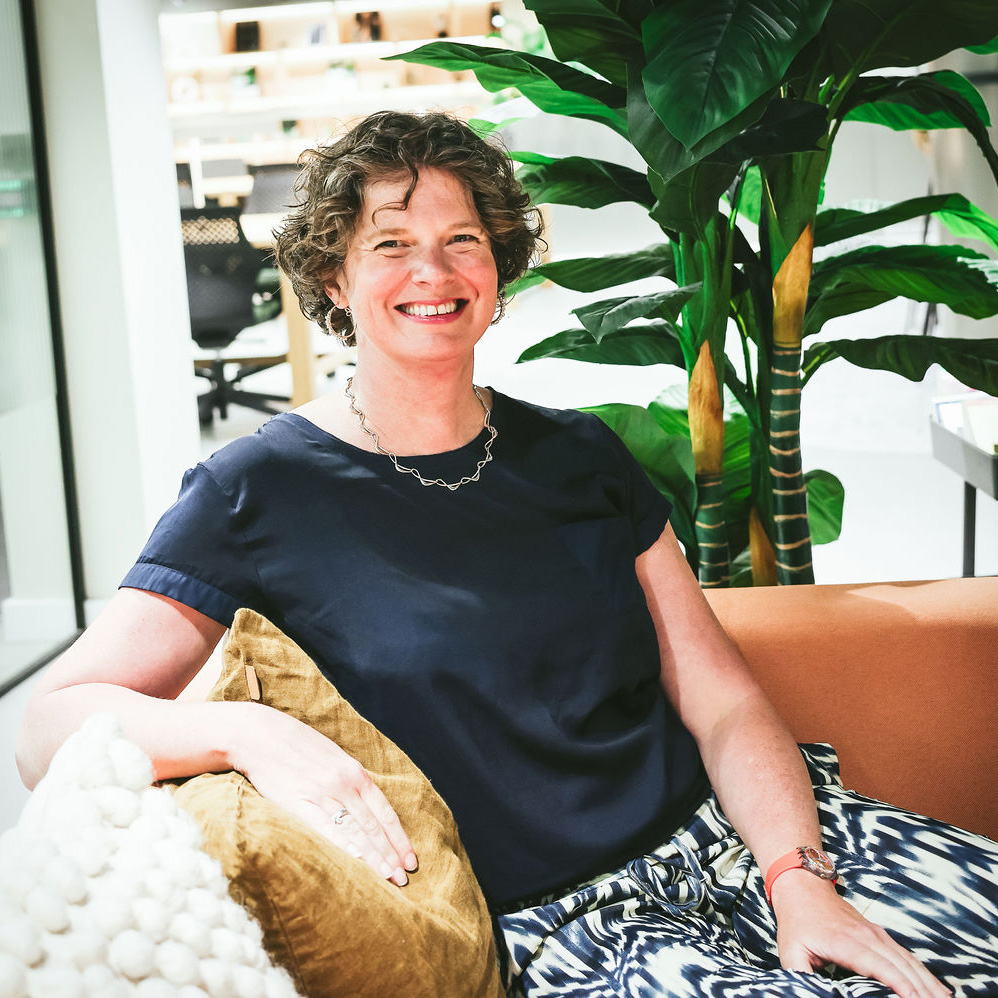
By Kate Markland
In the winter of 2023, I faced an unimaginable challenge: separation from my 10-year-old son, Gabriel, due to a welfare case shaped by policies that, in our case, clashed with the needs of children and families. For 18 months, our connection was reduced to one precious hour a week on FaceTime, a fragile thread to sustain love, trust, and belonging.
Stories have always been Gabriel’s sanctuary. Since toddlerhood, reading aloud was our cherished ritual together. In this new, constrained reality, we leaned into it again. I read to him, then he to me.
One day, after finishing Treasure Island, I asked Gabriel a simple question: “Would you like to be the hero of your own story?”
His answer was an immediate, joyful, “Yes!”
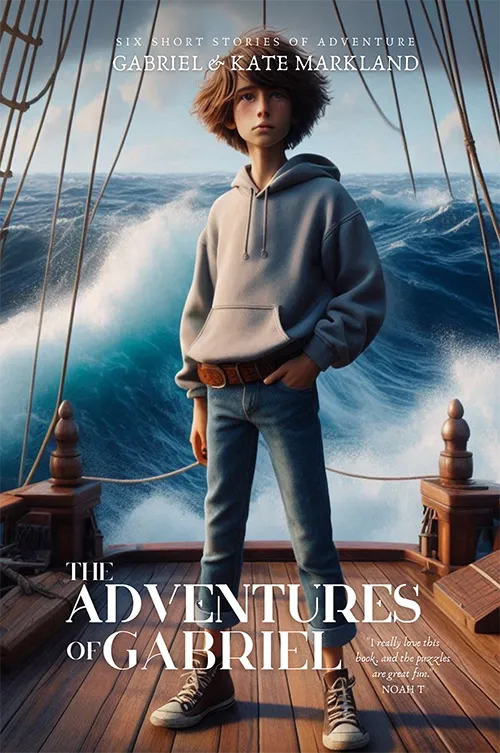
By the time we had our next video call, Gabriel was already spinning tales of defeating sea monsters, rescuing phoenixes, and adventuring with a wise owl and a platypus sidekick named Platy. I became his scribe, jotting down his ideas each week, typing them up, and reading them back. He then offered edits, revelling in the creative process. His imagination led; I followed.
What began as a shared file of stories grew into The Adventures of Gabriel, a book co-authored by an 11-year-old boy and his mum, born from constraint, fuelled by love, and rooted in empowerment.
As a former physiotherapist and educator, I understood the devastating realities of Adverse Childhood Experiences (ACEs). Self-expression, identity-building, and emotional literacy aren’t luxuries—they’re lifelines. In our oppressive, destabilising situation, this creative process was more than survival: it was healing. It was Gabriel’s silenced voice proclaiming, “I am here. I matter.”
When we shared the book with friends, educators, and psychologists, their response was unanimous: “Get this out now.” They recognised what we were only beginning to name, a therapeutic storytelling model grounded in trauma-informed principles, unleashing the worlds of a child’s imagination. Crucially, it worked.
From that one hour a week, The Adventures of Gabriel has blossomed into StoryQuest™, an emotional literacy initiative piloted in Bradford, UK. This city was a natural choice—it’s the childhood home of Gabriel’s grandmother and a place I visited often when I was a young girl, wide-eyed as my grandfather spun vivid tales I still carry. (Oral storytelling wasn’t a novelty in our family; it was a legacy, a gift passed across generations.)
A family friend and retired educationist saw the potential in what Gabriel and I had created and opened doors to Bradford’s classrooms. From there, StoryQuest™ took root.
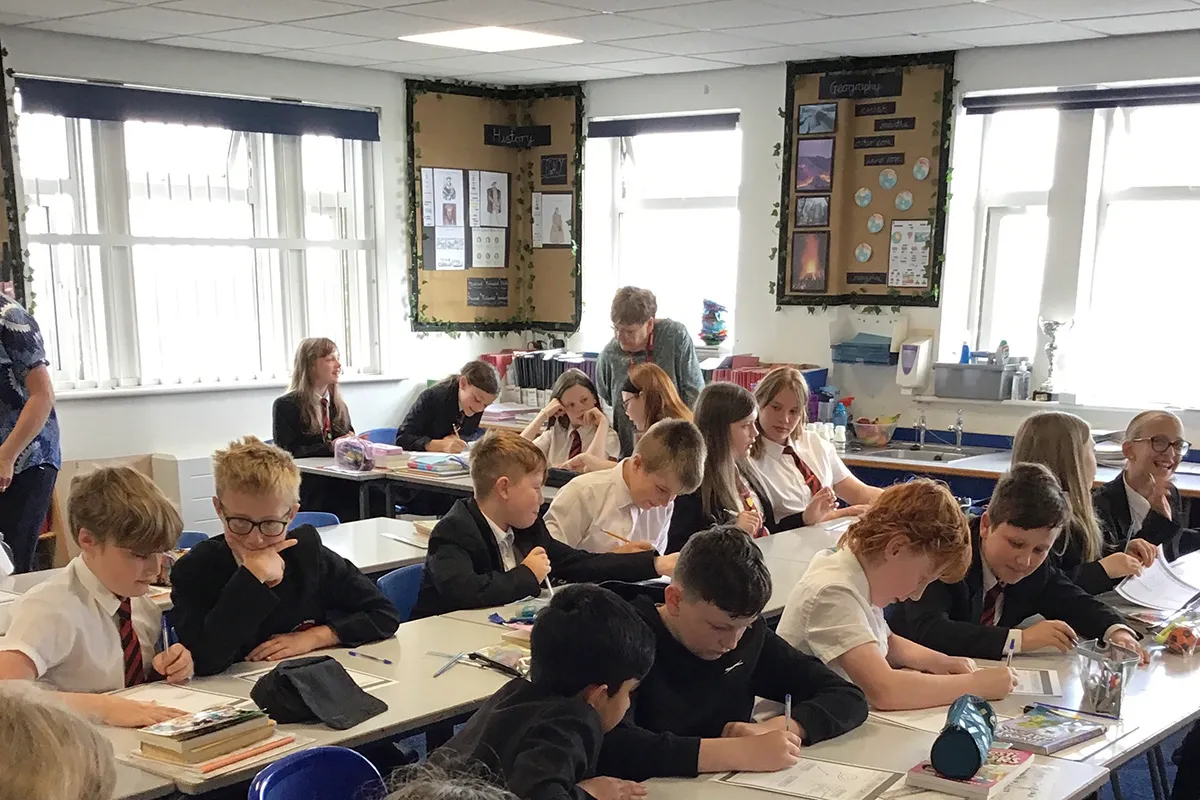
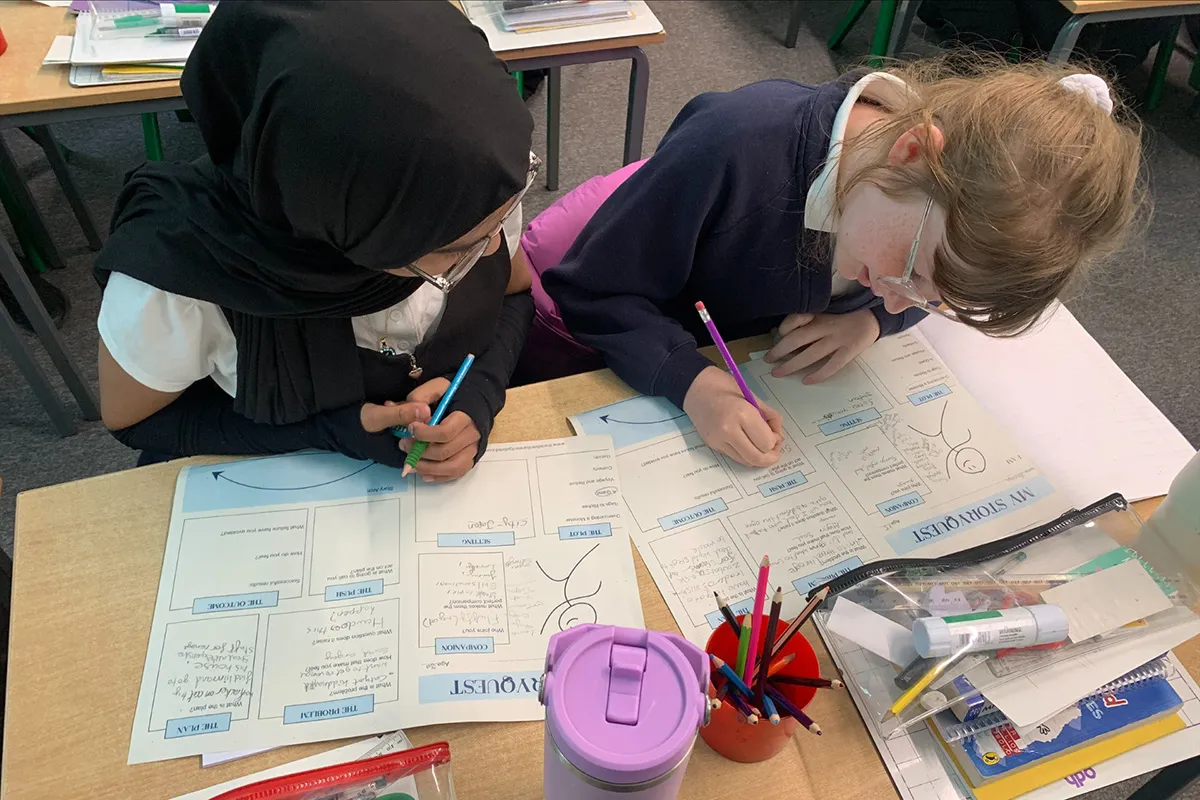
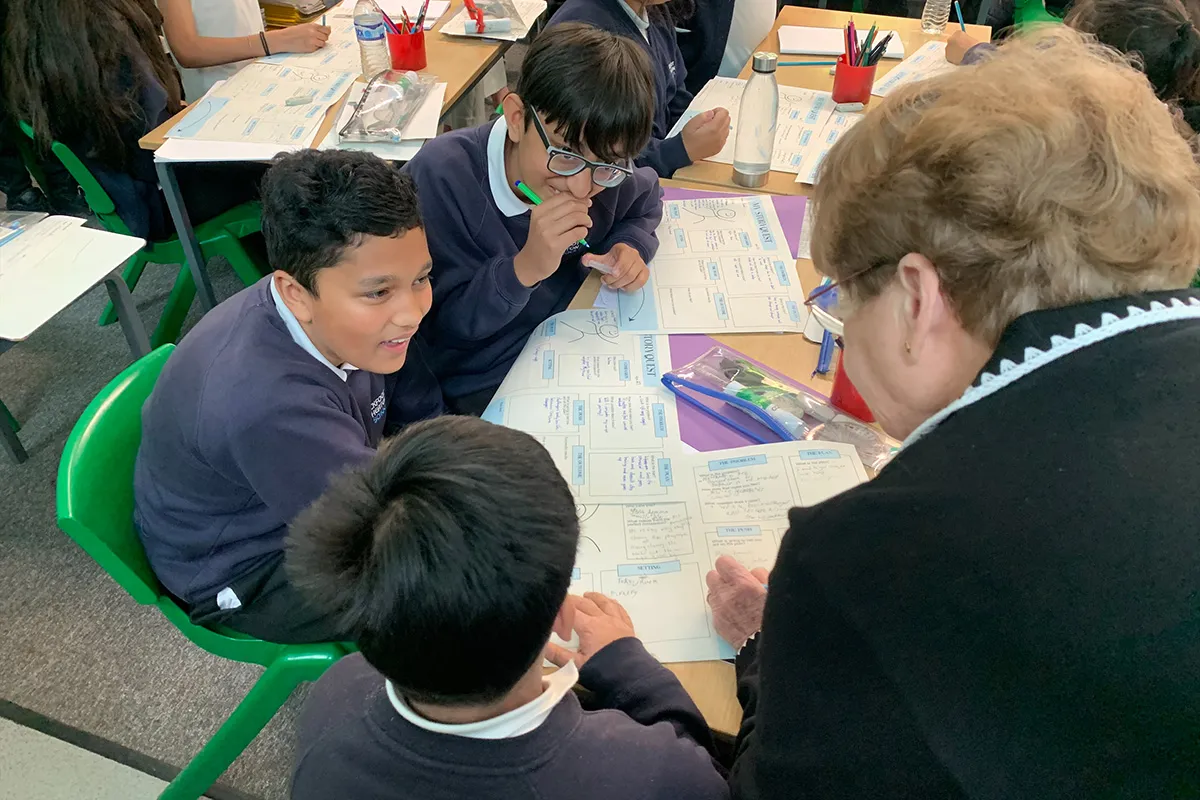
In StoryQuest™ workshops, children collaborate in pairs—one as storyteller, one as scribe—crafting characters, sidekicks, quests, and backstories. Grammar and editing come later; imagination comes first. In classrooms where children once froze before a blank page, we now hear eager voices, laughter, and unbridled joy.
One pupil informed us, beaming, that the workshop, “felt amazing and joyful. We made our own books!”
For Gabriel and me, this was never just about literacy. It was an act of resistance against enforced separation, a testament to the transformative power of story, and a lifeline to healing.
Now, the children’s tales inspired by The Adventures of Gabriel are gifts, weaving connection through oracy and literacy. In a Bradford classroom, one boy keeps Gabriel’s book in his tray, saying, “Gabriel’s imagination feels like mine.”
When children are trusted to tell their own tales, magic unfolds, uniting their voices and written words in shared joy.
Here’s what educators are saying about StoryQuest™:
Claire Light, Quality of Education Leader
From the very start of the session, every pupil was engaged and couldn’t wait to get started. Taking away boundaries of grammatical perfection freed up creativity, and pupils really worked well with their scribe partners, allowing a first draft of their story to be spoken, not written.
Pupils also loved giving feedback and adjusting their planning. I could see their confidence growing throughout the day, particularly for previously reluctant writers. Pupils cannot wait to see their published stories and share them across our school community and beyond.
Quotes from Mrs. Light’s Students
- “I loved being an author today. I got to choose my own ideas and unleash my imagination.”
- “It was fun because I got to write what I wanted. I’m hoping I’ll make someone happy if they read my book.”
Tom Hirst, Head of English
We sometimes forget about writing for pleasure and what that can do for our kids. A lot of boys and girls have a fear of the blank page—you can do all the teaching, but they sort of shut down when asked to write a story. So it was a such a great experience to see them really joyful, talking about their stories. They loved it.
Quotes from Mr. Hirst’s Students
- “I believed in myself so I could create things I didn’t even know I could do.”
- “It felt amazing to be an author because I like writing stories and sharing my ideas with others.”
Theib Khan, Year 5/6 Teacher
This program has had a genuinely transformative effect on our pupils’ engagement with reading and writing. By placing creativity and storytelling at the heart of the process, it has reignited a sense of excitement and ownership in literacy that we don’t always see through more traditional approaches.
We’ve particularly noticed how the freedom to imagine, explore, and express ideas without strict constraints has empowered pupils to take risks in their writing and develop confidence in their own voices. Staff have also responded positively, commenting on the joy and energy pupils bring back to the classroom after participating.
Perhaps most powerful of all are the reflections from children themselves:
- “I like writing my own story with no rules… I’m looking forward to finishing my story and to make more with only my rules! Not anybody else’s.”
- “It made me feel proud and responsible to be able to make my own story without support or a plan.”
- “I really enjoyed it because we got to imagine our own story and write it down.”
These voices say it all—children discovering not just a love of storytelling, but a belief in their ability to tell stories that matter.
We see this program aligning beautifully with our wider literacy vision: fostering creativity, developing agency, and building lifelong readers and writers.
To learn more about StoryQuest™, visit my-storyquest.com.
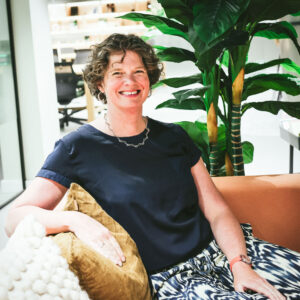
Kate Markland, founder of StoryQuest™, is a former clinician and educator with over 20 years’ experience. Kate is passionate about building resilience and self-expression in children through narrative-based learning.