

Subscribe from $5.99
0,00 USD

No products in the cart.

Celebrating Indigenous History Month with Indigo

Advertisement

By Madison Downey

This June, the Indigo Love of Reading Foundation (ILOR) honoured National Indigenous History Month in a historic way. The foundation donated its largest sum to date to First Nations schools. They impacted 30+ schools by awarding $300,000 of a total $1,000,000 to 11 on-reserve schools. These funds will help dramatically increase library budgets, ensuring new books and resources are available to 10,000 students and creating access to current literature in schools. 

Libraries Are Crucial

The Indigo Love of Reading Foundation has always recognized the disproportionate need in rural and remote communities. But this year, the foundation refined its application process with the goal of increasing inclusivity and making funding more accessible. As a result, this year’s cohort is more diverse and broad-spanning than ever before.

“Libraries play an important role in student engagement,” says Shelby Ch’ng, Education Partnership Liaison of the Matawa First Nations Education Department. “Northern and remote school boards are underfunded and short on space. Principals and school boards often have to make tough decisions between buying light bulbs for their gym or purchasing new books for their schools. School staff do their best, but with grants like the Indigo Love of Reading Grant, it will not only take the decision burden off the staff, but also go quite far with engaging students in a meaningful way.”
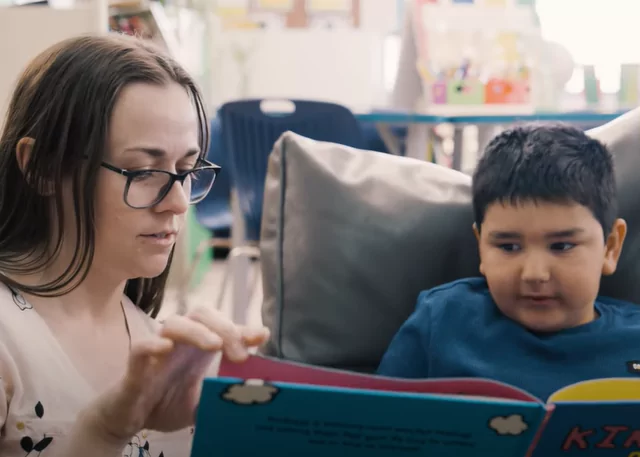
Teacher reading to a young Indigenous child holding a book with the title: "Good Night Stories for Rebel Girls."
Photo courtesy of the Indigo Love of Reading Foundation

Diversity in Books

Indigo works to ensure that Indigenous authors and stories are represented on its bookshelves. Doing so will safeguard support that both teachers and parents need to select diverse books for the young people in their lives. With this year’s grants, the foundation aims to help schools who have limited resources to do the same on their own shelves.

Off-reserve grant recipients are encouraged to use their funds to expand their libraries and include current texts by Indigenous authors that honour their cultures and histories.
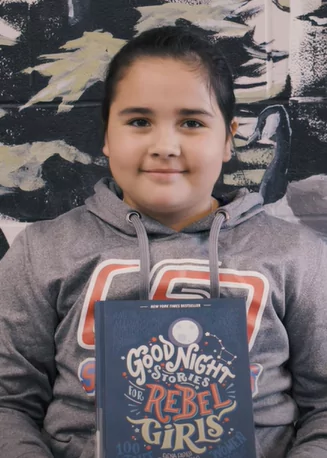
A young Indigenous child
Photo courtesy of the Indigo Love of Reading Foundation

“Accessing culturally relevant and diverse texts is top of mind for this year’s educators,” says Rose Lipton, Executive Director of ILOR. “The Indigo Love of Reading Foundation is proud to partner with this incredible group of schools and educational organizations to help them realize their literacy goals and get more kids excited about reading.” 

To date, the Indigo Love of Reading Foundation has reached over one million students, donating over $35 million in funding to schools from coast to coast. It includes those in economically disadvantaged communities with limited library budgets.

A full list of this year’s recipients can be found here.

Madison Downey is Indigo’s Communications Manager and a passionate reader. She also leads communications for Indigo’s Sustainability and Diversity and Inclusion initiatives.

Education News

Why Are Older K–12 Readers Struggling?

A new report, based on research from AERDF’s Reading Reimagined program, provides actionable takeaways for policymakers, district leaders, and educators.

Combating the Global Plastic Crisis Through Project-Based Learning

Classrooms around the world transition into centers of innovation as the Unplastify Challenge culminates in student-led strategies for plastic pollution prevention.

Engaging with Banned Books

As book bans increased across the nation, we wanted to counter the narrative that books are dangerous. We sought to collect research and essays on how books fostered understanding, built community, and healed emotional and physical trauma.

Launch of National Youth Apprenticeship Council to Influence Canada’s Skilled Trades Future

The new national Council will bring youth leadership directly into decisions shaping Canada’s skilled trades and apprenticeship system.

New Literacy Solution Helps Districts Engage Families in Improving Reading Outcomes

This structured literacy communication system connects district initiatives, family engagement, and attendance efforts.

Supporting Teachers with Tiny Pep Talks

Teaching is meaningful, important, and filled with joys both big and small. But also, let’s face it, there are days where you could use an extra pep talk (or twenty).
Madison Downey
Madison Downey
Madison Downey is Indigo’s Communications Manager and a passionate reader. She also leads communications for Indigo’s Sustainability and Diversity and Inclusion initiatives.

Advertisement

Advertisement

Read More

Why Are Older K–12 Readers Struggling?

A new report, based on research from AERDF’s Reading Reimagined program, provides actionable takeaways for policymakers, district leaders, and educators.

The Top Classroom Kits Every Special Education Teacher Should Know About

The best classroom kits for special education teachers are the ones that support a wide range of needs, from communication and motor skills to sensory processing.

How Schools and Families Can Help Fund Childhood Cancer Research

Childhood cancer impacts thousands of families in the U.S. each year, but it continues to be underfunded and depends on philanthropic support.

Why Equitable Ed Tech Requires Infrastructure, Literacy, and Values

Beneath the question of what technologies are good for our students lies the more urgent question of which students stand to benefit?

5 Things Teachers Should Know About Retirement, According to Financial Experts

Many teachers don’t have a detailed financial plan for retirement. But taking a few early steps can make a big difference in how prepared you feel later on.

The Well-Educated Child: An Interview with Deborah Kenny

At a time when teachers are under tremendous pressure to deliver test scores but are concerned about the lack of time for quality teaching, Dr. Deborah Kenny presents a refreshing vision for how schools can produce both.