Originally published in TEACH Magazine, Equal Love, Equal Rights: 25th Anniversary of the Modernization of Benefits and Obligations Act Special Issue, 2026
By Marilena Murgan
“What makes a family?” It’s a simple question with multiple answers, but for a long time, Canadian law had only one.
Nowadays, in every classroom across Canada, children draw pictures of their families—two moms, two dads, a dad and stepmom, a grandparent raising them alone, etc. Until 25 years ago, however, not all of these families were seen as equal in the eyes of the law.
A Landmark Shift
In 2000, the Canadian Parliament passed a legislation that reshaped the landscape of rights in Canada: the Modernization of Benefits and Obligations Act. While it didn’t grab headlines like the Charter of Rights and Freedoms or marriage equality later would, this Act was a critical step forward in recognizing the rights of same-sex couples under federal law.
On its 25th anniversary, we have a renewed opportunity and responsibility as educators to revisit its impact and explore how such legal shifts create more inclusive classrooms and communities.
As a French as a Second Language educator and workshop developer with over two decades of experience, I have witnessed first-hand how this inclusive legislation has shaped the educational landscape and broadened the lens through which students view identity, family, and justice.
My teaching was inspired by influential Canadians such as Justice Rosalie Abella, a long-time advocate for equality rights, and the Honourable Svend Robinson, who championed LGBTQIA2S+ visibility in politics. Their legacies, and the legislation they helped advance, served as a foundation for the culturally responsive learning environments we strive to create today.
This article emphasizes the importance of continuing that journey—demonstrating how education continues to be a powerful space for social change as we strive to foster learning environments that honour every student’s story, background, and identity.
Here I also reflect on what the Act has meant for students, families, and educators, and how it can be taught with authenticity and care to spark meaningful dialogue on equity, family diversity, and human rights.
Redefining Canadian Families
The Modernization of Benefits and Obligations Act was passed in 2000 under Prime Minister Jean Chrétien’s Liberal government. This Act included the most comprehensive amendments in Canadian legislative history related to the recognition of same-sex relationships.
These amendments spanned areas such as taxation, pension benefits, immigration sponsorship, and employment insurance, ensuring that same-sex common-law couples were granted the same legal obligations and benefits as their heterosexual counterparts. In doing so, the Act affirmed the legitimacy of queer families—without redefining marriage, which at the time remained restricted to heterosexual couples.
This legislative change was born of both legal and moral imperatives. It followed on the heels of court rulings that found government discrimination against same-sex couples to be unconstitutional. But it also reflected the evolving values of a nation increasingly embracing its diversity.
The Act was a step forward—but not the final word. It did not legalize same-sex marriage (that would come in 2005) and it left gaps, particularly in the areas of adoption and parental rights. Yet for many LGBTQIA2S+ Canadians, it was a validation of their love, relationships, and place in society. And for children raised by same-sex parents, it was the beginning of a journey toward being fully seen in the eyes of the law.
Inclusive Literature: Reflections of Real Families
One of the most powerful ways to help students connect emotionally and intellectually to the themes behind the Modernization of Benefits and Obligations Act is through storybooks that reflect the diversity of real families.
In my French classes, I’ve found that the following books have become pivotal tools in promoting empathy, discussion, and visibility:

Dans la nuit tu te dévoiles
By Isabelle Jameson
Illustrated by Sylvain Cabot

Julian est une sirène
By Jessica Love
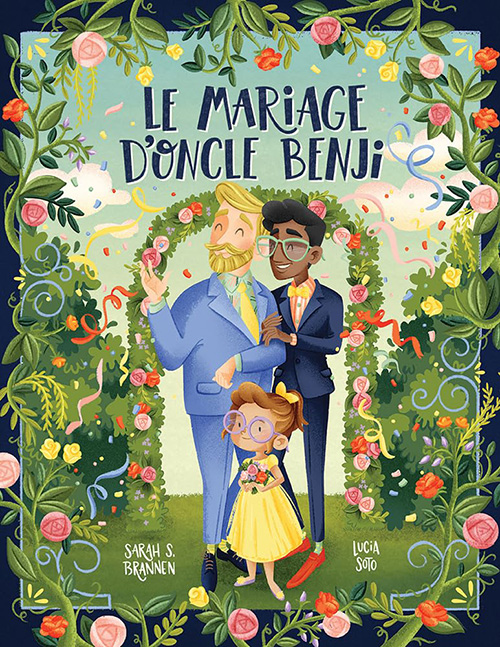
Le mariage d’oncle Benji
By Sarah S. Brannen
Illustrated by Lucia Soto

Mes deux mamans
By Bernadette Green
Illustrated by Anna Zobel
During class discussions, some students immediately connect with these texts. They smile when they see characters with two moms, or a child exploring their identity. They will nod their heads or say things like, “That’s like my family!” or “Finally, a book that’s real.” These moments are powerful—they validate lived experiences that often go unseen and open further discussions about inclusivity.
Unfortunately, not all reactions are positive. Some students shift uncomfortably, frown, or say things like, “That’s weird!” or “Why is this book in our class?” Others challenge the stories right away, questioning why such themes are even being discussed in school.
These responses, while difficult, are equally powerful. They open up critical opportunities for dialogue, for reflection, and for unlearning bias. They reveal the deeply rooted norms some students bring with them, and remind us why representation and intentional discussion are so necessary.
Books like these serve as mirrors and windows—mirrors for students who finally see themselves represented, and windows for others to understand different experiences. They have led to deeper conversations about respect, inclusion, and the legal and cultural progress that made such representations possible.
Teaching the Act: An Entry Point for Inclusive Education
Twenty-five years later, the Modernization of Benefits and Obligations Act still resonates in classrooms. As educators, especially in language and social studies classrooms, we often find ourselves unpacking concepts of identity, belonging, and citizenship. Teaching the story of the Act offers a natural entry point into these themes.
We can approach these conversations by integrating literature and inquiry. I introduce questions like, “What makes a family?” or “Who decides which families are recognized by the law?” Then we discuss books which challenge stereotypes and promote open-mindedness.
Using authentic texts, students explore how language reflects cultural values, and how inclusive vocabulary—like deux mamans, deux papas, or mon parent non-binaire—can be used meaningfully and respectfully.
Here are some examples of classroom resources:
- Primary/Junior: “Lesson Plans to Welcome All Families in Your School Community”
- Junior/Intermediate: “Toilets, bowties, gender and me”
- Intermediate/Senior: “2SLGBTQ+ Mostly Canadian History Jeopardy”
- French: “Créer des milieux authentiques”
- Two Spirit: First Stories – Two Spirited
First-Person Connections: The Human Face of Policy
One of the most powerful ways to teach the significance of the Act is through storytelling. In my classroom, I’ve shared excerpts from interviews and testimonials by LGBTQIA2S+ Canadians who describe what legal recognition meant to them.
Pairing these stories with picture books such as And Tango Makes Three by Justin Richardson and Peter Parnell and Le garçon invisible by Trudy Ludwig helps younger students make sense of individual experiences through relatable characters and scenarios that foster empathy, inclusion, and a deeper understanding of diverse family structures and social dynamics.
These stories bring policy to life. They also invite students to consider how laws shape the daily realities of families across the country. Through guided inquiry and structured dialogue, students can then compare human rights across time and examine the ongoing struggle for equity in areas such as healthcare, education, and housing.
Pop culture has also played a significant role in shaping societal attitudes toward inclusion. Shows like RuPaul’s Drag Race have brought conversations about gender, identity, and expression into mainstream media around the world. What once lived on the margins of visibility is now center stage on television, prompting discussions about self-acceptance, diversity, and what it means to live authentically.
In classrooms, students often reference the show or its cultural impact, providing an unexpected but powerful bridge between policy, popular media, and personal identity. These cultural shifts complement legal reforms like the Modernization of Benefits and Obligations Act, reinforcing the message that inclusion is both a legal and cultural imperative.
RuPaul’s Drag Race ends some of its episodes with powerful segments where contestants reflect on a photo of their younger self, offering messages of love, courage, and acceptance. These moments transcend entertainment—they model vulnerability and self-affirmation in a way that deeply resonates with viewers of all ages.
The simple act of saying “You are worthy just as you are!” becomes a profound reminder that identity is something to be celebrated, not hidden. For educators, these messages offer a meaningful prompt to inspire classroom discussions about self-worth, resilience, and the importance of creating spaces where every student feels seen and valued.
Intersectionality in the Classroom
Teaching about the Modernization of Benefits and Obligations Act also invites deeper reflection on intersectionality. It is crucial to acknowledge that not all members of the LGBTQIA2S+ community benefited equally—or immediately—from this legislation. To this day, racialized individuals, Indigenous peoples, people with disabilities, and newcomers to Canada continue to face layered forms of discrimination that legal reforms alone cannot erase.
In class discussions, we explore these issues using books like Le secret d’Aimée by Nadine Brun-Cosme and Ewen Blain and Mon ami Jim by Kitty Crowther. Such texts help students analyze representation, power, and justice through an intersectional lens.
Students then work on projects connecting current equity issues to historical milestones, investigating questions such as: “Whose voices are heard in lawmaking?” and “How do laws reflect or exclude certain identities?”
Continuing the Work: Pedagogical Strategies
Here are a few ways educators can meaningfully integrate the Modernization of Benefits and Obligations Act into their practice:
- Comparative Analysis: Compare Canada’s legislation to that of other countries. Discuss the global movement for LGBTQIA2S+ rights and the role of Canadian diplomacy.
- Creative Projects: Invite students to write letters or journal entries from the perspective of a person whose life was changed by the Act.
- Debates and Role Plays: Have students assume the roles of lawmakers, activists, or families affected by the Act and debate its impact.
- Historical Timelines: Create a class timeline of LGBTQIA2S+ legal milestones in Canada, including the 1969 decriminalization of homosexuality and the 2000 Act.
- Literature Circles with Inclusive Books: Use a variety of texts to build vocabulary and foster conversations around inclusion. Some good options include:
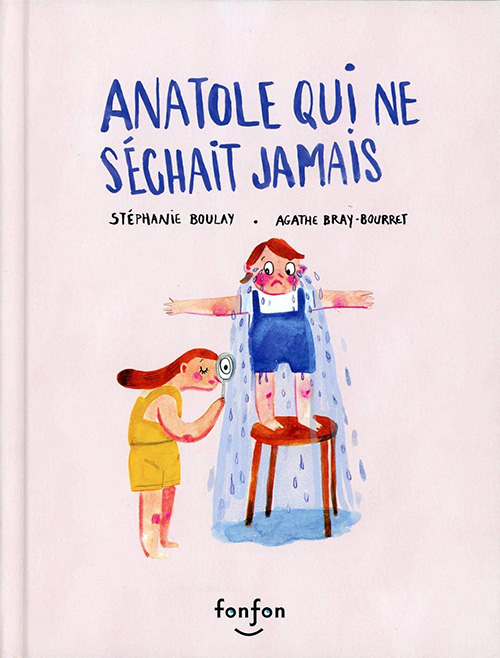
Anatole qui ne séchait jamais
By Stéphanie Boulay
Illustrated by Agathe Bray-Bourret

Martin petit pingouin et ses deux mamans
By Léo Côme
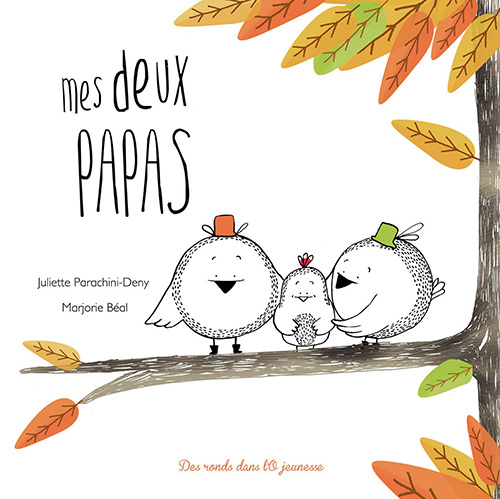
Mes deux papas
By Juliette Parachini-Deny and Marjorie Béal
Educating for Equity
The 25th anniversary of the Modernization of Benefits and Obligations Act is more than a commemoration. It is an opportunity to educate for equity, to foster understanding, and to shape a future where all students see their identities reflected and respected.
Books used in the classroom remind us that education is most powerful when it affirms the dignity of every child. Paired with history, inquiry, and compassion, they create a foundation for inclusion that reaches far beyond the classroom walls.
As educators, we are not only teaching laws—we are teaching values. Let us use this moment to reaffirm our commitment to a truly inclusive Canada.
Plus des Ressources en Francais
- Interligne: Appeler une ligne d’écoute sans frais ou un chat accessible.
- Jeunes identités créatives: Organisme communautaire pour supporter la famille d’un enfant trans. Aide aux parents et aux enfants.
- Tel-jeunes: Téléphone ou texto plus chat. Ce n’est pas spécifiquement pour la diversité de genre, mais pour tous les jeunes.
Additional English Books
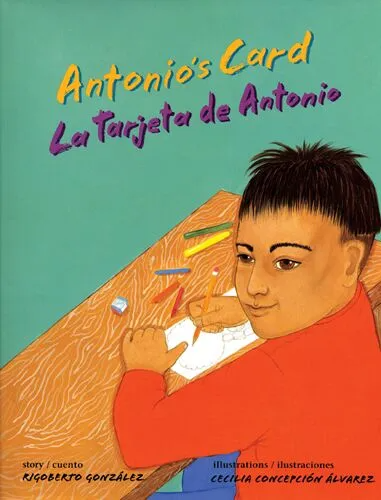
Antonio’s Card
By Rigoberto González
Illustrated by Cecilia Concepción Álvarez
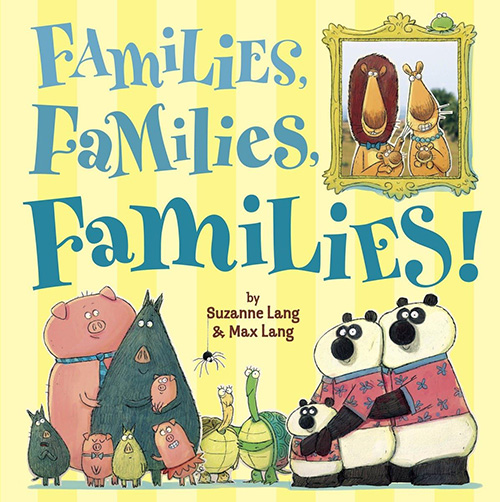
Families, Families, Families!
By Suzanne Lang
Illustrated by Max Lang
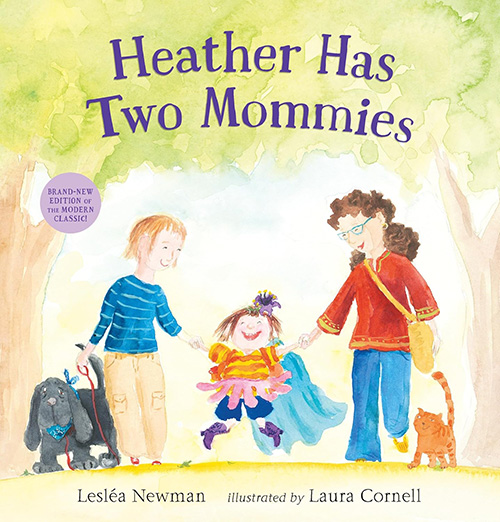
Heather Has Two Mommies
By Lesléa Newman
Illustrated by Laura Cornell
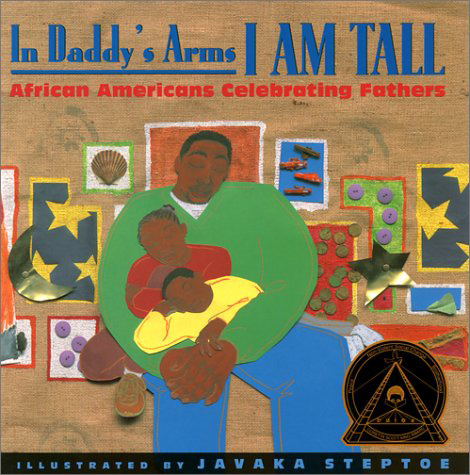
In Daddy’s Arms I Am Tall: African Americans Celebrating Fathers
By various poets
Illustrated by Javaka Steptoe
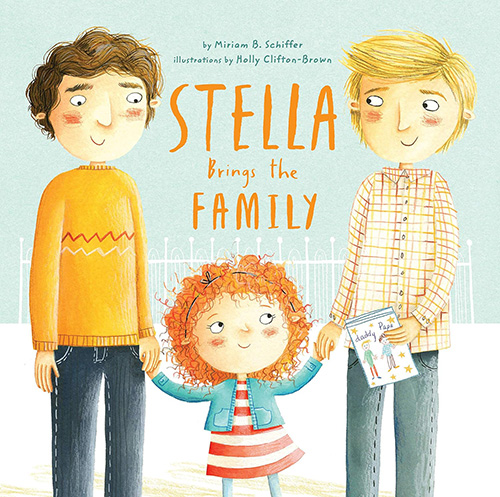
Stella Brings the Family
By Miriam B. Schiffer
Illustrated by Holly Clifton-Brown
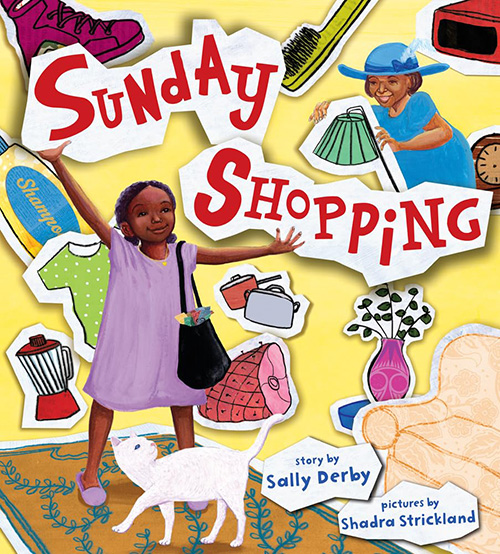
Sunday Shopping
By Sally Derby Miller
Illustrated by Shadra Strickland

Marilena Murgan is an educator with more than 20 years of experience in various subject areas across all grade levels. She holds a Bachelor of Science in Physics and Chemistry, a Bachelor of Education, and a Master of Education in Curriculum Studies.
Marilena’s main goal as an educator is to make school fun and to include all students in the journey of learning!