

Subscribe from $5.99
0,00 USD

No products in the cart.

How to be a Responsible Parent

Advertisement

Originally published in TEACH Magazine, September/October 2007 Issue

By Richard Worzel

One thing I hear from teachers on a regular basis is that a small, but growing percentage of parents are ignoring their responsibilities as parents, that they are leaving their kids to grow up as uncivilized savages instead of learning how to be responsible human beings. Such parents are shirking the jobs they (probably) volunteered for, and endangering the rest of us, harming themselves, but most of all harming their own children.

Their kids come to school as ill-mannered, foul-mouthed brats with an attitude that makes it hard for them to learn, and interferes with teachers’ ability to teach other kids as well. So how should you, in this day and age, be a responsible parent? What is the job description that goes with the position?
Subscribe to Keep Reading

🔑 You’re one step away from unlocking premium content.
Subscribe now for as low as $5.99 and get full access!

Subscribe

If you’re already subscribed, please Log In.

Avatar photo

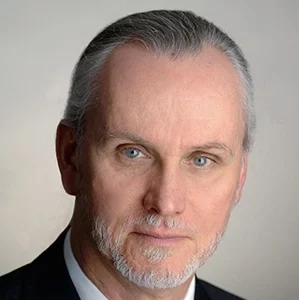
Richard Worzel is Canada’s leading futurist. Over the past 25 years, he has spoken to an estimated half a million business people around the world. He volunteers his time to speak to high school students for free as his schedule permits.
Education News

New Study Addressing Teacher Departures Probes Causes and Possible Solutions

Many have lamented the growing teacher shortages across our nation, and for good reason. It is estimated that there are currently more than 49,000 vacancies across the U.S.

AI in Education: Expert Says Guardrails Are the Difference Between Help and Harm

Veteran EdTech leader Peter Kraft says schools need clear rules and protections to make sure AI supports teachers and student growth, not shortcuts.

$1M Grant from the Allstate Foundation Expands NASSP Youth Service and Leadership Initiatives

The partnership empowers student councils and national honor societies to make a greater impact in their communities.

“The Wounded Line”: An Accessible and Inspiring Guide to Writing Poems About Trauma

I’ve seen how many of my students want to write about their traumas in poems. And I’ve also seen how difficult this process can be for them. That’s why I decided to write “The Wounded Line.”

Join Our Newsletter

Join now for a chance to win 1 of 2 $25 Indigo e-gift cards this month!

Richard Worzel
Richard Worzel
Richard Worzel is Canada’s leading futurist. Over the past 25 years, he has spoken to an estimated half a million business people around the world. He volunteers his time to speak to high school students for free as his schedule permits.

Advertisement

Read More

New Study Addressing Teacher Departures Probes Causes and Possible Solutions

Many have lamented the growing teacher shortages across our nation, and for good reason. It is estimated that there are currently more than 49,000 vacancies across the U.S.

10 Holiday Light Displays You Won’t Want to Miss

We’ve rounded up the best light displays to chase away those winter blues and help you get into the holiday spirit.

From Crafts to Curriculum: Why Playful Learning Isn’t Just for Kids

Play is widely acknowledged as essential to children’s learning; but does it have a role for the future teachers who are learning to guide those children as well?

AI in Education: Expert Says Guardrails Are the Difference Between Help and Harm

Veteran EdTech leader Peter Kraft says schools need clear rules and protections to make sure AI supports teachers and student growth, not shortcuts.

$1M Grant from the Allstate Foundation Expands NASSP Youth Service and Leadership Initiatives

The partnership empowers student councils and national honor societies to make a greater impact in their communities.

Scripted, Not Silenced: Finding Freedom Within the Frame

We don’t have to choose between structure and creativity. The best teaching lives in the in-between, where we follow a script, but we fill it with our stories, our students’ voices, and our classroom rhythms.