

Subscribe from $5.99
0,00 USD

No products in the cart.

Why Education Must Change

Advertisement

Originally published in TEACH Magazine, January/February 2010 issue

By Richard Worzel

In my past columns, I focused on how education will change. This time, I focus on why it must change.

The society in which we live is driven mainly by commercial interests. The daily bombardment of advertising and its pervasive yet subtle pressures to own something are so common that we hardly notice its influence. Society does not suffer because these pressures exist; after all, this type of pressure has largely been responsible for the richness and luxury of our lives. Yet, there is more to life than commercial offerings especially because they are shallow and lack deeper purpose. Moreover, commerce and society tends to emphasize novelty and while there is nothing wrong with new things per se, there is much more to life than just the novel.

There are few people however, who would delve deeper than today’s satisfactions and that is where education enters the picture. Education provides context to history, art, depth of understanding, and perspective that some people would not otherwise experience. This is part of the traditional role education fulfills in teaching about culture and the transmission of our society’s values.
Subscribe to Keep Reading

🔑 You’re one step away from unlocking premium content.
Subscribe now for as low as $5.99 and get full access!

Subscribe

If you’re already subscribed, please Log In.

Avatar photo

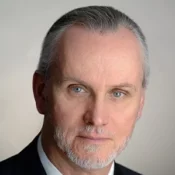
Richard Worzel is Canada’s leading futurist. Over the past 25 years, he has spoken to an estimated half a million business people around the world. He volunteers his time to speak to high school students for free as his schedule permits.
Education News

Google’s AI Search Poses Unacceptable Risk to Kids

The AI Overview and AI Mode built into Google Search are not safe enough to be kids’ default source of answers and, concerningly, the features can't be turned off.

29 Pieces Launches Global “Planet Earth LOVE Project” Arts Movement and Competition

Uniting schools, non-profits, and global artists to explore environmental stewardship through 2,500 artworks in a shared Instagram gallery of love for our planet and each other.

Leadership Program Helps Community College Students Earn Degrees from Top Colleges and Universities

The Kaplan Educational Foundation celebrates the latest college decisions from its 19th cohort of scholars in its Kaplan Leadership Program.

Can We Predict Third-Grade Proficiency in Kindergarten?

New study examines early indicators that can help educators better support students before achievement disparities become harder to address.

Dancing Through Culture: Using Children’s Literature to Preserve Dominican and Caribbean Identity

Luz Maria Mack’s growing collection of children’s books highlights the power of storytelling to preserve cultural traditions, strengthen identity, and create meaningful opportunities for social-emotional learning.

New School Safety Trends Report Shows How Schools Are Improving Outcomes in Emergencies

CENTEGIX’s 2026 School Safety Trends Report reveals how technology is reducing uncertainty and providing clarity when seconds matter.
Richard Worzel
Richard Worzel
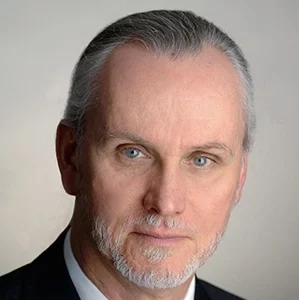
Richard Worzel is Canada’s leading futurist. Over the past 25 years, he has spoken to an estimated half a million business people around the world. He volunteers his time to speak to high school students for free as his schedule permits.

Advertisement

Advertisement

Read More

What Administrators Should Look for in Quality Playground Development for Schools

A well-planned playground enhances student development, improves your school’s appeal to prospective families, and supports educational objectives.

How Does ABA Therapy Compare with Other Autism Therapies for Supporting Students with Autism?

When supporting students with autism, there are many different types of autism therapies that can help children thrive in the classroom and beyond. Applied Behaviour Analysis (ABA) is one of the most well-known options.

Beyond “Just Say No”: How Teachers Can Have Honest Conversations About Alcohol with Teens

For decades, alcohol prevention efforts have often centred on a simple message: “Just say no.” While well-intentioned, today’s educators know that one-size-fits-all approaches rarely resonate with teenagers.

Google’s AI Search Poses Unacceptable Risk to Kids

The AI Overview and AI Mode built into Google Search are not safe enough to be kids’ default source of answers and, concerningly, the features can't be turned off.

29 Pieces Launches Global “Planet Earth LOVE Project” Arts Movement and Competition

Uniting schools, non-profits, and global artists to explore environmental stewardship through 2,500 artworks in a shared Instagram gallery of love for our planet and each other.

Schools for Living Systems: The Impact of Permacognitive Education

What would school look like if we designed it around what we now know about adolescent brain development? WILDE School began with that question.