

Subscribe from $5.99
0,00 USD

No products in the cart.

Empowering Minds: A Fresh Approach to Mental Health in Schools

Advertisement

By Karen G. Foley

Less than half of public schools, 48 percent, report they can meet students’ mental health needs, according to the National Center for Education Statistics. Today’s kids are dealing with a variety of challenges that can impact their mental well-being. These include social media comparisons, online bullying, the lasting effects of the pandemic, exposure to substances, financial difficulties, and possible abuse or family issues at home.

Battling the Unknown

Of all surveyed students, 42 percent report feeling persistently sad or hopeless and nearly one-third experience poor mental health. It’s not just kids living in underserved neighbourhoods.
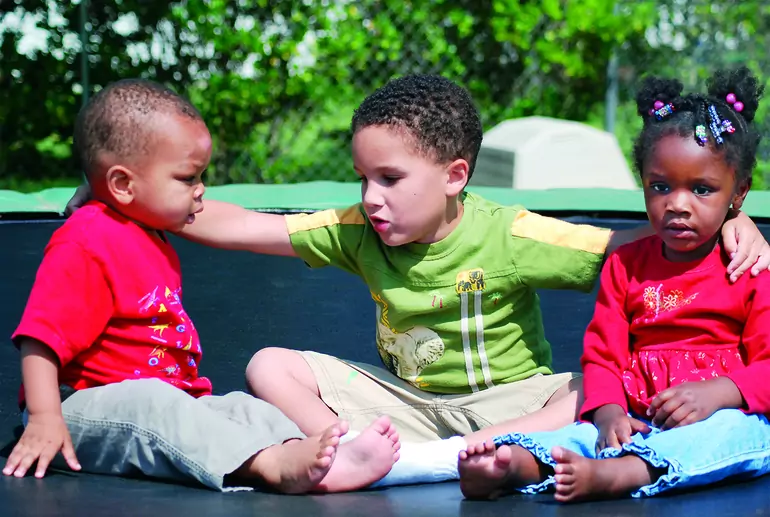
Three young children of varying ethnicities sitting on the ground looking unhappy. One child has his arms around the other two.
Photo credit: JPA

Our kids need mental health support to learn, grow, and thrive. However, with schools being understaffed and overburdened, who steps in to make sure they get the care they need?

The Juvenile Protective Association (JPA) started asking this question a long time ago. For over a century, we have been working diligently to provide much-needed social-emotional and mental health care and support for kids, their parents, and teachers.

We partner with numerous schools in Chicago, providing support to children, educators, and parents. Our model is cost-effective, costing about half of what a school would pay if it hired its own counsellor, and it comes without the drawbacks. We handle the hiring, training, support, and evaluation of our therapists so that schools can focus on academics. We work in collaboration with our schools so they are in the know at all times.
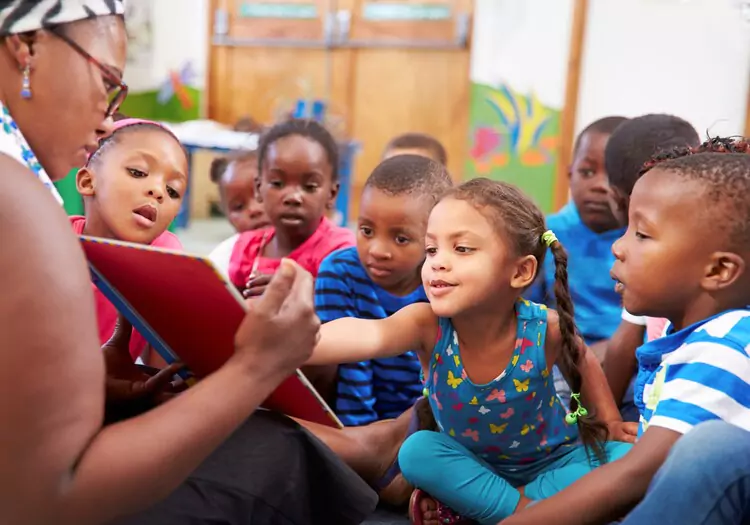
A group of young Black children watching as an adult reads to them.
Photo credit: JPA

The impact has been significant. In schools where our programs are in place, we’ve seen 78 percent improvement across social, emotional, and mental health markers in students.

Support for All

The mental health care crisis doesn’t just affect students. It’s also taking a toll on their teachers. Sixty percent of K–12 educators cite it as their top safety concern. That’s why, JPA launched Connect 2 Kids (C2K) in 2020. C2K provides teachers with the tools they need to better understand their interactions with students. It leads to improved student behaviour and reduced teacher stress.

Teachers in our program meet with a counsellor (a trained mental health specialist) once a week to talk about classroom challenges, cultivate empathy for themselves and the students in their care, and develop support plans. Our consultants also conduct classroom observations, noting important teacher strengths as well as possible areas for attention. In collaboration with the teachers, we identify specific topics for classroom group programming aimed at meeting the social and emotional needs of students.
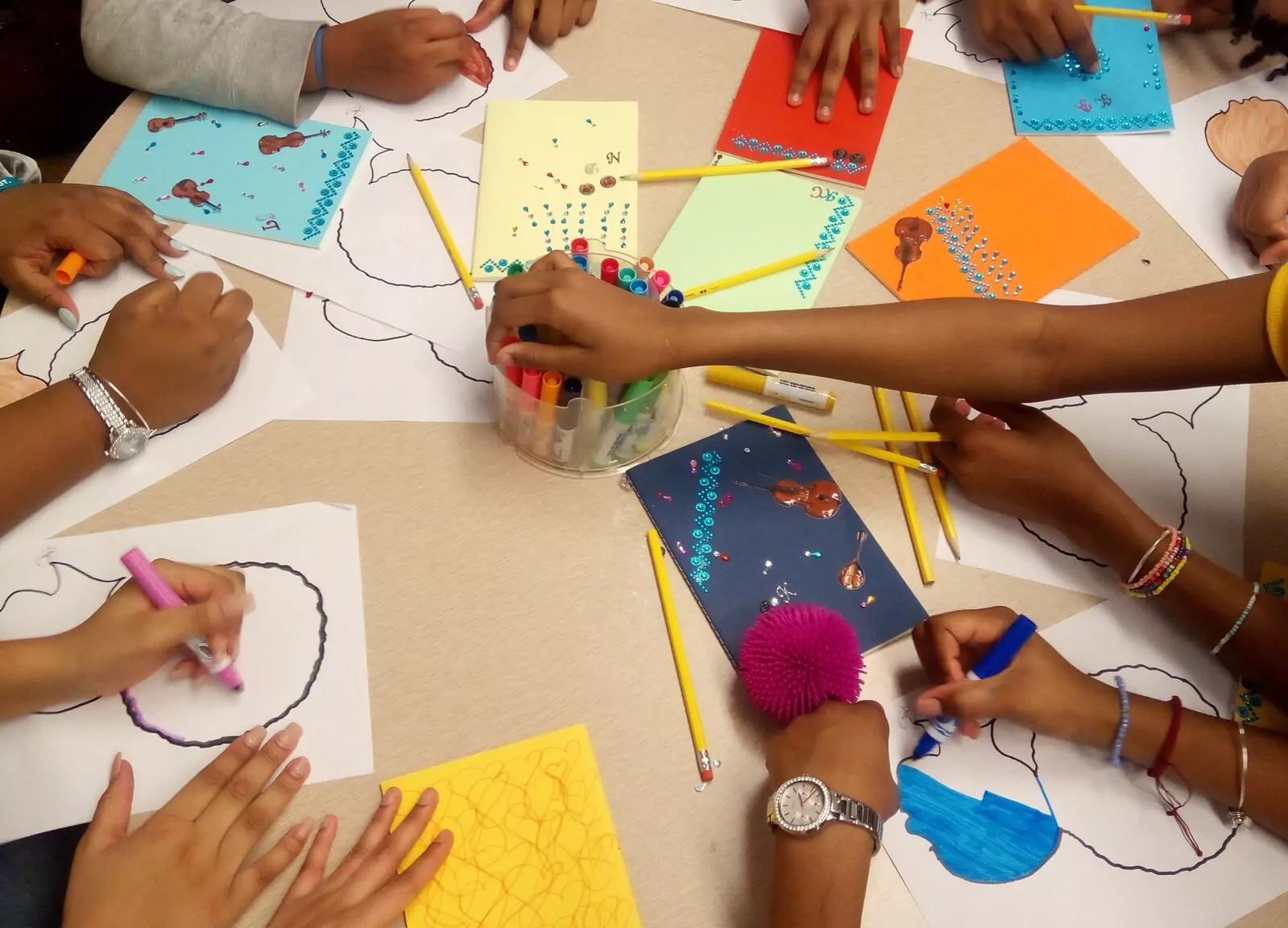
A group of Black students colouring at a big desk.
Photo credit: JPA

Ambitions for Change

We believe that every child is a strong, vibrant, and talented human inside. In the face of a rapidly evolving school mental health crisis, it takes creativity, tenacity, and teamwork to make sure Chicago’s kids have the support they need.

When kids and adults alike have the tools they need to create healthy, supported relationships, they learn more, achieve more, and have brighter futures. We believe every child in Chicago deserves nothing less.

Karen G. Foley, President and CEO of the Juvenile Protective Association, also previously served as President and CEO of The Hope Institute for Children and Families, serving children with autism and developmental delays across Illinois.
Education News

Natural History Institute and Prescott College Partner to Offer Naturalist Certification Program

The unique Mogollon Highlands Naturalist Certification program is designed to cultivate deep connections to nature, place, and community through the practice of natural history.

The Data Is Clear: Students Want Job Outcomes and U.K. Universities Are Listening

Is going to university still worth it? That’s a question I hear more and more often these days. The answer increasingly depends on what a student wants from that degree.

The Urgent Case for Reimagining Support, Belonging, and Hope in Schools

In his new book, Dr. Ross Greene explains why so many kids are struggling, why traditional discipline makes things worse, and how schools can transform their approach to become proactive, collaborative, and helpful.

Using Music to Teach Democracy

Targeted at students aged 6–14, project MELODY is building a cross-curricular methodology that integrates music with citizenship education.

Free eBook Offers Roadmap to Human-Centered Communication in the Age of AI

The free resource offers districts a roadmap for building strong family engagement during a period of rapid automation in schools.

Behind Canada’s Declining Math Performance and the Evidence-Based Fix

For over a decade, math scores on international tests have declined across all Canadian provinces. Here’s what schools can do to reverse this downward trend.
Karen G. Foley
Karen G. Foley
Karen G. Foley, President and CEO of the Juvenile Protective Association, also previously served as President and CEO of The Hope Institute for Children and Families, serving children with autism and developmental delays across Illinois.

Advertisement

Read More

Natural History Institute and Prescott College Partner to Offer Naturalist Certification Program

The unique Mogollon Highlands Naturalist Certification program is designed to cultivate deep connections to nature, place, and community through the practice of natural history.

When Plagiarism Meets Policy: How an Academic Dishonesty Case Taught Me an Important Lesson

During my time as a program coordinator, I learned a lesson that has stuck with me ever since: school values don’t collapse in one dramatic moment, but rather erode one decision at a time.

The Data Is Clear: Students Want Job Outcomes and U.K. Universities Are Listening

Is going to university still worth it? That’s a question I hear more and more often these days. The answer increasingly depends on what a student wants from that degree.

The Urgent Case for Reimagining Support, Belonging, and Hope in Schools

In his new book, Dr. Ross Greene explains why so many kids are struggling, why traditional discipline makes things worse, and how schools can transform their approach to become proactive, collaborative, and helpful.

Using Music to Teach Democracy

Targeted at students aged 6–14, project MELODY is building a cross-curricular methodology that integrates music with citizenship education.

An Interdependent Approach: Building and Centring Positive Disability Identities in the Classroom

As educators, we aim to create meaningful, exciting, and supportive futures for all of our students. That’s why we must build learning environments where positive disability identities grow.