The TurfMutt Foundation’s STEM-oriented lesson plans are teaching science in schoolyards and backyards. The foundation has advocated for the care and use of green spaces around us for over 15 years, and they say green schoolyards earn an A+.
Green schoolyards are park-like—characterized by trees, grassy areas, flowering plants for pollinator support, other spaces for outdoor learning, and areas showcasing living plants and vegetation. Green schoolyards benefit the children who use them by improving mental health, physical health, and learning outcomes. But they are good for the environment as well because they capture rainwater, slow runoff, and clean the air that students breathe. They also help connect fragmented ecosystems within a community, providing habitat and food for local wildlife.
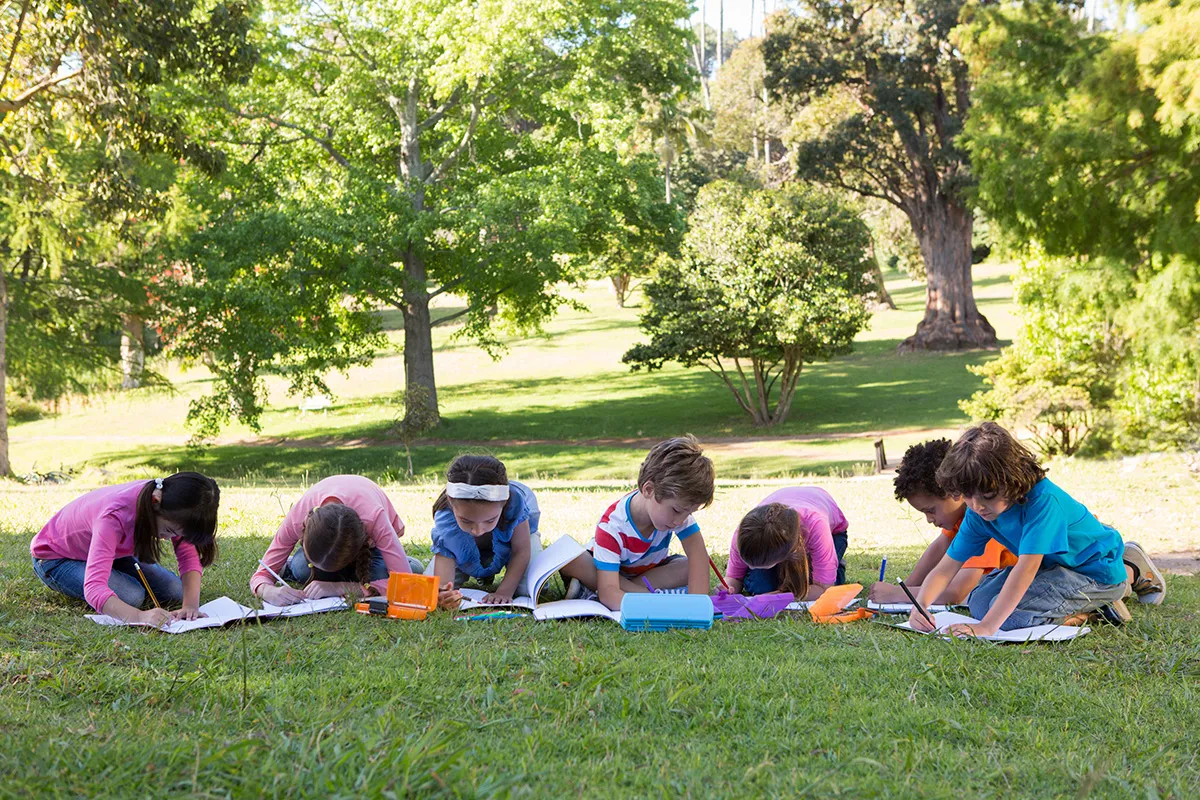
The TurfMutt Foundation is offering free lesson plans aligned to science, technology, engineering, and math (STEM) standards for Grades K–8. The program has reached more than 70 million kids, teachers, and families with its youth education materials.
According to the TurfMutt Foundation, here are five reasons why green schoolyards are at the head of the class:
1. Improved Learning Outcomes
Taking lessons outside can help students be more attentive to learning, and kids gain attention and working memory benefits when they are exposed to greenery. Children who have access to living landscapes are likely to perform better academically in science, math and language arts.
2. Better Mental Health
A systematic review of six studies shows that even passive nature engagement (greenness around schools, for example) has the potential to positively impact children’s attention capacity, mood, and memory. Additionally, views of green landscapes have been proven to help high schoolers recover from attention fatigue and stress.

3. Better “Soft Skills”
Green schoolyards or schools with access to green spaces promote outdoor learning, which can help children develop important competencies for the future, including social and critical thinking skills.
4. Reduced Behavior Issues
Children who attend schools in greener areas are at lower risk of having attention-deficit/hyperactivity disorder symptoms. Additionally, kindergarteners—especially girls—who spent more time in green schoolyards and in the outdoors in general showed higher gains in self-regulation than those who did not have as much exposure.
5. Community Benefits
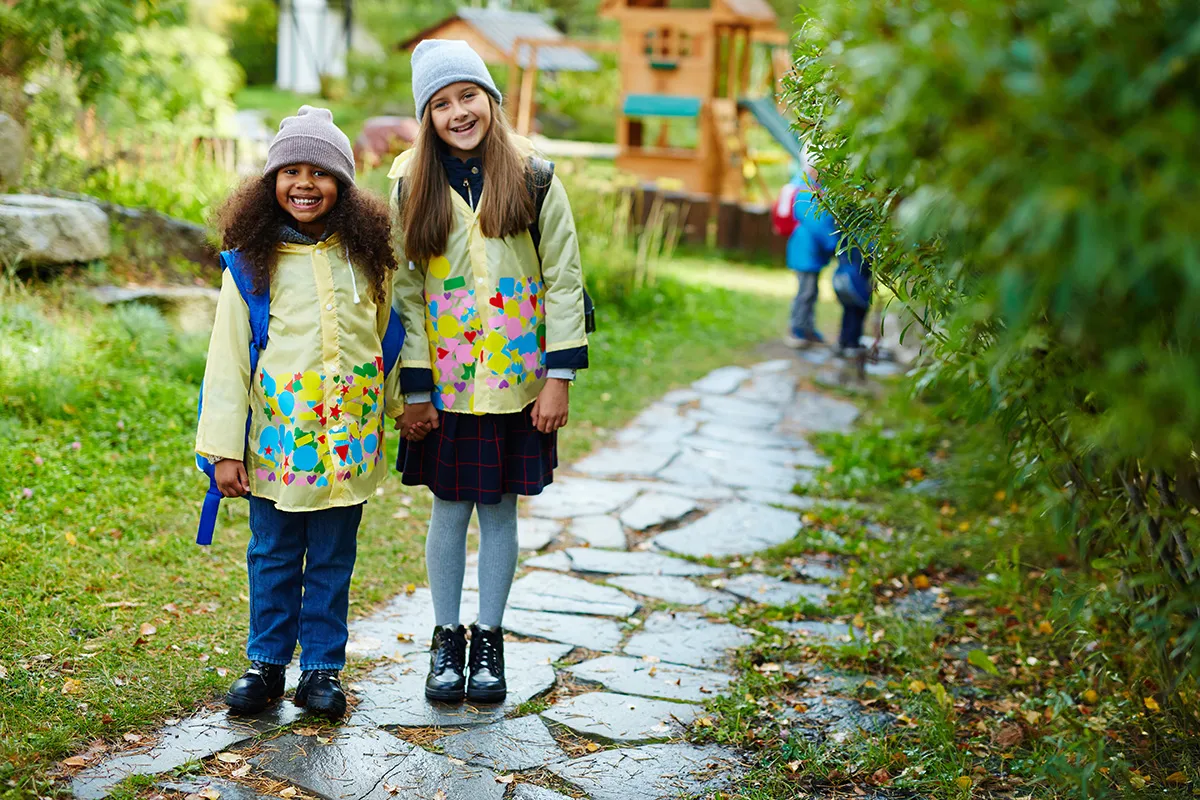
Incorporating factors such as school attendance and academic scores, carbon sequestration and rainwater retention, and overall community health and public safety, a recent report estimated that communities can reap a more than $3 return for every $1 invested in green schoolyards.
“Green spaces are healthier places for all of us, long known to relieve stress and anxiety, and we encourage educators and school administrators to lean into the value of these living landscapes,” says Kris Kiser, President & CEO of The TurfMutt Foundation. “We have a number of resources to help them teach students to become environmental superheroes like TurfMutt, using their own schoolyards as outdoor learning labs.”

TEACH is the largest national education publication in Canada. We support good teachers and teaching and believe in innovation in education.