

Subscribe from $5.99
0,00 USD

No products in the cart.

Teacher’s Pet: May/June 2025

Advertisement

Originally published in TEACH Magazine, May/June 2025 Issue

Name: Angel
Age: 11 years
Breed: Chug
Characteristics: spunky, curious, loving
Location: Texas, USA
Parent: Trina T.
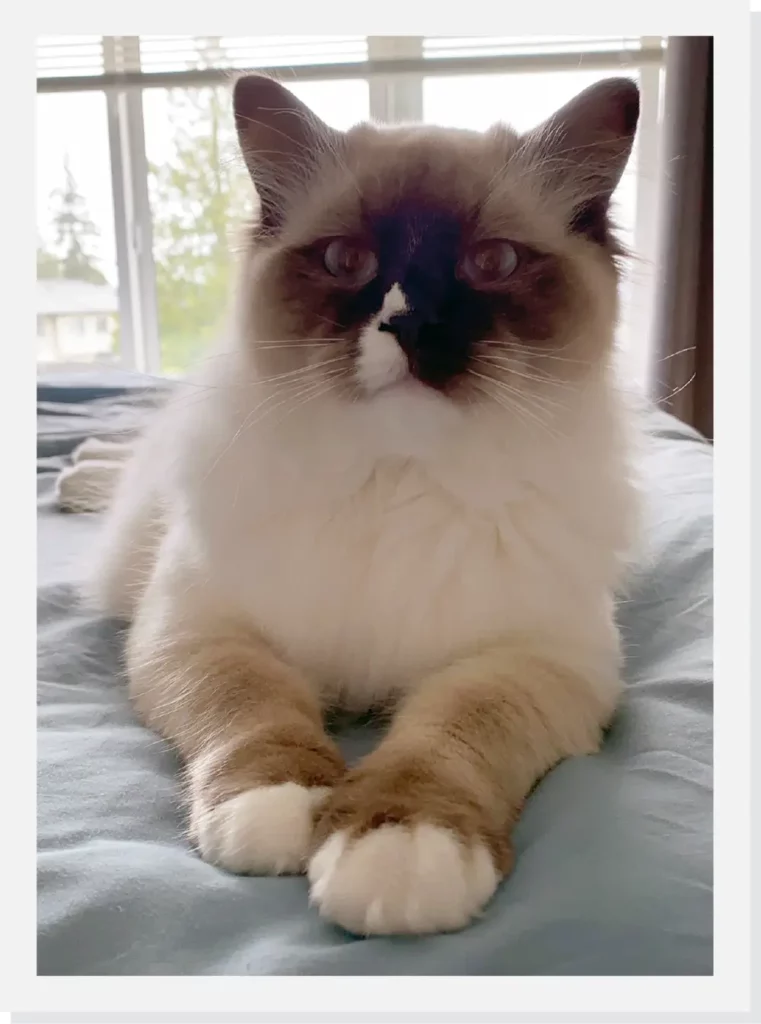
Name: Skye
Age: 3 years
Breed: Ragdoll
Characteristics: energetic, vocal, a hunter
Location: British Columbia, Canada
Parent: Jaimie L.
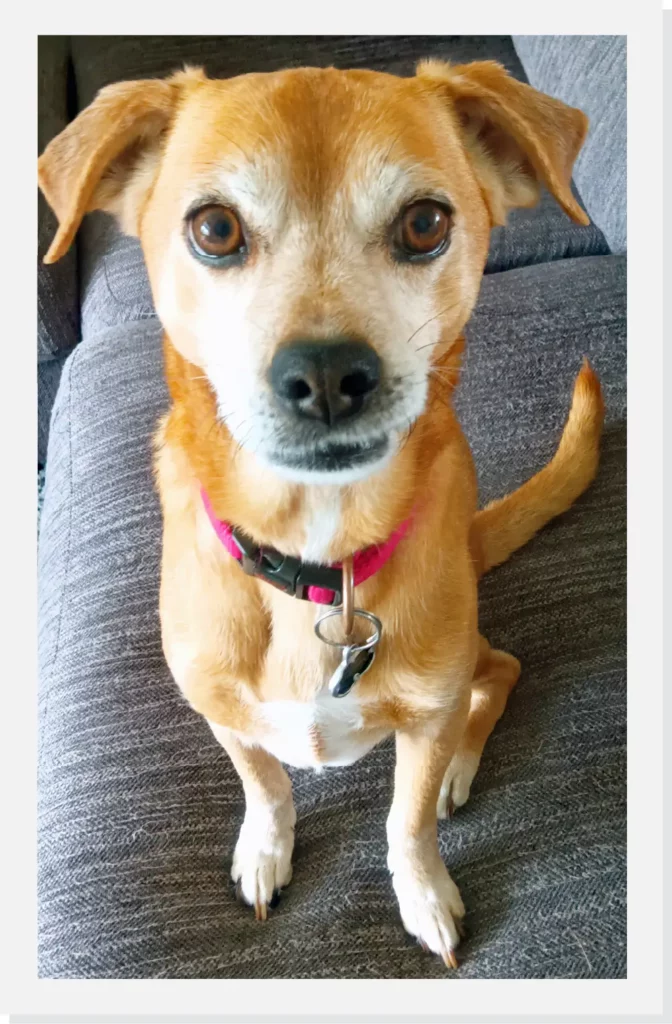
Name: Boots
Age: 11 years
Breed: Chihuahua Mix
Characteristics: loyal, stubborn, cuddly
Location: British Columbia, Canada
Parent: Lea K.

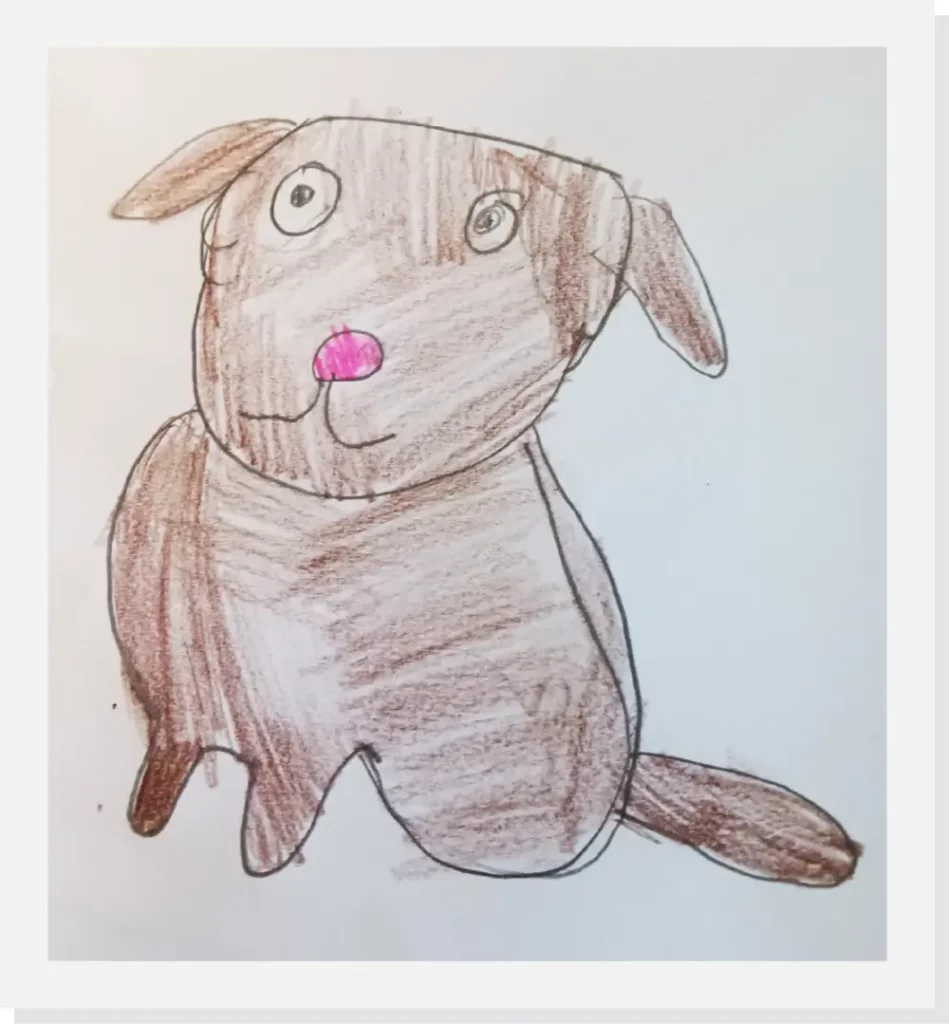
Boots is a regular topic of conversation in Lea’s Grade 2 classroom. He is often used as an example when teaching students how to write sentences. The kids love to ask about things that Boots and Lea do together, and even draw pictures of him!

If you’d like your pet to be featured, check out the submission guidelines.
TEACH is the largest national education publication in Canada. We support good teachers and teaching and believe in innovation in education.
Education News

Natural History Institute and Prescott College Partner to Offer Naturalist Certification Program

The unique Mogollon Highlands Naturalist Certification program is designed to cultivate deep connections to nature, place, and community through the practice of natural history.

The Data Is Clear: Students Want Job Outcomes and U.K. Universities Are Listening

Is going to university still worth it? That’s a question I hear more and more often these days. The answer increasingly depends on what a student wants from that degree.

The Urgent Case for Reimagining Support, Belonging, and Hope in Schools

In his new book, Dr. Ross Greene explains why so many kids are struggling, why traditional discipline makes things worse, and how schools can transform their approach to become proactive, collaborative, and helpful.

Using Music to Teach Democracy

Targeted at students aged 6–14, project MELODY is building a cross-curricular methodology that integrates music with citizenship education.

Free eBook Offers Roadmap to Human-Centered Communication in the Age of AI

The free resource offers districts a roadmap for building strong family engagement during a period of rapid automation in schools.

Behind Canada’s Declining Math Performance and the Evidence-Based Fix

For over a decade, math scores on international tests have declined across all Canadian provinces. Here’s what schools can do to reverse this downward trend.
TEACH Mag
TEACH Mag
TEACH is the largest national education publication in Canada. We support good teachers and teaching and believe in innovation in education.

Advertisement

Read More

Natural History Institute and Prescott College Partner to Offer Naturalist Certification Program

The unique Mogollon Highlands Naturalist Certification program is designed to cultivate deep connections to nature, place, and community through the practice of natural history.

When Plagiarism Meets Policy: How an Academic Dishonesty Case Taught Me an Important Lesson

During my time as a program coordinator, I learned a lesson that has stuck with me ever since: school values don’t collapse in one dramatic moment, but rather erode one decision at a time.

The Data Is Clear: Students Want Job Outcomes and U.K. Universities Are Listening

Is going to university still worth it? That’s a question I hear more and more often these days. The answer increasingly depends on what a student wants from that degree.

The Urgent Case for Reimagining Support, Belonging, and Hope in Schools

In his new book, Dr. Ross Greene explains why so many kids are struggling, why traditional discipline makes things worse, and how schools can transform their approach to become proactive, collaborative, and helpful.

Using Music to Teach Democracy

Targeted at students aged 6–14, project MELODY is building a cross-curricular methodology that integrates music with citizenship education.

An Interdependent Approach: Building and Centring Positive Disability Identities in the Classroom

As educators, we aim to create meaningful, exciting, and supportive futures for all of our students. That’s why we must build learning environments where positive disability identities grow.