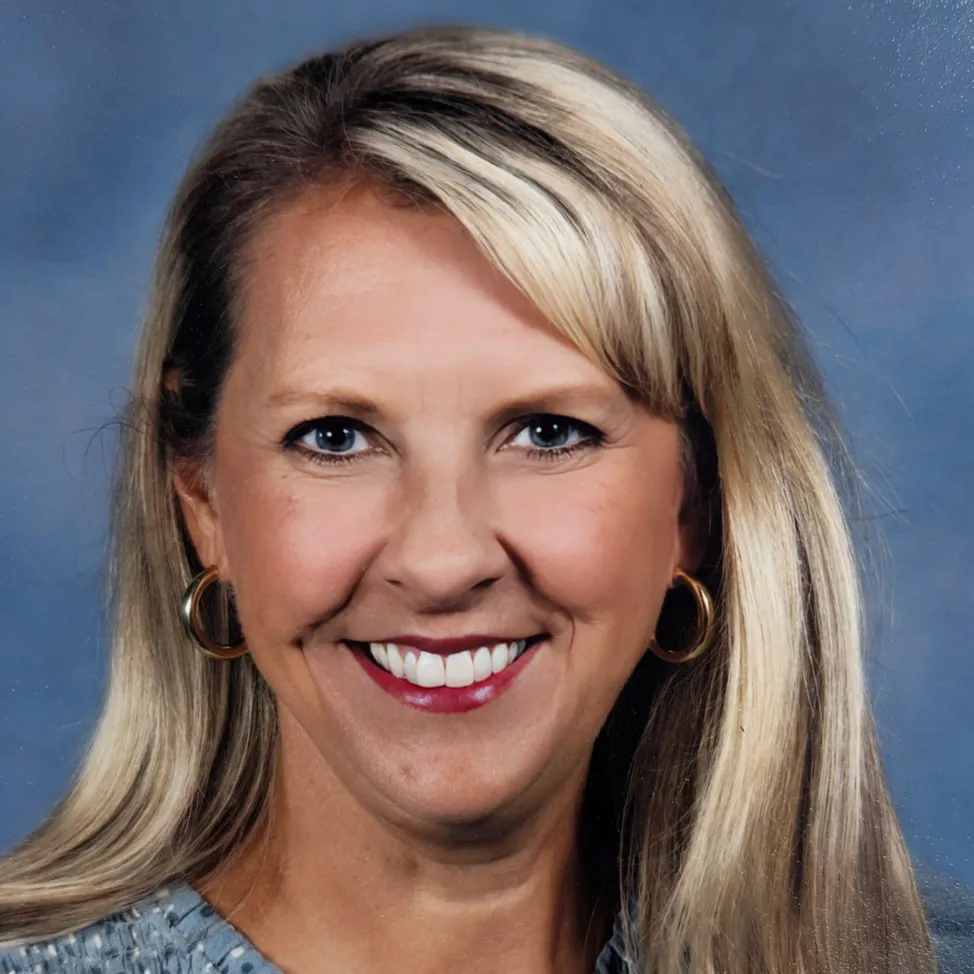
By Jill Klausing
School safety planning must account for all emergencies—not just the extreme. Everyday medical emergencies occur far more often. While most people think of lockdowns when they hear “school safety,” it’s also critical to plan for situations like seizures or cardiac arrest. In these scenarios, the right protocols and technology can save lives.
I’ve seen this firsthand in the School District of Lee County, where I’ve taught for 25 years. One incident stands out.
A few years ago, we were reciting the Pledge and observing a moment of silence when a student suddenly collapsed. I rushed over and began checking for signs of medical emergencies we are trained to look for. At first, I thought it was a seizure, but her symptoms signaled a more serious emergency.
Schools must prepare for medical incidents like this. Approximately 1 in 25 high schools have a sudden cardiac arrest incident each year. Fortunately, our district trained us on a tool for exactly this situation: CENTEGIX wearable panic buttons—a badge all staff wear that can immediately alert for help and provide your precise location.
I pushed it three times and within moments, our coaches, nurses, and SRO arrived. They quickly brought over the AED and knew exactly what to do. They performed CPR and used the AED until EMS arrived.
It was a scary situation, but thanks to the immediate response, the student survived. If this had happened somewhere without AEDs and rapid response tools, the outcome could have been very different. Compared to people who don’t receive CPR, those who receive CPR within two minutes are 81% more likely to survive.
In this incident, we had wearable panic buttons, CPR-trained staff, AEDs, and a highly coordinated safety team. This should be the case in every school.
How Can We Strengthen Medical Emergency Preparedness?
Here are four considerations to keep in mind:
- Train for Medical Emergencies: Train staff to recognize and respond to medical crises such as sudden cardiac arrest, seizures, or allergic reactions. Cover who is CPR-certified, how to summon help, and medical equipment locations.
- Encourage CPR Certification: Offer CPR training for teachers and staff and encourage participation. In an emergency, anyone may be the first responder—the more people who can help, the better the outcome.
- Provide Wearable Panic Buttons: Wearable panic buttons for teachers and staff can quickly send help to the exact location of the incident by mapping the alert location. Pressing my badge immediately brought trained staff to my classroom. The button was simple to use and gave me a sense of calm. As a teacher, anything can come at you throughout the day, but with a wearable panic button, it feels like you have backup.
- Map AED Locations: In our district, all medical devices are mapped, giving responders the exact location of the closest medical equipment.
Today, because of our response, the student who collapsed is thriving. Schools can’t predict medical emergencies, but they can prepare to respond. Training staff, teaching CPR, providing wearable panic buttons, and having AEDs available can save lives.

Jill Klausing is an educator in the School District of Lee County in Fort Myers, Florida. She has been a grade 12 reading teacher at Dunbar High School for 25 years. She received the 2024 Lee County Golden Apple, which recognizes teachers for making an extraordinary contribution to their students.