 Suffrage: Canadian Women and the Vote (Print Edition)
  Road to Confederation (Print Edition)
 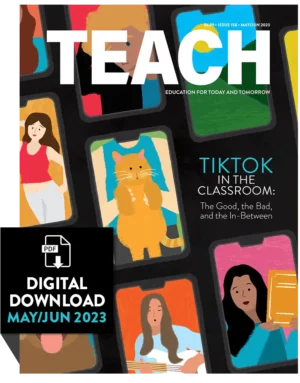 May/Jun 2023 Issue
  Monthly Digital Subscription
  Sports, Teamwork, and Belonging Lesson Plan
  Hockey and Canadian Identity Lesson Plan
 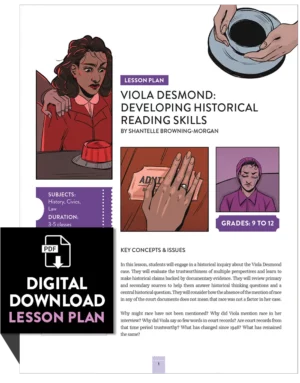 The Viola Desmond Case: Evidence, Bias, and the Court Record
  Bonanza Creek: Who Discovered Gold First?
  Golden Boys: The Winnipeg Falcons of 1920 (Print Edition)
 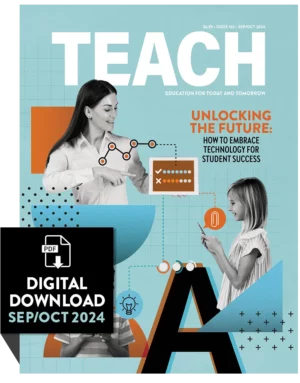 Sep/Oct 2024 Issue
 The Advanced Education Research and Development Fund (AERDF), a national non-profit focused on addressing pressing education challenges, has released a new report that offers research-backed recommendations for supporting older readers. The new report, titled, “The False Divide: Why ‘Learn to Read, Read to Learn’ Fails Older Readers—and How to Fix It,” was developed by the AERDF R&D program Reading Reimagined, and draws on five years of research into this issue.
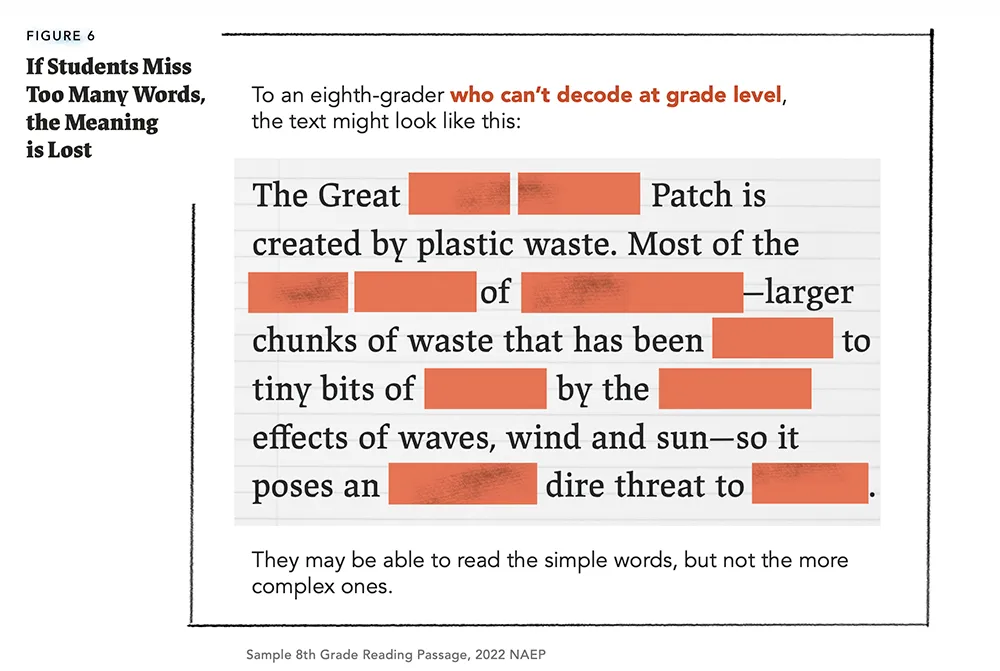
Post-pandemic K–12 students continue to struggle with foundational reading skills past grade 3. Today, only 30 percent of eighth graders nationwide can read proficiently, according to NAEP results. Although existing research gives insight into what students need to learn to be proficient readers, it has so far stopped short of showing exactly which skills older students are missing and how to support them. Reading Reimagined undertook five years of research and development to better understand what’s holding readers back, especially in the later grades—and how to help.
“It’s time to scrap ‘learn to read, then read to learn,’” said Rebecca Kockler, Executive Director of AERDF’s Reading Reimagined Program. “Literacy is not a switch that flips from decoding words in third grade to independently comprehending text in fourth. We don’t explicitly teach older students the advanced reading skills that they need. Fixing this requires us to shift our collective mindset about how students learn to read.”
AERDF’s Reading Reimagined program invested $40 million over five years to understand the keys to unlocking reading success. The research and development efforts took the team into thousands of classrooms across the country. The program worked with 13 research partners, including universities and assessment providers, surveyed 1,500 teachers in grades 3 to 8, analyzed 85,000 student reading assessments, partnered with 85 school districts, and engaged 30,000 students in piloting interventions.
This new report reflects the program’s findings, offering specific, actionable recommendations for policymakers, district leaders, and educators for getting older readers back on track. Some highlights include:
- State policy must advance K–8 foundational literacy standards and require developmentally appropriate assessments. State education agencies should revise academic standards to include advanced foundational literacy skills in grades 3–8. To identify where students are struggling and how to support them, states should also require the adoption of high-quality, developmentally appropriate literacy screeners for all students in K–8 that assess both early and advanced skills.
- Districts should adopt technology that can scale advanced literacy instruction. New technology-enabled tools can deliver individualized instruction on advanced foundational skills in ways previous tools did not, and free teachers up to do what they do best: read and discuss books with students and instill a love for reading.
- Teachers can implement simple instructional routines that support advanced foundational reading skills. While waiting for longer-term changes to policy and technology, teachers can adopt simple instructional strategies that support students’ advanced foundational skill-building, and (if applicable) make use of existing modules in their schools’ high-quality instructional materials that cover advanced foundational literacy skills.
“Reading Reimagined showed that when R&D maintains a disciplined focus on deeply understanding the problem before developing the solution, it can be the difference between research that sits on shelves and research that changes classrooms,” said Auditi Chakravarty, AERDF CEO. “This work will help transform how we understand and address reading struggles in American schools.”
To ensure the research translates into practical changes that improve outcomes for students, AERDF is sharing the final impact report from Reading Reimagined to help educators, policymakers, and families work to eradicate illiteracy together. Read it here.
About AERDF
The Advanced Education Research and Development Fund (AERDF) is a national non-profit that harnesses the power of education research and development to unlock scientific discoveries and deliver research-backed inventions to address the most pressing challenges in teaching and learning. AERDF’s R&D programs—EF+Math, Assessment for Good, Reading Reimagined, and AugmentED—produce scientific knowledge, technical advancements, and scalable, classroom-ready prototypes that are evidence-based, demonstrate impact, and catalyze transformative improvements across our nation.

TEACH is the largest national education publication in Canada. We support good teachers and teaching and believe in innovation in education.