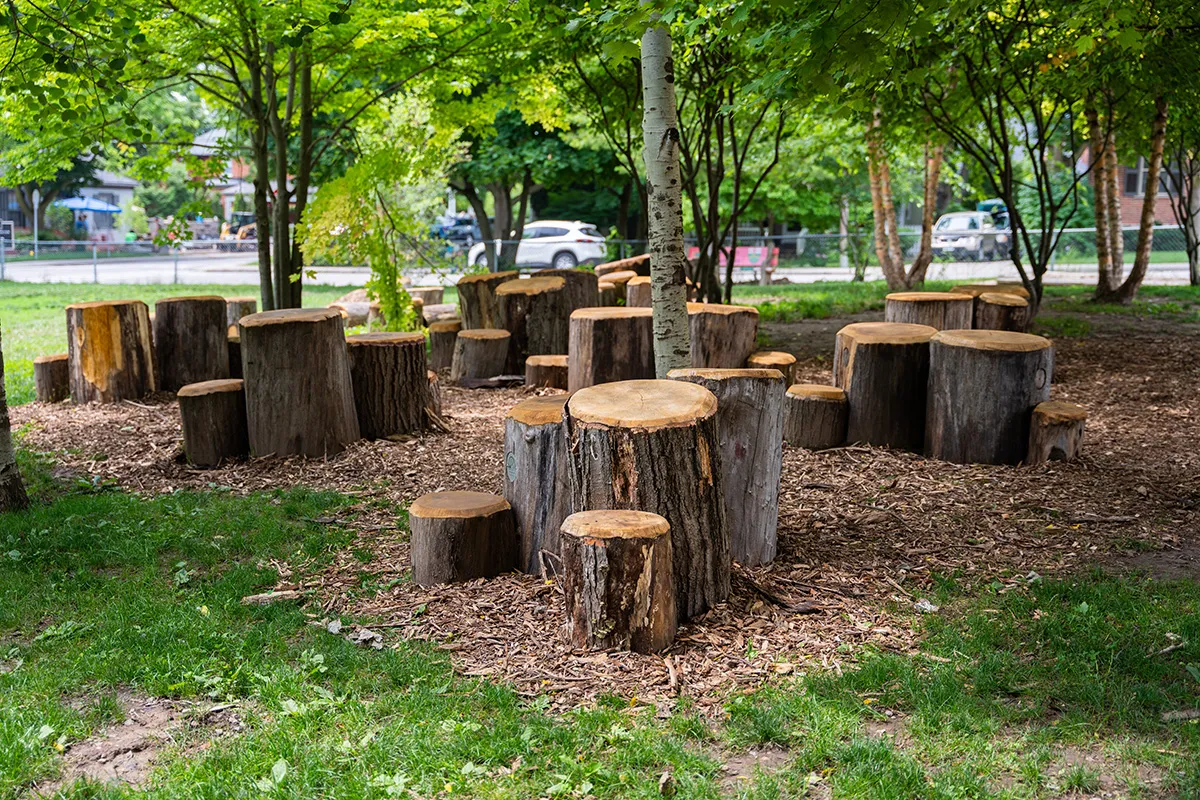
Twenty Canadian schools are set to transform their yards into outdoor classrooms and immersive microforests, thanks to a national program advancing environmental education and promoting kids’ connection to nature.
Re-Nature, a national initiative advancing outdoor classrooms and school forests across Canada, is launching its first cohort of schools in the nation’s capital region. The program will support the schools over a two-year period with the creation of school forests, outdoor classrooms, curriculum integration, and teacher mentorship designed to connect students with nature while improving health, resilience, and learning outcomes. It is part of a larger program that will see an additional 1,800 schools supported in the coming years.
Re-Nature provides participating schools with a comprehensive two-year program that includes designing and creating a school forest, an outdoor classroom, curriculum resources, and professional mentorship for educators. The initiative also tracks baseline and post-implementation data to measure impacts on student well-being, engagement, and environmental resilience.
“Re-Nature’s holistic approach to designing and building regenerative environments that combat climate change and their focus on mentoring our teachers to deliver our curriculum is a proven recipe for success. The funding and expertise Re-Nature brings to our partners provides our community with key tools to combat stress and anxiety by building the infrastructure of the future,” says Kristen Niemi, Director of Education at the Renfrew County District School Board.
The program was inspired by the work of Adam Bienenstock, founder of Bienenstock Natural Playgrounds, whose team has delivered more than 4,500 nature-based learning and play environments worldwide.
“After thousands of projects, one pattern became impossible to ignore,” says Bienenstock. “The places with the greatest need often have the least support. Canadian schools have little climate resilience, limited fire resilience, and increasing pressures around water use. What we do have is more than 200,000 acres of asphalt surrounding our schools, alongside rising levels of stress, anxiety, and aggressive behaviour among students and educators. If we are asking children to reduce screen time, we must provide meaningful alternatives that support their mental health, learning, and connection to nature.”
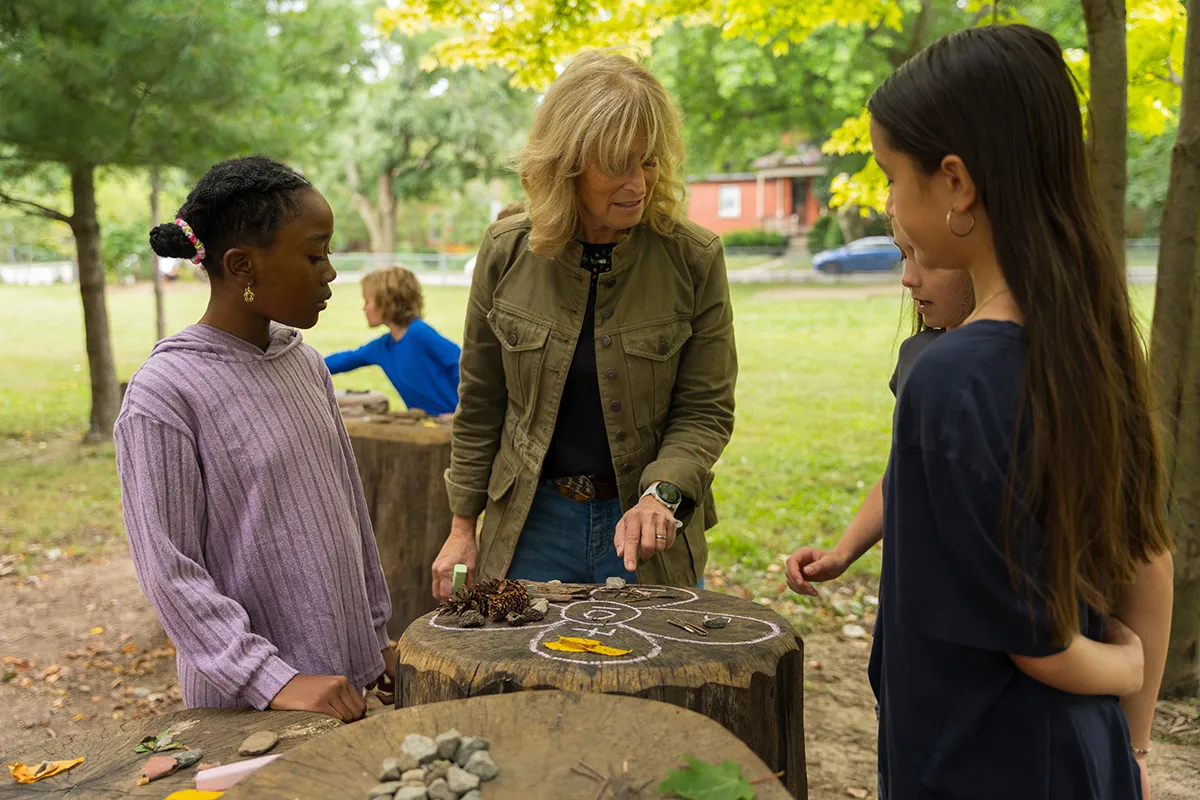
Re-Nature aims to address this inequity by prioritizing communities where access to nature and outdoor learning environments is limited. The initiative builds on growing research demonstrating that outdoor learning environments can significantly reduce stress and anxiety among students and teachers, strengthen environmental literacy, and support climate resilience in our communities.

TEACH is the largest national education publication in Canada. We support good teachers and teaching and believe in innovation in education.