As educators continue to seek diverse books that reflect the experiences of their students while introducing children to cultures beyond their own, the work of Dominican American author Luz Maria Mack offers an important example of how literature can serve as both a mirror and a window.
In celebration of Caribbean American Heritage Month, Mack’s growing collection of children’s books highlights the power of storytelling to preserve cultural traditions, strengthen identity, and create meaningful opportunities for social-emotional learning. Through titles such as Bachatica and ¡Pequeña María descubre su baile!, Mack introduces young readers to Dominican and Afro-Caribbean culture while exploring universal themes of self-expression, confidence, belonging, and personal discovery.
Born in Villa Mella, Dominican Republic, and now residing in the South Bronx, Mack draws inspiration from her own experiences navigating multiple cultural identities. Her stories reflect the realities of many Caribbean, Latino, and immigrant families whose lives are shaped by language, family traditions, music, dance, and community connections. Rather than presenting culture as a lesson to be studied, Mack weaves these elements naturally into her storytelling, allowing children to experience them as living parts of everyday life.
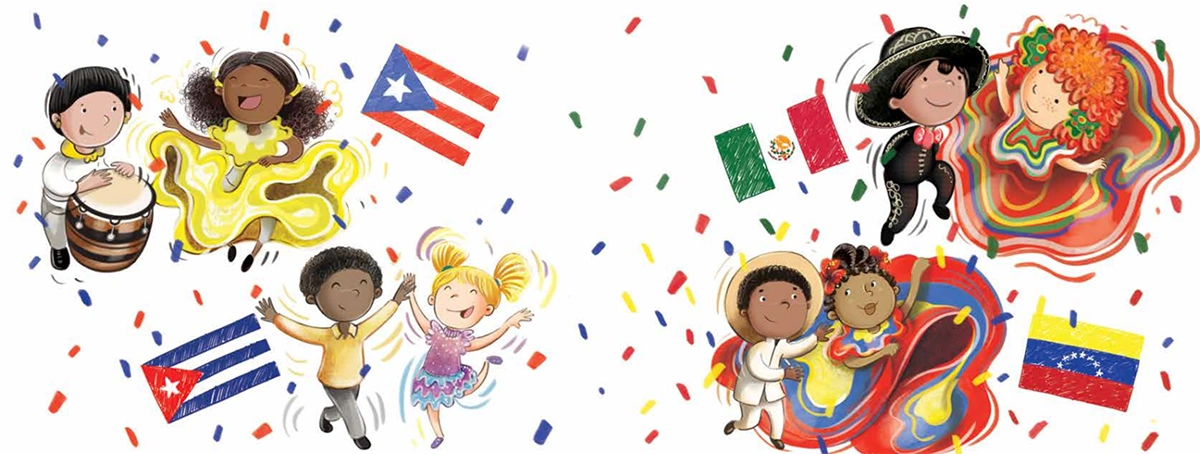
For educators, this approach offers a valuable opportunity to incorporate authentic cultural representation into the classroom. Research consistently demonstrates that students benefit from seeing their own experiences reflected in literature. When children encounter characters who share their language, traditions, neighborhoods, and family dynamics, they develop a stronger sense of self-worth and belonging. At the same time, culturally diverse books help students from different backgrounds develop empathy, understanding, and appreciation for communities beyond their own.
Music and dance play particularly significant roles throughout Mack’s work. In many Caribbean households, they are more than forms of entertainment. They serve as vehicles for history, storytelling, celebration, resilience, and intergenerational connection. Mack captures this reality in ways that resonate with young readers while creating opportunities for educators to explore cultural studies through multiple disciplines.
In ¡Pequeña María descubre su baile!, readers follow a young girl as she explores different forms of movement before discovering the dance style that allows her to feel most confident and authentic. While the story celebrates Dominican culture, it also addresses broader themes that educators frequently encounter in the classroom: self-confidence, individuality, perseverance, and finding one’s voice. The narrative encourages children to embrace their unique strengths while recognizing that growth often comes through exploration and self-discovery.
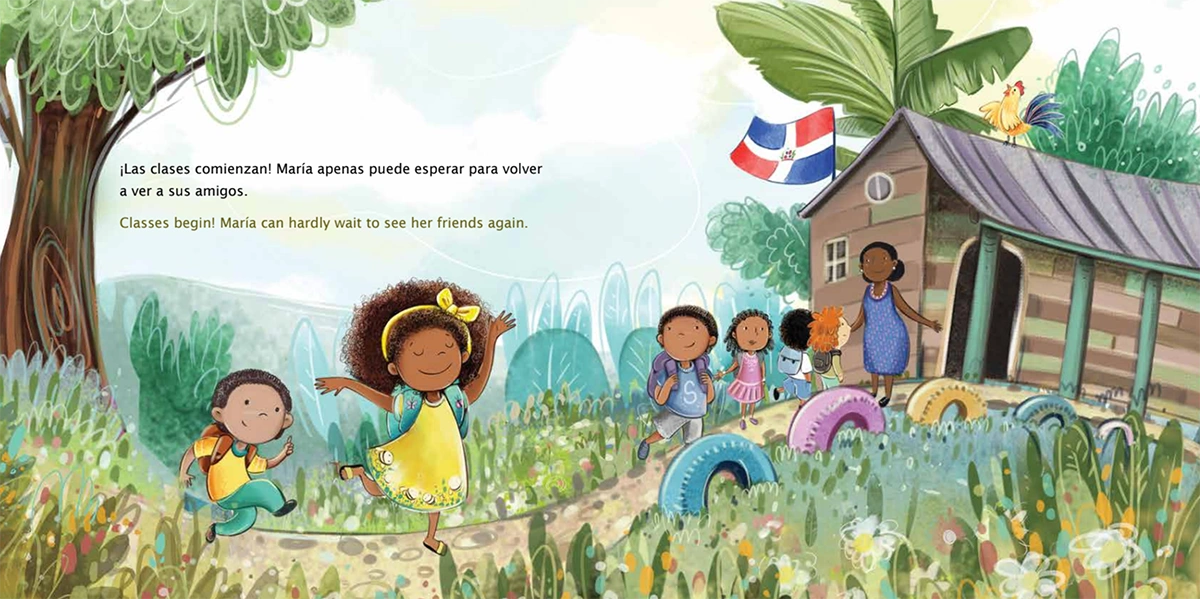
Similarly, Bachatica introduces children to bachata, one of the Dominican Republic’s most influential musical traditions. Through an age-appropriate lens, Mack connects young readers to the history, emotion, and cultural significance behind the music. For educators, the book can serve as an entry point into discussions about migration, cultural preservation, oral traditions, and the role music plays in communities around the world.
Mack’s commitment to representation extends beyond publishing. The animated adaptation of ¡Pequeña María descubre su baile! received recognition as Best Animated Short Film at Bridge Fest and later aired on PBS’s Chat & Learn. The success of the project reflects a growing demand for educational content that represents the diversity of today’s classrooms while remaining engaging and accessible for young audiences.
As schools continue working to create inclusive learning environments, books like Mack’s demonstrate the important role children’s literature can play in supporting cultural awareness and identity development. They remind educators that representation is about helping children understand that their stories, traditions, and experiences matter.
Caribbean American Heritage Month offers an opportunity to celebrate the many contributions Caribbean communities have made to music, art, food, language, and culture. Authors like Luz Maria Mack are ensuring that those contributions are also preserved through literature, allowing the next generation to discover, celebrate, and take pride in their heritage, one story at a time.
TEACH is the largest national education publication in Canada. We support good teachers and teaching and believe in innovation in education.