This post is sponsored by Stride Autism Center
When supporting students with autism, there are many different types of autism therapies that can help children thrive in the classroom and beyond. Applied Behaviour Analysis (ABA) is one of the most well-known options, and understanding how ABA therapy compares to other autism therapies can help you better support students and families.
Understanding Applied Behaviour Analysis
ABA draws on the science of learning and behaviour, using positive reinforcement to improve specific abilities, such as communication, social interaction, and academic performance. When weighing the pros and cons of ABA therapy, the evidence base is substantial. Decades of clinical studies show that intensive ABA can increase functional independence, promote adaptive behaviours, and address multiple skills simultaneously in young autistic children.
While historical criticisms centred on rigid, compliance-focused methods, modern ABA has evolved considerably. Today’s practitioners emphasize following the child’s lead and respecting autonomy. This is an evolution that matters when considering ABA for your students. ABA is recognized as an accepted, evidence-based best practice by the American Medical Association and the U.S. Surgeon General.
Why Stride Is a Leader in Evidence-Based ABA Therapy
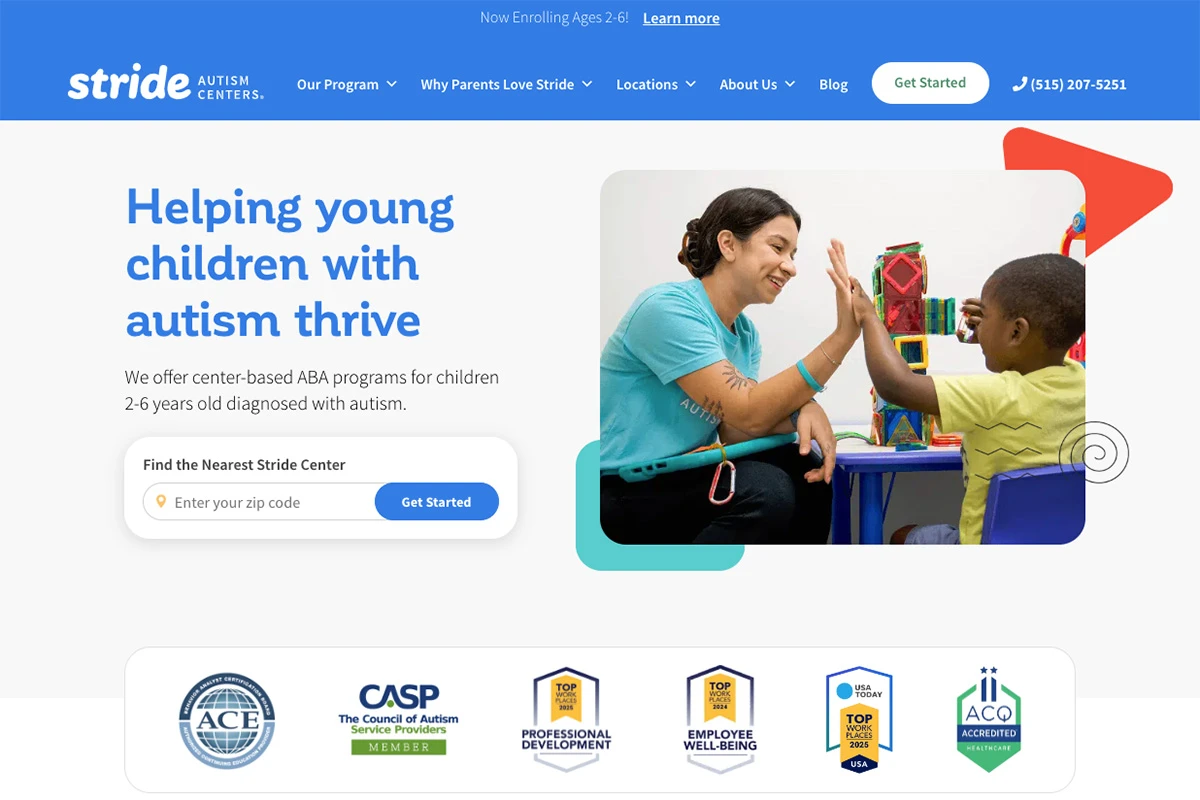
Stride Autism Center embodies the positive application of modern, evidence-based ABA, with 98% of parents reporting meaningful improvements in the child’s ability to initiate communication. The center’s personalized programs meet each child wherever they are. At Stride Autism Center, autistic kids can practice new abilities during group activities and peer interactions. These opportunities are difficult to replicate with home-based therapy.
Exploring Different Types of Autism Therapies
ABA is not the only therapy for autism. Speech therapy, occupational therapy, and other approaches play important roles and may work best in combination.
Cognitive Behaviour Therapy (CBT)
Practitioners adapt CBT to help autistic individuals manage anxiety and related conditions that may affect classroom participation. CBT centres on the connection between thoughts, feelings, and behaviours. While ABA emphasizes behavioural change, CBT targets internal thought patterns and emotional regulation, making it effective for older students who can engage in self-reflection.
Floortime Therapy
This relationship-based therapy approach emphasizes following the child’s natural interests to encourage emotional connection and developmental growth while prioritizing engagement over skill drilling. Where ABA uses structured teaching methods, floortime is child-led with adult guidance, which can be beneficial for building emotional bonds and reducing therapy-related stress. However, it may offer less measurable progress in specific skill acquisition than ABA’s data-driven methods.
Music Therapy
Music therapy’s clinical use of music interventions accomplishes individualized goals, such as improving social interaction or expressive abilities in a therapeutic relationship. The sensory-based nature of music therapy can engage students who struggle with traditional verbal instruction while offering an alternative pathway to learning.
Play Therapy
Play therapy uses a child’s natural method of communication, play, to help them be more expressive, build social abilities, and work through challenges with a trained therapist. Like floortime, it prioritizes emotional expression and processing over direct skill instruction. While play therapy excels at addressing emotional needs and trauma, it may require pairing with more structured approaches like ABA for comprehensive learning support.
Choosing the Right Therapeutic Path for Your Students
Every child with autism benefits from an individualized therapeutic approach. The most effective path is evidence-based and collaborative, involving parents, educators, and clinicians working together to support each student’s unique journey.

TEACH is the largest national education publication in Canada. We support good teachers and teaching and believe in innovation in education.