With more than 55 million children and 6 million adults spending their days in K–12 school buildings across the country, the American Lung Association is urging school administrators to prioritize indoor air quality by testing for radon, a leading cause of lung cancer and a hidden threat in many schools.
Radon is a naturally occurring, odorless, tasteless, and colorless radioactive gas that can accumulate indoors, including in schools. It is the second leading cause of lung cancer in the United States and is responsible for approximately 21,000 deaths annually. The only way to determine if a school has elevated levels of radon is through testing.
“Every child deserves a healthy place to learn, and every educator deserves a healthy place to work,” said Harold Wimmer, President and CEO of the American Lung Association. “Radon is a cancer-causing gas that can accumulate inside schools without anyone knowing. The good news is that testing for radon is simple and affordable—and schools can take action to fix the problem if levels are high.”
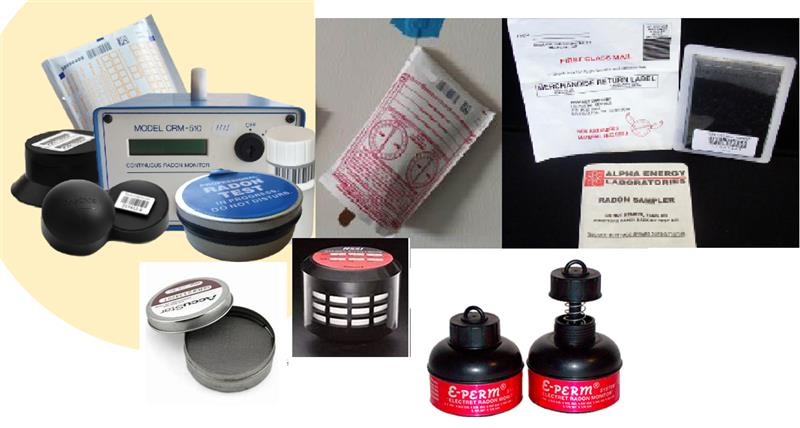
Indoor air quality plays a critical role in both student learning and staff health. Americans spend about 90 percent of their time indoors, where air pollution levels can be two to five times higher than outside. Poor air quality in schools has been linked to reduced academic performance, increased absenteeism, and a higher risk of respiratory illnesses, along with other serious health conditions.
Radon can enter buildings through cracks in floors, walls, and foundations. There is no known safe level of radon exposure. The Environmental Protection Agency (EPA) recommends taking action to reduce radon if levels are at or above 4.0 picocuries per liter (pCi/L) and considering action for levels between 2.0 and 4.0 pCi/L.
In many states, school officials can be trained to perform radon testing or licensed professionals can be hired to do the testing. Radon testing guidance for schools is available here.
The American Lung Association is calling on all school districts to test their facilities and take mitigation steps if needed to protect the health and well-being of students, faculty, and staff. Learn more about radon testing in schools and find resources at Lung.org/radon-schools.
About the American Lung Association
The American Lung Association is the leading organization working to save lives by improving lung health and preventing lung disease through education, advocacy, and research. The work of the American Lung Association is focused on four strategic imperatives: to defeat lung cancer; to champion clean air for all; to improve the quality of life for those with lung disease and their families; and to create a tobacco-free future.
For more information about the American Lung Association, which has a 4-star rating from Charity Navigator and is a Platinum-Level GuideStar Member, call 1-800-LUNGUSA (1-800-586-4872) or visit Lung.org. To support the work of the American Lung Association, find a local event at Lung.org/events.

TEACH is the largest national education publication in Canada. We support good teachers and teaching and believe in innovation in education.