By Gemma Kenyon
When students arrive at university, one of the most common challenges they experience is not a lack of ability or drive, but a lack of awareness. Many have a narrow understanding of the world of work and the range of careers available to them, especially those without access to professional role models. As the saying by Marian Wright Edelman goes, “You can’t be what you can’t see.”
It’s easy to think of career readiness as something that happens once students reach university or begin job applications, but in reality, it starts much earlier. If students are not given a clear and realistic picture of the labour market, they will fill the gaps themselves, often with incomplete or misleading information shaped by big brands or media exposure.
The good news is that building employability skills doesn’t require a separate program or additional workload. It can be embedded directly into everyday teaching. This is where high school teachers play a more important role than they might realize.
One of the most effective ways to do this is by connecting classroom learning to the real world. For example, showing how geometry is used in architecture or how communication skills apply in professional settings helps students understand why their learning matters. This could be delivered through formats that fit with time and resources available, such as written testimonials, recorded videos, or in-person talks with professionals.
Teachers can also build employability through simple classroom practices such as group work, presentations, or analyzing real-world data. These approaches reflect the kinds of skills employers consistently say they value. (Here are five Graduate Attributes that City St George’s, University of London has identified to help students better know what jobs are looking for.)
Recent research supports this shift. In a survey at City St George’s, University of London with Arlington Research, 97% of Canadian students and parents believe employability skills like communication, responsibility, and problem-solving should be part of every degree.
Another key area is helping students recognize and articulate the skills they are already developing. Many university students struggle to explain their strengths, even when they have strong academic records. Giving them opportunities to reflect on what they have learned, whether through projects, group work, or even hobbies, can build this confidence early.
It is important to note that educators should avoid presenting career paths as overly linear. Most careers don’t follow a single route and helping students understand this can reduce pressure and open up a wider range of possibilities. Framing career planning as a series of experiments that each involve mini experiences rather than a single, finite decision, can make the process feel more accessible and less daunting.
For teenagers, career readiness is not about having a fixed plan. It’s about developing curiosity, gaining exposure to different pathways, and building the confidence to explore options.
Ultimately, preparing students for the future doesn’t mean adding more to the curriculum. It means making the most of what is already there and bringing learning to life. By encouraging reflection and fostering curiosity, teachers can play a powerful role in helping students build the skills and confidence they need for whatever comes next.

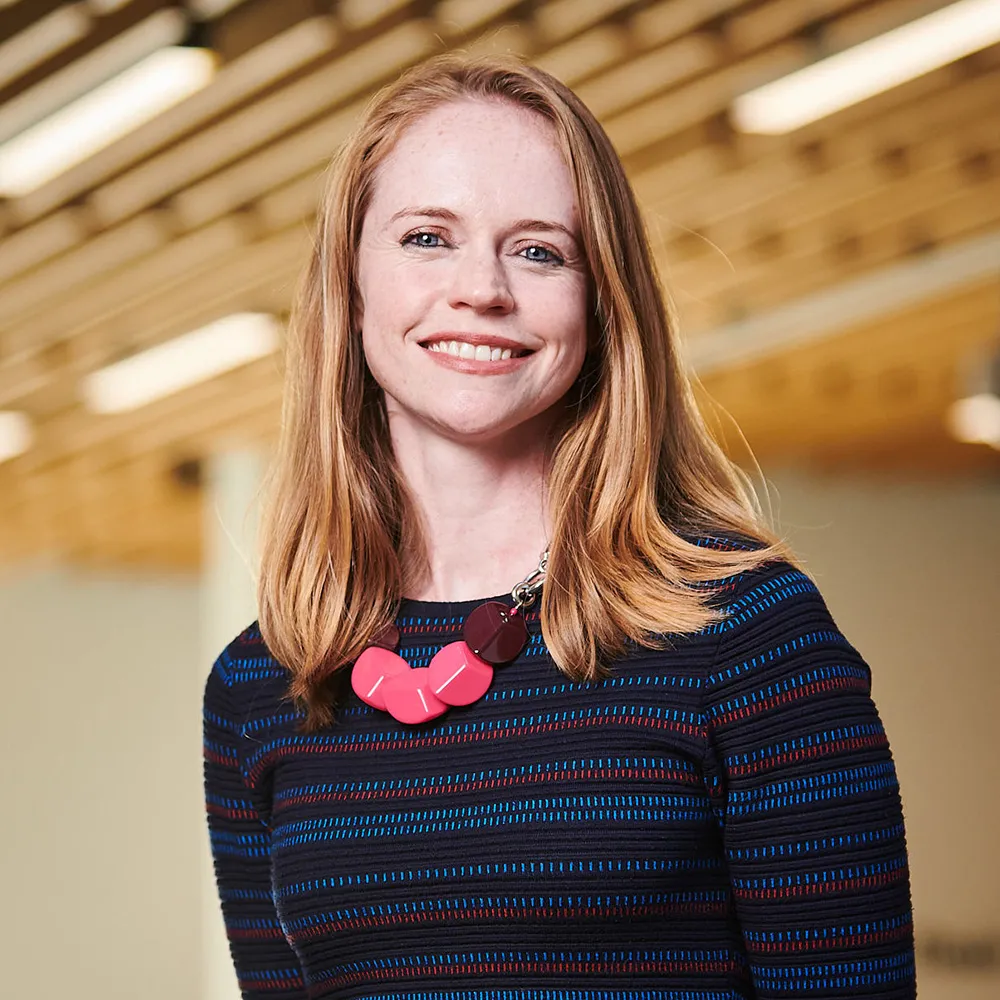
Gemma Kenyon is the Director of Careers and Employability at City St George’s, University of London. She has been working in Higher Education careers services since 2009 and has been leading careers services since 2013. Gemma became a board member of the U.K. national body for HE careers services, AGCAS, in March 2023, and is a Senior Fellow of Advance HE. She lives in south London and is kept busy outside of work with her two kids and her cat.