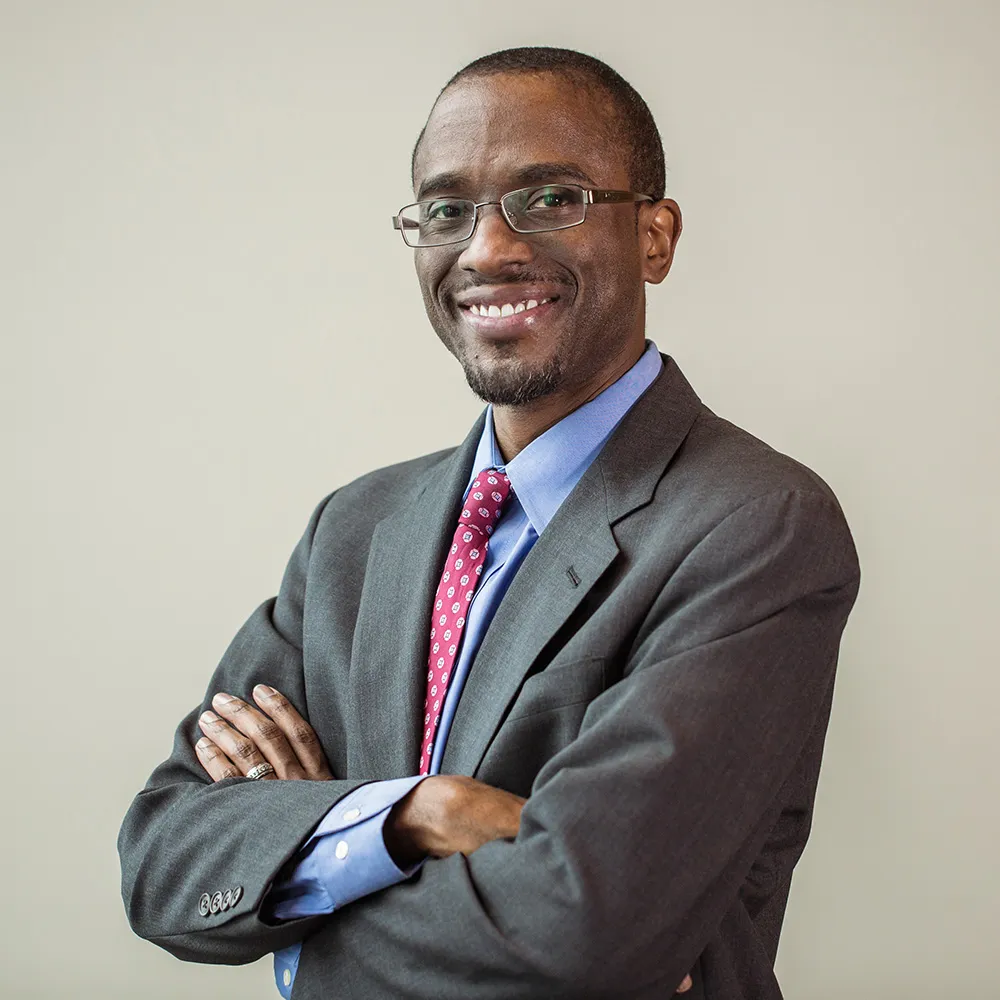
By Dr. Floyd D. Beachum
Five years after the racial awakening ignited by George Floyd’s death, DEI initiatives in urban classrooms and communities face intense scrutiny, legal restrictions, and political clashes. Nevertheless, for urban educators and students—who often deal with deep-rooted inequities every day—the effort to promote equity and inclusion must continue.
Urban schools that serve some of America’s most racially and economically diverse student populations have long been focal points for educational debates. DEI initiatives aimed at reducing achievement gaps, addressing disproportionate discipline, combating biased curricula, and promoting culturally responsive teaching have been essential for improving these schools.
Political backlash against DEI frameworks and critical race theory (CRT) has complicated these efforts. Misunderstandings and misinformation surrounding CRT, in particular, have led to legislation that limits what can be taught about systemic racism, structural inequities, and American history—subjects that are deeply relevant to urban students’ realities.
Many urban educators feel the impact of these constraints in their classrooms, where honest conversations about race, poverty, and justice are often needed. Legal restrictions can prevent discussions of historical and current inequalities that significantly affect students’ lives. The result is confusion and frustration among teachers and families who want to openly discuss racial and social justice issues but face barriers that schools cannot avoid.
The fight for fairness in urban schools isn’t new. These schools have historic roots of segregation, underfunding, and marginalization. While civil rights wins were significant, there are ongoing issues that need continuous attention. Today’s opposition to DEI recalls earlier resistance to efforts such as desegregation and bilingual education, underscoring that progress can be complicated and divisive.
Despite recent political and legal hurdles, many urban school districts and educators stay deeply committed to equity. They implement culturally sustaining pedagogy, restorative justice discipline models, and community partnerships to holistically support students’ needs. Changes in language—from DEI to themes like belonging or inclusive excellence—reflect efforts to maintain equity goals despite navigating often challenging policy environments.
While the language may change, the commitment to addressing inequity, creating supportive learning environments, and welcoming a broad base of diverse languages, perspectives, and people is the critical essence that must be maintained in urban schools and beyond.
Three pillars—imagination, information, and inspiration—can guide urban educators and communities as they work to advance progress in these challenging times.
Imagination encourages us to reimagine urban classrooms as places where all students succeed, supported by curricula that reflect their histories and identities instead of erasing them. Imaginative leadership in urban schools promotes new teaching methods, research approaches, and partnerships that celebrate diversity and encourage inclusion despite the challenges.
Information emphasizes the importance for urban schools to use accurate data and clear communication to address misinformation about DEI and CRT. Urban educators need resources to engage families and communities thoughtfully in honest conversations about race, inequality, and education’s role in social change.
Inspiration demonstrates the resilience of urban educators, students, and families who continue to strive for justice and opportunity despite the challenging landscape. Their dedication drives significant movements toward more equitable urban education, reminding us that educational equity is not just a goal but a necessity for America’s future.
Urban schools represent both the promise and potential of American education. As the debate around DEI intensifies, the essential work of cultivating belonging and justice in urban settings must continue. For the futures of urban students—often the most affected by inequality—the path toward educational equity is urgent and vital.
Dr. Floyd D. Beachum is the Bennett Professor of Urban School Leadership at Lehigh University College of Education in Bethlehem, PA. His research interests include leadership in urban education, special education leadership, and moral and ethical issues in K–12 schools. He has authored several books and peer-reviewed articles, and is also the host of the Equitable Minds podcast.