

Subscribe from $5.99
0,00 USD

No products in the cart.

Helping Students Become Lifelong Readers

Advertisement

By Felix Lloyd

Reading has always been an essential part of a young person’s education. Still, the idea that kids should love reading and that books should be necessary for their identity has lost urgency in the digital age. This shift is reflected in declining student outcomes and a decrease in young people reading for pleasure.

We know that reading positively impacts academic performance. It supports empathy, critical thinking, and even social connection. My take? The best way to inspire today’s youth to read is by building a culture that celebrates their book choices and makes reading as fun and engaging as the media they already love.
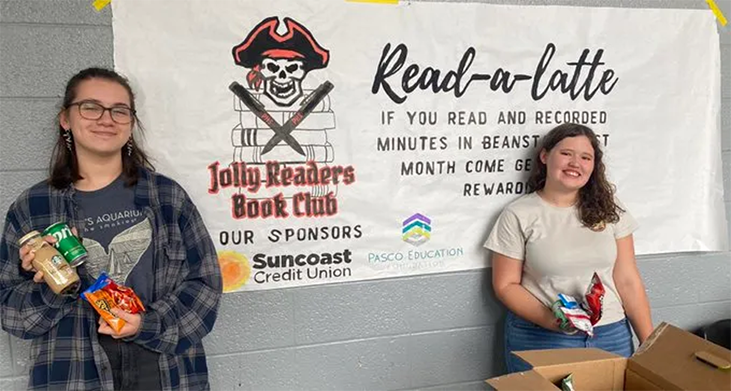
At Pasco High, good books come with great snacks. That’s how you celebrate reading!

As a parent and former educator, I’ve seen it repeatedly: students who never considered themselves “readers” suddenly get hooked once they find the right story or format. When I was in the classroom, I distinctly remember a group of students who became avid readers after one of them read The Coldest Winter Ever by Sister Souljah. What was true then, and now, is that students need time and motivation to find books with which they connect. They also need encouragement that extends naturally from a culture of reading.

Creating a positive reading environment, or reading culture, starts with dedicating time to reading, whether through a 15-minute block in the morning, a quiet moment after recess, or a daily routine at home. And then there’s choice. If we want students to build reading stamina, they need some control over what and how they read. That means embracing graphic novels, listening to audiobooks, or—in my case, with The Coldest Winter Ever—offering books that would not otherwise be selected for school reading. The more ownership students have, the more likely they are to keep reading.

Just as important is making reading visible and valued. When teachers discuss what they’re reading, display student book reviews in the hallway, or let kids recommend titles to one another, they create a culture where books matter. It sends a powerful message when students see their peers recognized for reading.

Some schools spark motivation through friendly reading competitions, whether by tracking minutes, pages, or books read. These challenges turn reading into a shared goal and a celebration of progress, not pressure. When students see their efforts add up and contribute to a team win or personal best, it builds pride and confidence, and allows them to see reading as a meaningful part of who they are.
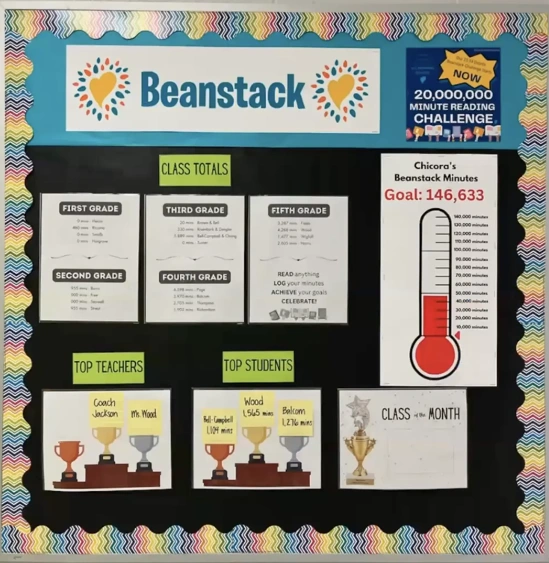
Chicora Elementary turns its hallway into a reading motivation zone!

In a world where social connection is more important than ever, helping students build strong reading habits is one of the most lasting, impactful things we can do. It just takes a little structure, a lot of encouragement, and a belief that every child can grow into a lifelong reader.

You have the power and resources to shape that journey. By making reading a daily practice and a celebrated part of school culture, we can help more students turn the page on what’s possible for their learning and lives.
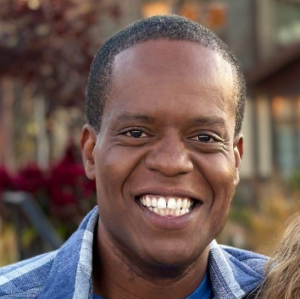
Felix Lloyd, a former Washington, DC, Teacher of the Year and Dean of Students at SEED Public Charter School, co-founded Beanstack and secured an investment from Mark Cuban on ABC’s Shark Tank in 2014.
Education News

For Canadian Students, a Career-Focused Degree Could Mean Heading to the U.K.

New research reveals that 83% of students value job experience above all, prompting more to choose U.K. degrees built with career outcomes in mind.

As Temperatures Rise, Math Scores Drop

The effect of heat waves on schools has become an urgent issue, with news stories on schools closing due to extreme heat becoming more and more common.

Mindset Matters: 4 Metaphors to Shift Your Thinking About ADHD

Later this month, my book, “An Educator’s Guide to ADHD,” will be released into the world. Structured in two parts, the book invites educators to explore how they can better understand and support students with ADHD.

Kid Spark Education Launches Transformative Early Childhood STEM and Literacy Program

New hands-on program helps young learners build curiosity, confidence, and foundational STEM and literacy skills.

Protecting Adolescents from the Risks of Social Media: Is a Ban the Solution?

With parents and teachers struggling to monitor how teens interact with social media, the pressure is increasing on governments to act. But is an age ban the best approach?

Engaging Every Learner: How This Free Tool Can Transform Classroom and Home Learning

Random Wheel Spin is a fully customizable wheel of names spinner with additional activities that can be added beneath each name. This tool offers a lightweight but powerful solution to the ever-present problem of student engagement.
Felix Lloyd
Felix Lloyd
Felix Lloyd, a former Washington, DC, Teacher of the Year and Dean of Students at SEED Public Charter School, co-founded Beanstack and secured an investment from Mark Cuban on ABC’s Shark Tank in 2014.

Advertisement

Read More

For Canadian Students, a Career-Focused Degree Could Mean Heading to the U.K.

New research reveals that 83% of students value job experience above all, prompting more to choose U.K. degrees built with career outcomes in mind.

Giving Conflict Back: The Secret to Effective Restorative Practices

Here’s how I restored an elementary school’s staff culture from a feud 20 years in the making (with help from a 1970s criminologist).

In 2026, Career Readiness Can’t Be Someone Else’s Job

When many students graduate, they cross the stage with a diploma in hand and a question they’re not prepared to answer: What comes next?

As Temperatures Rise, Math Scores Drop

The effect of heat waves on schools has become an urgent issue, with news stories on schools closing due to extreme heat becoming more and more common.

Mindset Matters: 4 Metaphors to Shift Your Thinking About ADHD

Later this month, my book, “An Educator’s Guide to ADHD,” will be released into the world. Structured in two parts, the book invites educators to explore how they can better understand and support students with ADHD.

Beyond Grades: Empowering Student Learning Through Self-Assessment

What if the problem isn’t just how students respond to feedback, but how we deliver it? What if, instead of handing out scores, we gave students the opportunity—and the space—to reflect on their learning?