

Subscribe from $5.99
0,00 USD

No products in the cart.

How a “Year of No” Allowed Me to Be My Best Teacher Self

Advertisement

Originally published in TEACH Magazine, June 2026 Issue

By LaDona Tyson

This year is a “Year of No” for me. Actually, it’s my very first Year of No. My entire career has always been “Yes.”

Yes to professional development opportunities that sometimes yielded ideas and new teaching techniques, but often the days away just added more stress once I returned. Yes to career opportunities that were valuable in networking, but required more personal time to prepare and often meant delegating my favorite parts of the job. Yes to clubs, committees, and organizations that were excellent and needed and that would only “take a little bit of time here and there,” but often left me hustling to get it all done every day.
The Road to Burnout

The pressure on educators (in my case, music educators) to stretch ourselves, even with the best of intentions, is all too prevalent. We go out of our way to sponsor clubs, demonstrating our commitment and showing that we are “on board.” We host extra events and fundraisers to support our classrooms and activities. And we all know how to balance these endeavours with our side hustles, earning a little extra money in order to combat often-inadequate teacher compensation.

My burnout came to a head at the end of the last academic year. In my yearly evaluation with my department chair, I became a weepy mess. For two years, I had taken on an extra ensemble (my idea, no one forced me) to provide some additional opportunities for a group of young men. This ensemble was calculated as an overload course, which was great because it meant I made a little extra money each semester—but the two years of stretching myself too thin had come to a head.

When my department chair asked how I felt the year had gone, I couldn’t hold back the tears. I was overwhelmed, overloaded, and, most importantly, I knew I wasn’t the best version of myself in the classroom.

This year, I am practicing “no.” Mind you, this isn’t a disrespectful, hands thrown in the air, uncaring “no.” Instead, it’s the most mindful and caring “no” that I can muster. It is understanding that the “yes” version of myself is often not my best (for me or others).

In 2025, the NEA reported that 53% of teachers stated they experienced burnout. Even more concerning, a Merrimack College 2023 survey concluded that among K–12 educators, 42% say their mental health is affecting their job. The same study also noted that 35% of respondents expressed a desire to leave the profession entirely within the next two years. This burnout leads to not only psychological, but also physical health issues.

A 2023 study suggests that teachers frequently experience headaches, gastrointestinal issues, and other health problems associated with inflammation and stress. Perhaps most notable is a study that concludes teachers who experience burnout negatively impact the academic success and motivation of their students.

The Benefits of Saying “No”

With this research and my personal experience in mind, I committed to a Year of No. And I can honestly say that it has made such a difference. I’ve noted improved connections with students and colleagues, a better quality of teaching, and enhanced personal wellness.

Within the first month, I noticed a change in my daily rhythm. My morning schedule suddenly allowed ample time to prepare for each class and rehearsal. I had more space to greet students as they entered rehearsal and to visit with them after class, instead of rushing back to my computer or off to the next meeting.

I also began to leave my office door open at least once or twice a week before and in between classes. Several students started dropping by, and soon my office was filled with chatter and laughter. One student even remarked that he “loved coming to my office to hang out before class with everyone.” I felt immediate joy, but also a tinge of regret at having missed that opportunity for the past few years.

The most significant difference has been the time allocated for one-on-one “check-ins” with the students in my choir. Even ten minutes spent getting to know each of them (where they’re from, where they want to continue their education, how their classes are going, and if they are socially well) can create a meaningful connection.

Rehearsals for choir and other ensembles have been more enjoyable and efficient because I have the time to properly prepare and integrate more creative teaching strategies. I also have a greater sense of balance. I can be fully present at work and at home. I’ve been able to carve out time for personal hobbies, such as reading, that I usually have to save for a holiday or summer break. I’ve also started leaving my computer at work more often.

Still, there are things my ensembles and I are asked to do that we can’t refuse, even if they come at inopportune moments. However, I’ve learned to let go of some control and allow the students to handle those opportunities without me.

For example, an administrator recently asked one of my ensembles to sing at an on-campus event at noon on a busy day. This particular administrator is always generous and kind, and singing on campus is part of our service. Unfortunately, I already had two rehearsals scheduled for that day, as well as a meeting with a prospective student and her mother.

I couldn’t say no, but I also couldn’t be in two places at once. So, I gave the students instructions and alerted the administrator that the ensemble was prepared and excited to attend, even though I wasn’t able to join. This helped to take some pressure off of me and had the added benefit of allowing my students to practice professionalism. It was also a reminder that there are always compromises that can make life a little easier.

Quality Over Quantity

I’m sure you’re thinking, ‘Well, of course!’ Saying no to things allows for better teaching and a better work-life balance. But it’s important to remember that I’m not just saying no to the things I don’t want to do. I am also saying a “hard no” to some things that I do enjoy, so I can make room for what truly matters most.

I am frequently asked to adjudicate choral events or participate in professional development opportunities, which I like and which also provide some extra income that we use for family vacations. However, I can’t erase nine months of overwhelming hustle and stress in just one week of vacation. I think it’s more important that I am present with my family the entire year.

In general, the Year of No has been an exercise in discipline and reminding myself that fewer commitments do not equal less value. As a typical teacher overachiever, I tend to equate my professional success with the amount of work I do. I’m ashamed to admit that I often wear hustle and stress as a badge of honour. I am rediscovering the joy and fulfillment of the “less-is-more” and “quality-over-quantity” approaches to teaching.

Tips for Your Very Own Year of No

  1. Put your non-negotiable dates in your calendar. These are days that I will not accept any extra obligations (no matter how tempting they may be). Example: birthdays, children’s sports days, a free day in the calendar with nothing. Don’t fill those up—we need them to reset.
  2. Tell a colleague about your plan. We all need some encouragement and accountability.
  3. Write down what your ideal day at work would look like. Maybe an early start with time to slowly get into the day? Perhaps you’d like to leave in an extra hour to cook dinner at night? Maybe you want to have a 15-minute quiet office at some point in the day to catch your breath? Once you have that down, set goals for how you will achieve it. What can you say no to?

The point is not to abolish every commitment, but to be more mindful of our obligations and priorities so that we can be our best at what we love. Sometimes saying no leads to a more meaningful yes.

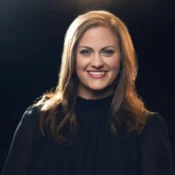
Dr. LaDona Tyson is in her 18th year as Director of Choral Groups at Pearl River Community College, where she directs the PRCC Singers chamber choir and the contemporary a cappella groups The Voices and Currents, whose ensembles have performed at regional and national ACDA conferences. She holds degrees from William Carey College and the University of Southern Mississippi, and is an active leader in choral education, currently serving as Past-President of the Mississippi chapter of ACDA.
Education News

New Podcast on Retirement, Aging, and Longevity

Are you interested in learning more about retirement? The “Retirement in America” podcast explores the challenges, ideas, and solutions shaping retirement security in the United States.

Jeopardy! Winner Credits High School for Game Show Success 

Perkins, a 2005 graduate of Rosati-Kain Academy, recently competed and won her debut game on the Emmy-winning game show on May 1.

From Commitment to Classrooms: Advancing Refugee Education

UNHCR–TECNO global partnership supports high impact education initiatives for refugee children and youth in East Africa.

Kids Write 4 Kids Creative Writing Contest Celebrates Young Authors Across Canada

Two Grade 6 writers earn publication; expert judges praise the creativity, craft, and heart of a record number of student storytellers.

ReadBright Literacy Tools Earn Bronze Efficacy Certification from EduEvidence

This independent certification recognizes that ReadBright aligns with the Science of Reading and meets rigorous standards for evidence-based instructional design.

Teaching Children to Be Better, More Critical Internet Users

McGill researchers designed and then tested a program that was shown to improve elementary students’ digital literacy skills.
LaDona Tyson
LaDona Tyson
Dr. LaDona Tyson is in her 18th year as Director of Choral Groups at Pearl River Community College, where she directs the PRCC Singers chamber choir and the contemporary a cappella groups The Voices and Currents, whose ensembles have performed at regional and national ACDA conferences. She holds degrees from William Carey College and the University of Southern Mississippi, and is an active leader in choral education, currently serving as Past-President of the Mississippi chapter of ACDA.

Advertisement

Advertisement

Read More

New Podcast on Retirement, Aging, and Longevity

Are you interested in learning more about retirement? The “Retirement in America” podcast explores the challenges, ideas, and solutions shaping retirement security in the United States.

Jeopardy! Winner Credits High School for Game Show Success 

Perkins, a 2005 graduate of Rosati-Kain Academy, recently competed and won her debut game on the Emmy-winning game show on May 1.

Three Myths About K–5 Online Education (And Why They Don’t Hold Up)

As the Dean of Elementary at a K–12 online private school, I constantly hear several myths about online education that I want to debunk.

Fixing Assessments So AI Can’t Fake the Messy Middle

When we grade the route, not just the destination, the focus returns to the middle of learning, where it belongs.

Why Non-Traditional Formats Count as Real Reading

When we start drawing hard lines around what “real” reading looks like, we lose sight of what actually helps kids become readers in the first place.

From Commitment to Classrooms: Advancing Refugee Education

UNHCR–TECNO global partnership supports high impact education initiatives for refugee children and youth in East Africa.