By Dottie Stewart
Every teacher has heard it: “3D printing can transform your classroom.” It’s super inspiring… until you’re standing in front of a new printer wondering where to even begin. Between tight schedules, testing requirements, and the everyday chaos of teaching, learning an entirely new technology can feel like one more impossible thing on the to-do list.
Here’s the secret: you don’t have to start from scratch. The best way to begin integrating 3D printing and design thinking isn’t with a huge new STEM initiative, it’s simply by reimagining things you already do.
Start Small. Start Familiar.
Every classroom has traditions. Fall decorations. Winter art projects. Science fair displays. These are perfect opportunities to sneak in STEM learning. When you take a familiar project and add a design or engineering element, students instantly connect the dots between creativity and technology.
Take fall, for example. Instead of using the same project that has been done for years like carving pumpkins or decorating paper ones, students can design and 3D print their own pumpkins. Each pumpkin can be built from modular “slices” that snap together like a puzzle, allowing endless combinations of faces, stems, and patterns. It’s creative, seasonal, and introduces real engineering concepts without the pressure of a high-tech lab.
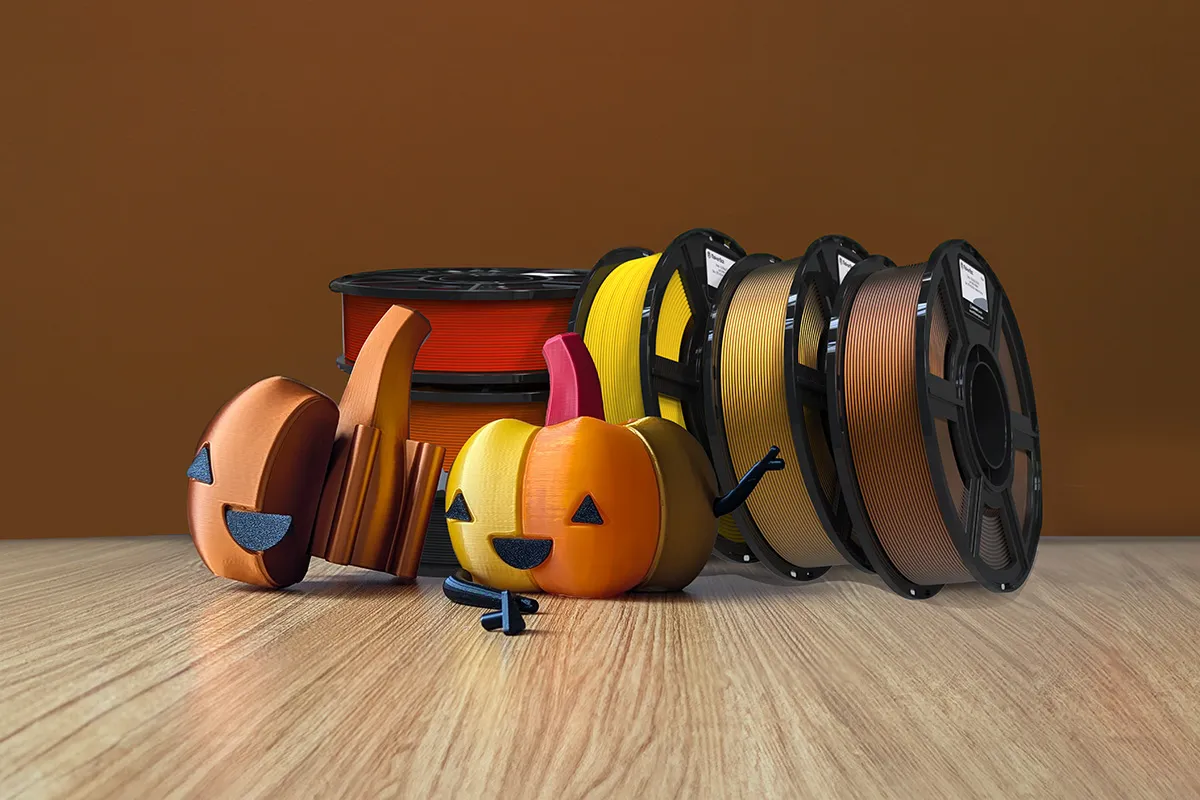
Teachers tell us that once students see something they designed take shape on a printer, the energy in the room shifts. The focus isn’t on “learning CAD” (computer-aided design) or “mastering 3D printing.” It’s on bringing their ideas to life, and that’s where learning naturally deepens.
Why Seasonal Projects Work
Seasonal or thematic projects lower the barrier to entry. Students are already engaged because the theme feels familiar and fun. From there, it’s easy to layer in core STEM and design skills:
- Design thinking: Iterating on ideas that have personal meaning.
- Engineering basics: Understanding how shapes and parts fit together.
- Digital literacy: Using modeling software and 3D printers confidently.
- Collaboration: Trading modular pumpkin “slices” or remixing designs as a group.
Teachers can adjust the complexity to fit their comfort level. A short activity might use pre-made templates. A longer project can explore geometry, materials science, or even sustainability.
And yes, adding a few fall-colored filaments doesn’t hurt either.
Confidence Is the Real Lesson
At its core, this isn’t about pumpkins. It’s about teacher confidence and student curiosity. Once teachers see how easily 3D printing can plug into an existing activity, the intimidation melts away. Students learn that technology isn’t something separate from creativity, it’s an extension of it.
Every small project builds transferable skills:
- Problem-solving when prints don’t fit together perfectly.
- Analytical thinking when students adjust dimensions or test tolerances.
- Innovation when they remix each other’s designs into something new.
Suddenly, the printer isn’t a gadget collecting dust in the corner, it’s a tool for thinking, making, and exploring.
From Pumpkins to Possibilities
Once you’ve tried it with pumpkins, the ideas start flowing. You could do apples if you would rather. Or snowflakes in winter. Flowers in spring. Cultural symbols during heritage months. Even something as simple as designing a personalized nameplate can open doors to deeper learning.
The point isn’t to do “more STEM.” It’s to help students see that STEM is already part of how they imagine, design, and solve problems every day.
Where to Begin
If you’re looking for a place to start, UltiMaker offers a free 3D-printed pumpkin design lesson plan called Pumpkin Patch Creations—a classroom-tested activity that blends seasonal fun with real-world design.
But don’t stop there. Look around your classroom. The next great STEM project might already be hiding in your lesson plans, just waiting for a little 3D magic.

Dottie Stewart is an experienced tech leader at UltiMaker, passionate about advancing educational technology and supporting the growth of both products and people. With a focus on adapting technology to meet the needs of diverse educational institutions, Dottie is dedicated to nurturing talent and promoting collaboration within the edtech space.