

Subscribe from $5.99
0,00 USD

No products in the cart.

In 2026, Career Readiness Can’t Be Someone Else’s Job

Advertisement

By Edson Barton

The first day of school is full of hope. New notebooks, fresh starts, big plans. Students walk into classrooms believing the future is wide open.

But for too many, that hope fades by graduation. They cross the stage with a diploma in hand and a question they’re not prepared to answer: What comes next?

As we look to 2026, we need to be honest with ourselves. Completing school and being ready for life after school are not the same thing. Career readiness can no longer be treated as an add-on or a problem for someone else to solve.

Today’s students are ambitious. They want to do meaningful work and build lives that matter. What they often lack is not motivation, but visibility. Many don’t clearly understand their natural strengths or see how those strengths translate into real careers, credentials, and opportunities. When that connection is missing, even students who have worked hard for years can feel uncertain about their next step.

That uncertainty isn’t a failure of effort. It’s a failure of alignment.

Career readiness must become a shared responsibility in 2026. Schools, families, employers, and policymakers all play a role in helping students connect who they are to where they can go. When any one group steps back, students are left to guess. When everyone leans in, clarity starts to take shape.

We’re already seeing what works. Career and technical education, industry-recognized certifications, and work-based learning are moving from the margins to the center of the conversation. These pathways don’t compete with academic rigor. They make learning more relevant by showing students how their abilities connect to real-world needs.

Alignment doesn’t happen by accident. Educators need better insight into workforce demand and clearer tools to help students understand their aptitudes. Employers need to open doors through internships, apprenticeships, and job-shadowing experiences. Families need support to explore a wider range of post-secondary paths. Policymakers need to reward systems that prioritize readiness, not just completion. When these pieces connect, students leave school with direction, not just a transcript.

Career readiness is about more than jobs. It’s about confidence, dignity, and purpose. When students understand their strengths and see where they are needed, they step into adulthood with clarity.

In 2026, the question isn’t whether students are capable. It’s whether we are willing to take shared responsibility for helping them see their potential and connect it to their future.

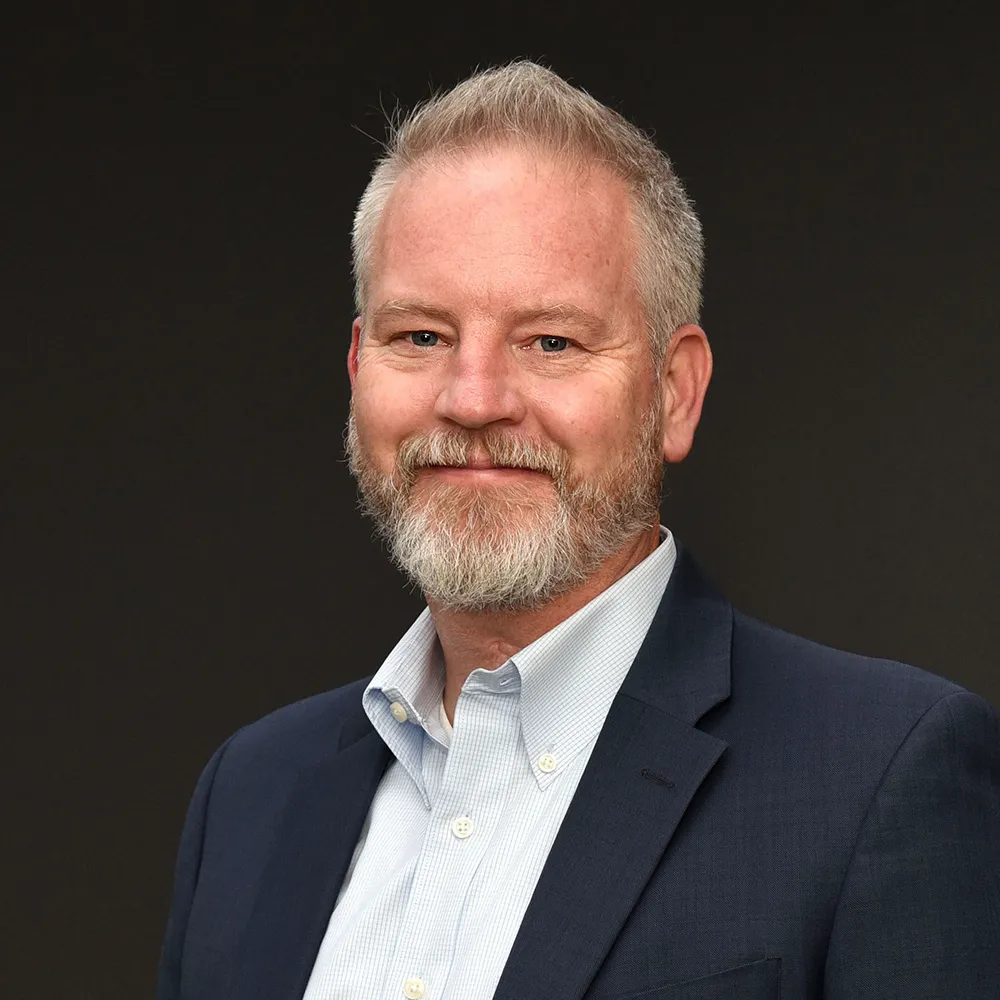
Edson Barton is CEO and Co-Founder of YouScience and founder of Industry Certifications (formerly Precision Exams). As a 25-year EdTech veteran, he leads YouScience as it revolutionizes the personalization of career education—bridging the edtech and talent tech markets and solving critical education-to-workforce issues such as the skills gap and program equity and diversity.
Education News

Social Media, Identity, and Power in the Digital Age: Youth-Led Conference on March 22

This free virtual event for Grades 8–12 will explore how social media influences identity, power, culture, entrepreneurship, and digital well-being.

A Slice of Learning: Mathnasium and Pizza Pizza Celebrate Pi Day

National Pi Day partnership brings hands-on math experiences and a chance to win a $3,140 scholarship and $314 Pizza Pizza gift card.

How to Boost Participation in Physical Activity for Autistic Youth

Researchers investigating how to increase participation in physical activity by autistic children say key strategies include creating predictable routines, involving family members, and ensuring safe and sensory-friendly spaces.

Registration Now Open for Free Global Math Competition on March 24

World Maths Day, the world’s largest online mathematics competition, kicks off on March 24. Over the years, this fun, free international celebration of math has seen over 10 million students answer more than 1 billion questions.

Natural History Institute and Prescott College Partner to Offer Naturalist Certification Program

The unique Mogollon Highlands Naturalist Certification program is designed to cultivate deep connections to nature, place, and community through the practice of natural history.

The Data Is Clear: Students Want Job Outcomes and U.K. Universities Are Listening

Is going to university still worth it? That’s a question I hear more and more often these days. The answer increasingly depends on what a student wants from that degree.
Edson Barton
Edson Barton
Edson Barton is CEO and Co-Founder of YouScience and founder of Industry Certifications (formerly Precision Exams). As a 25-year EdTech veteran, he leads YouScience as it revolutionizes the personalization of career education—bridging the edtech and talent tech markets and solving critical education-to-workforce issues such as the skills gap and program equity and diversity.

Advertisement

Read More

Social Media, Identity, and Power in the Digital Age: Youth-Led Conference on March 22

This free virtual event for Grades 8–12 will explore how social media influences identity, power, culture, entrepreneurship, and digital well-being.

Absenteeism Is Predictable. We Must Learn to Read the Patterns.

Absenteeism is predictable. The signs are there. You just need to know how to read them.

Why You Should Use Poetry with Older Students

Poetry is not some niche subject to be avoided with older English-language learners. On the contrary, it’s a versatile and powerful tool.

Professional Learning in 2026: Balancing Innovation, Coherence, and Teacher Voice

The traditional model of mandated, one‑size‑fits‑all workshops is giving way to professional learning that is more responsive, curriculum-aligned, and customized to each educator’s experience and goals.

A Slice of Learning: Mathnasium and Pizza Pizza Celebrate Pi Day

National Pi Day partnership brings hands-on math experiences and a chance to win a $3,140 scholarship and $314 Pizza Pizza gift card.

How to Boost Participation in Physical Activity for Autistic Youth

Researchers investigating how to increase participation in physical activity by autistic children say key strategies include creating predictable routines, involving family members, and ensuring safe and sensory-friendly spaces.