Subscribe from $5.99

Planting Seeds of Knowledge: Life Lessons from an Educational Farm

Advertisement

By Ryan Blosser and Danny Lee

My name is Ryan Blosser, and I currently work as a farm educator in Virginia. This isn’t necessarily the job I imagined for myself back when I was young, but now I can’t imagine doing anything else.

My career throughout the last few decades can best be described as a textured one. I’ve spent time as a child and family therapist, an education non-profit leader, an SEL coach, an organic market farmer, and even a classroom teacher. Never one to stand still for very long, I’ve tended to move frequently between new challenges and interesting projects.

I like change and I like novelty, but I think what I’ve truly been seeking is the sweet spot; that perfect moment when vocation and avocation blend together to optimize the biggest impact on the local community. And, at last, I think I’ve finally found it, on the Waynesboro Education Farm.
Subscribe to Keep Reading

🔑 You’re one step away from unlocking premium content.
Subscribe now for as low as $5.99 and get full access!

Subscribe

If you’re already subscribed, please Log In.

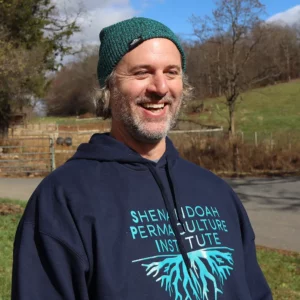
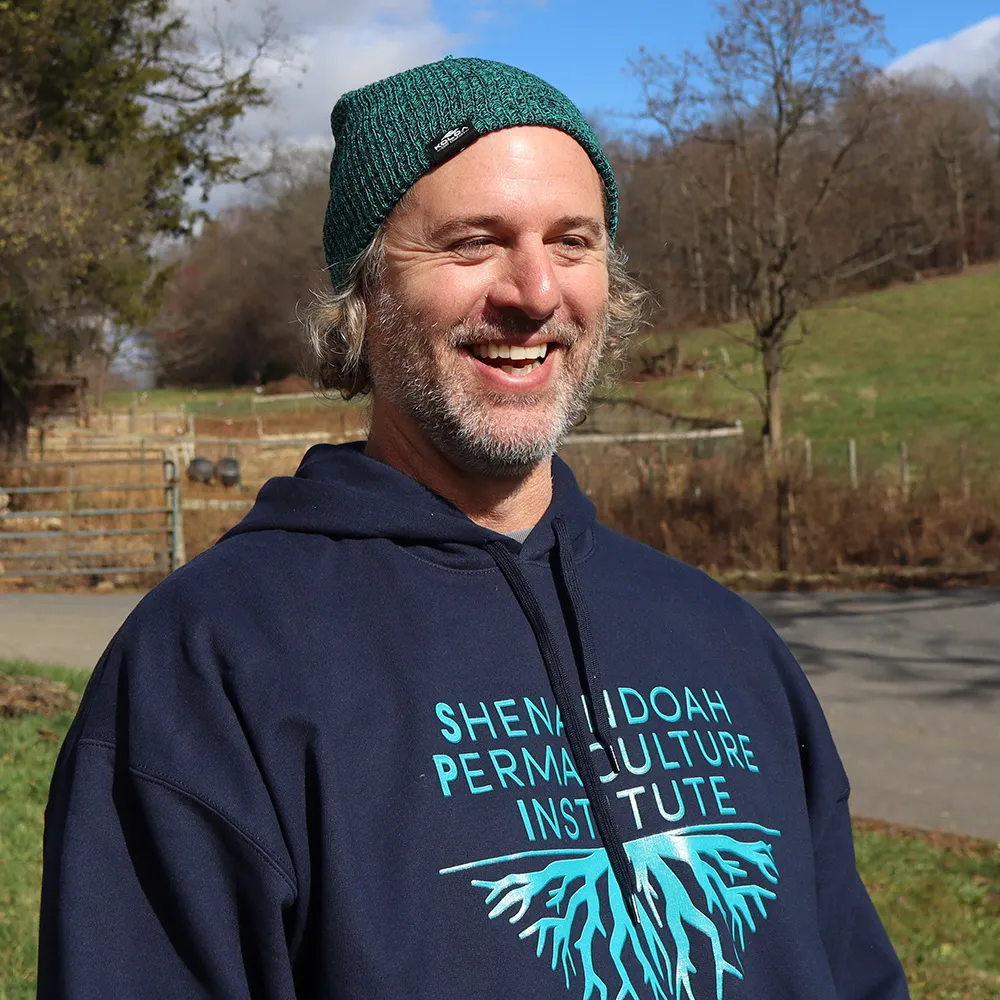
Ryan Blosser, MA, EdS, is a farmer, educator, permaculture designer, writer, and former child and family therapist. He is co-founder of the Shenandoah Permaculture Institute and owner/operator of Dancing Star Farm. The intersection of his twin passions for growing food and helping people fuels his unique perspectives on education and building community health and resilience through permaculture design.
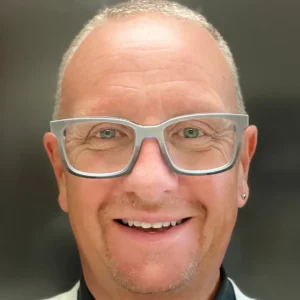
Danny Lee is a 26-year veteran of the public education classroom, having taught grades 1, 2, 3, and 5 before transitioning to gifted education, where he serves two elementary schools. Danny is a believer that all kids need exposure to higher order thinking, and he has an interest in developing executive function skills in young learners. He is also an avid theater nerd who has found a passion for directing community productions.
Education News

Supporting Teachers with Tiny Pep Talks

Teaching is meaningful, important, and filled with joys both big and small. But also, let’s face it, there are days where you could use an extra pep talk (or twenty).

Why We Need to Start Recognizing the Strengths of Sensitive Children

I was a boy in Texas in the 1980s. At that time, young men were expected to grow into cowboys or firefighters or G.I. Joes.

Sustainable Professional Wear for Teachers

Teachers make hundreds of decisions every day. Yet one of the earliest decisions happens quietly at home each morning: What am I going to wear today?

Key Forces Shaping K–12 Learning in 2026

The annual report identifies the top challenges schools must overcome, trends driving innovation, and tools transforming teaching and learning this year.

Indoor Air Quality Policies to Make Schools Healthier and More Energy Efficient

In “A Win-Win for Lung Health,” the American Lung Association outlines ten recommendations to improve energy efficiency and ensure healthy indoor air quality.

Why Eighth-Grade Algebra Access Matters

Access to eighth-grade algebra is far from equal. Many students never get the chance to take it before high school, even when they’re ready.

Advertisement

Advertisement

Read More

Teaching Through Connection: The Value of Personal Intelligences in the Classroom

Personal intelligences (interpersonal and intrapersonal) sit at the heart of meaningful language learning.

How Belonging Fuels Literacy

Literacy achievement does not happen by accident. It grows through intentional choices—decisions made every day about instruction, environment, and relationships.

Supporting Teachers with Tiny Pep Talks

Teaching is meaningful, important, and filled with joys both big and small. But also, let’s face it, there are days where you could use an extra pep talk (or twenty).

Learning About Money Should Feel Less Like Homework and More Like Real Life

It’s time to start rethinking financial education for the digital generation. Here’s how.

Rethinking Continuity: How Looping Can Transform Classrooms

Students perform better when they experience a stable environment with consistent relationships. One way to achieve this is through looping.

Digital Literacy: Helping K–12 Students Learn to Spot Misinformation

How can educators make students aware of the fact that not everything they read or hear online is true?