By Lacey Cadieux-McLean
Teaching is one of the most demanding professions. Educators move constantly—between desks, hallways, meetings, playground supervision, and after-school responsibilities. They make hundreds of decisions every day. Yet one of the earliest decisions happens quietly at home each morning: What am I going to wear today?
Although this may seem like a small detail, outfit choice can have a big influence on comfort, confidence, health, time management, financial well-being, and environmental impact. By rethinking professional clothing through both a sustainability and innovation lens, we can support educators in three meaningful ways: protecting their health, conserving their time, and reducing textile waste.
What Teachers Wear All Day Matters
Teachers often spend eight to ten hours a day in their work clothes. While there are plenty of factors to consider when picking out an outfit, one thing that’s often not taken into account is the chemical make-up of the clothes themselves.
These days, many conventional garments are treated with chemical finishes designed to resist wrinkles or stains. These treatments can include formaldehyde-based resins, PFAS coatings, and synthetic dye compounds that remain in contact with skin for extended periods of time.
For teachers working in dynamic environments, sustainable professional wear should prioritize:
- Thoughtfully sourced natural or certified materials;
- Reduced chemical finishing processes;
- Breathability and comfort.
The Environmental Reality
The global fashion industry accounts for an estimated 8–10% of worldwide carbon emissions—more than international aviation and maritime shipping combined. The equivalent of one garbage truck full of clothing is being sent to the landfill or incinerator every second.
In America alone, the average consumer discards approximately 80 pounds of clothing per year. Much of this waste comes from underused garments; many of them are only worn 7–10 times before being discarded. Yet research from the Waste and Resources Action Programme (WRAP) indicates that extending the lifespan of clothing by just nine months can reduce its carbon, water, and waste footprints by 20%.
For teachers who want to model sustainability for their students, choosing clothes that are more durable, versatile, and made of high-quality materials (all factors that can help extend a garment’s lifespan) becomes both a personal and educational act.
Saving Time in the Busiest Profession
Beyond the health and environmental impacts, there is another hidden strain on teachers: decision fatigue.
Teachers make thousands of decisions a day, and even minor choices draw from limited cognitive reserves. By the time the first bell rings, educators have already reviewed lesson plans, responded to emails, coordinated logistics, and prepared mentally for the day ahead.
Sorting through a closet at 6:30 a.m. adds unnecessary friction.
Thoughtful digital wardrobe systems offer a practical solution. By allowing teachers to catalog the clothes they already own, plan outfits in advance, and align their attire with calendar events, these platforms reduce morning stress while encouraging more intentional consumption.
Artificial intelligence can provide further assistance by suggesting outfit combinations based on existing pieces, weather conditions, school events, and professional expectations. Instead of defaulting to the same few items of clothing, teachers can receive curated recommendations that maximize versatility and extend garment use.
These systems also support collaboration. Outfit boards can be shared with family members, coordinated for work events or special occasions, and discussed with trusted friends. Wardrobe planning becomes integrated into daily life, rather than being another isolated task.
The goal is not more technology in a teacher’s life. It’s less cognitive load.
Sustainability Through Organization
Wardrobe visibility directly influences purchasing behavior. When individuals can see and manage their clothing holistically, they are more likely to “shop their closet,” reduce duplicate purchases, and extend the use of items they already have.
Digital wardrobe planning supports this by:
- Increasing awareness of underused garments;
- Promoting balanced rotation;
- Encouraging higher cost-per-wear outcomes;
- Supporting mindful purchasing decisions.
For educators working within tight budgets, this approach aligns environmental responsibility with financial prudence, allowing sustainability to become practical, instead of merely performative.
A Flexible Model: Physical, Virtual, or Both
As awareness grows around the intersection of health, sustainability, and professional attire, more integrated solutions are emerging.
Rhubaia’s upcoming Spring 2026 sustainable collection includes both physical and virtual items, thanks to its AI-driven mobile wardrobe platform. The app offers virtual versions of real-life garments, so that customers can “try on” items within their digital closet before making a larger financial commitment.
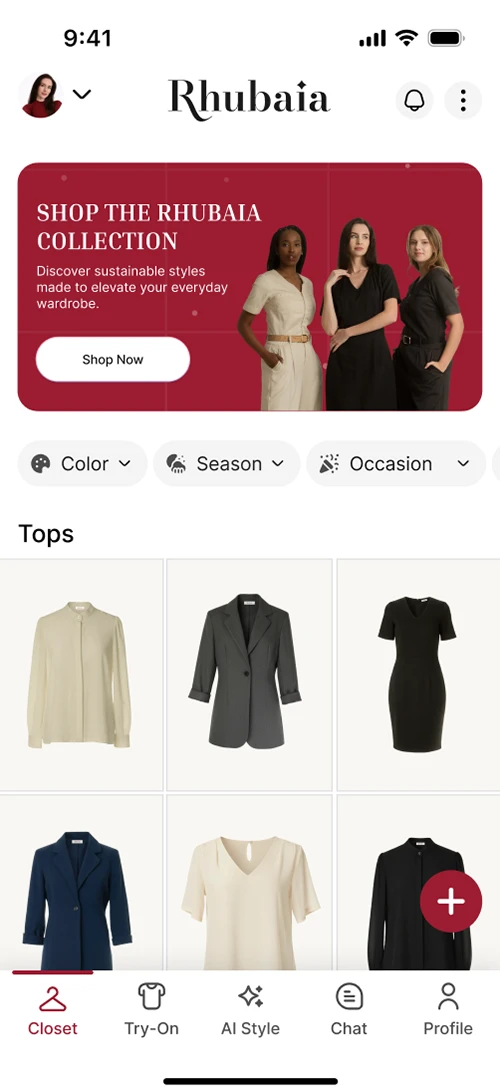
Teachers can evaluate how a new piece coordinates with their existing wardrobe, experiment with combinations, and assess versatility—all in a cost-effective way, and without contributing to unnecessary returns or textile waste.
This flexible model reflects a shift from isolated purchases to intentional wardrobe ecosystems where physical garments and digital tools work together.
Modelling Responsible Consumption
Students observe more than lessons. They also absorb values. That’s why, when teachers model care for personal well-being, intentional consumption, long-lasting garment choices, thoughtful use of technology, and environmental awareness, they’re reinforcing principles that extend far beyond curriculum.
Supporting teachers doesn’t always require sweeping reform. Sometimes it begins with reducing invisible stressors and protecting everyday health.
Clothing shouldn’t introduce unnecessary chemical exposure, financial strain, morning anxiety, or environmental harm. It should support movement, confidence, clarity, and longevity. When educators feel physically comfortable, mentally prepared, financially confident in their purchases, and aligned with their values before they leave home, the entire school community benefits.
Sustainable design combined with smart wardrobe innovation is not about fashion trends. It is about caring for the people who care for our children—protecting their health, preserving their time, and reducing textile waste one intentional choice at a time.

Lacey Cadieux-McLean is on a mission to transform how women experience professional clothing. Frustrated by the lack of garments that are safe, stylish, functional, and sustainable, she founded Rhubaia Ventures, a Calgary-based fashion-tech company that bridges the gap between eco-conscious apparel and intelligent digital tools.