

Subscribe from $5.99
0,00 USD

No products in the cart.

Teacher’s Pet: March/April 2025

Advertisement

Originally published in TEACH Magazine, March/April 2025 Issue

Name: Emma
Age: 9 years
Breed: Schnauzer/Poodle Mix
Characteristics: precious, gentle, loving
Location: Texas, USA
Parent: Maryanne S.

Name: Layla
Age: 15 years
Breed: Beagle Cross
Characteristics: intelligent, soft, ruled by her nose and stomach
Location: British Columbia, Canada
Parent: Corrie W.
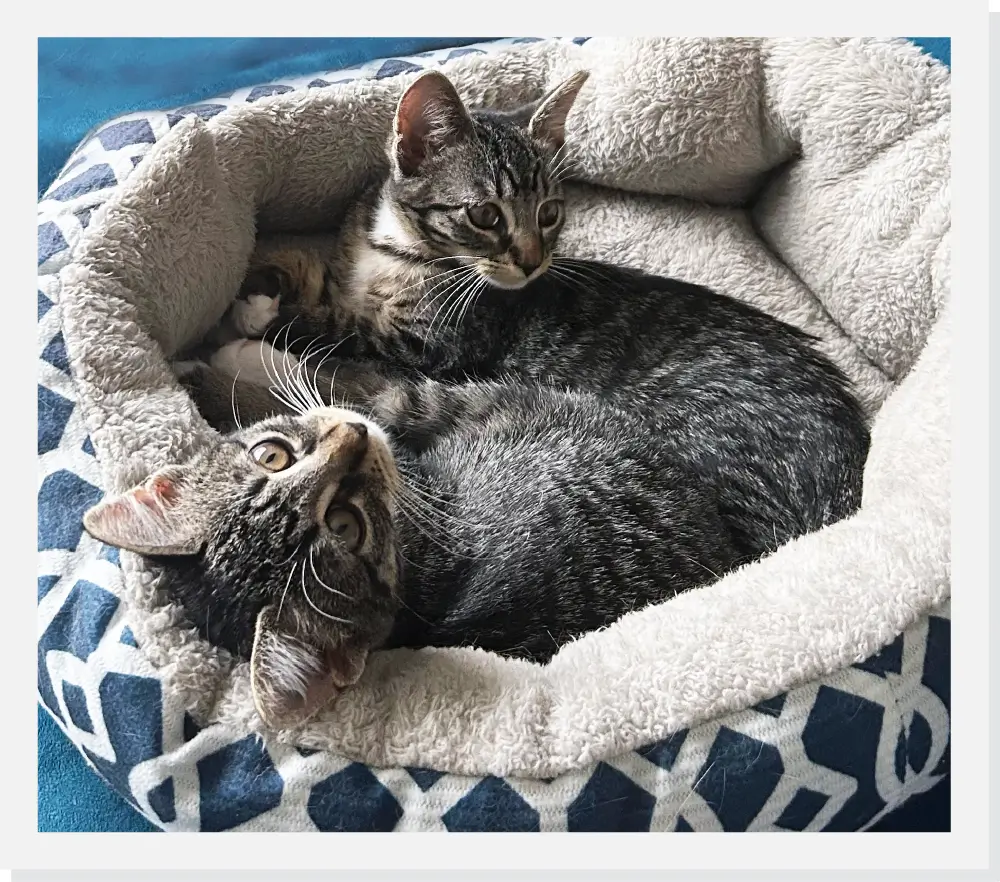
Names: Mardi & Lundi
Age: 1 year
Breed: American Shorthair
Characteristics: overactive, endearing, affectionate
Location: Louisiana, USA
Parent: Chelsea C.

Name: Sugar
Age: 2 years
Breed: Syrian Hamster
Characteristics: washes her hands before she eats, picks up any food from the floor of her cage and puts it back in the bowl before eating
Location: Ontario, Canada
Parent: Marilena M.


If you’d like your pet to be featured, check out the submission guidelines.

TEACH is the largest national education publication in Canada. We support good teachers and teaching and believe in innovation in education.

Education News

Social Media, Identity, and Power in the Digital Age: Youth-Led Conference on March 22

This free virtual event for Grades 8–12 will explore how social media influences identity, power, culture, entrepreneurship, and digital well-being.

A Slice of Learning: Mathnasium and Pizza Pizza Celebrate Pi Day

National Pi Day partnership brings hands-on math experiences and a chance to win a $3,140 scholarship and $314 Pizza Pizza gift card.

How to Boost Participation in Physical Activity for Autistic Youth

Researchers investigating how to increase participation in physical activity by autistic children say key strategies include creating predictable routines, involving family members, and ensuring safe and sensory-friendly spaces.

Registration Now Open for Free Global Math Competition on March 24

World Maths Day, the world’s largest online mathematics competition, kicks off on March 24. Over the years, this fun, free international celebration of math has seen over 10 million students answer more than 1 billion questions.

Natural History Institute and Prescott College Partner to Offer Naturalist Certification Program

The unique Mogollon Highlands Naturalist Certification program is designed to cultivate deep connections to nature, place, and community through the practice of natural history.

The Data Is Clear: Students Want Job Outcomes and U.K. Universities Are Listening

Is going to university still worth it? That’s a question I hear more and more often these days. The answer increasingly depends on what a student wants from that degree.
TEACH Mag
TEACH Mag
TEACH is the largest national education publication in Canada. We support good teachers and teaching and believe in innovation in education.

Advertisement

Read More

Social Media, Identity, and Power in the Digital Age: Youth-Led Conference on March 22

This free virtual event for Grades 8–12 will explore how social media influences identity, power, culture, entrepreneurship, and digital well-being.

Absenteeism Is Predictable. We Must Learn to Read the Patterns.

Absenteeism is predictable. The signs are there. You just need to know how to read them.

Why You Should Use Poetry with Older Students

Poetry is not some niche subject to be avoided with older English-language learners. On the contrary, it’s a versatile and powerful tool.

Professional Learning in 2026: Balancing Innovation, Coherence, and Teacher Voice

The traditional model of mandated, one‑size‑fits‑all workshops is giving way to professional learning that is more responsive, curriculum-aligned, and customized to each educator’s experience and goals.

A Slice of Learning: Mathnasium and Pizza Pizza Celebrate Pi Day

National Pi Day partnership brings hands-on math experiences and a chance to win a $3,140 scholarship and $314 Pizza Pizza gift card.

How to Boost Participation in Physical Activity for Autistic Youth

Researchers investigating how to increase participation in physical activity by autistic children say key strategies include creating predictable routines, involving family members, and ensuring safe and sensory-friendly spaces.