By Niki Campbell
As a burnout survivor and business owner who has worked with 30 school districts and more than 2,500 teachers and school staff, I know first-hand the health impact that unchecked stress has on individuals, especially teachers. I’ve also seen the positive impact that a culture of wellness can have on a school community. That healthy environment creates a ripple effect that extends to school families and the broader community.
It may come as little surprise to learn that K–12 educators are the most burned-out specialists in the United States. A 2024 RAND survey of nearly 1,500 teachers found that 60 percent of K–12 educators are burned out.
It’s a concerning state of affairs for an essential group of professionals who impact the trajectory of children’s lives. A teacher can make a significant influence on a student’s self-efficacy, confidence in the classroom, and happiness in school.
However, for many teachers in the U.S., their profession has come to symbolize dedication met with little recognition. Educators struggle with mounting workloads, insufficient support, and emotional strain; the ripple effect results in diminished student success, disrupted school culture, and financial stress.
For students to thrive and schools to achieve their desired outcomes, educator wellness is crucial to the overall health of school communities. Since educators are big on heart, but little on time, here are some fast, simple, and practical ways that schools can help teachers reduce stress and burnout.
1. Improve Work-Life Balance
Regularly assess teachers’ workload to identify any non-essential tasks. What can wait until next month? What can be offloaded, and what are the absolute musts? Offer personal days or mental health leave without stigma, while creating incentives for teachers to earn extra PTO.
Promote work-life benefits, such as EAPs (employee assistance programs). EAPs provide free and confidential assessments, counseling, referrals, and other services to help employees improve their overall well-being, leading to increased productivity, morale, and reduced absenteeism.
2. Promote Employee Wellness
Provide free education and resources around wellness, such as workshops, health fairs, and experts to share information on self-care; this helps set healthy examples in the workplace. The resources can also be as simple as stocking healthy snacks in the break room, advocating for mindfulness breaks, and hosting wellness-in-service programs, such as yoga and meditation.
Schools can even encourage movement breaks, which lead to improved mood, focus, and productivity. A movement break can be as simple as shoulder shrugs, seated spinal twists, wrist and finger stretches, or more.
3. Create a Positive Environment
Celebrate small wins. Acknowledging teacher and staff contributions publicly tends to boost morale, as does recognizing employee birthdays, work anniversaries, and life celebrations.
Many parents also enjoy helping out with special days throughout the year. Collaborate with them and gather contributions to buy gifts for teachers during Teacher Appreciation Week.
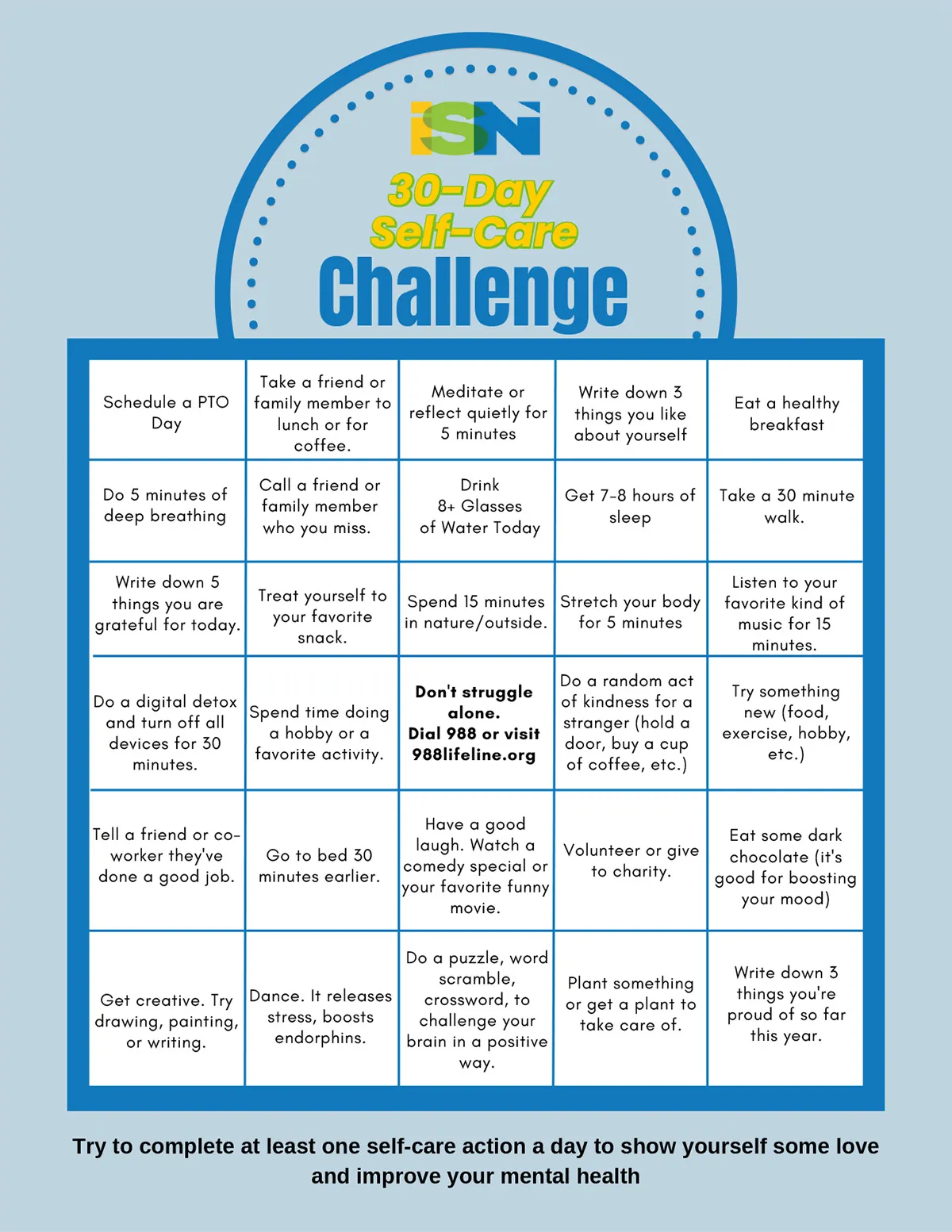
Additionally, school leaders can distribute bingo cards to encourage self-care among teachers and staff.
4. Build a Resilient School Community
Partner with local gyms or wellness centers to offer discounted memberships for teachers. Or host monthly “wellness” forums for teachers to share ideas and healthy recipes. Schools can also offer on-site wellness classes such as breathwork and meditation. This will help create a supportive and safe environment where all staff and teachers can feel heard and valued.
Wellness for educators doesn’t have to be cumbersome in terms of effort or investment. By consistently focusing on small things, school leaders can create a healthy, happy, and flourishing school community.

Niki Campbell, MS, is founder and CEO of The Flourish Group. She is also an award-winning keynote speaker, workplace wellness strategist, work-life integration expert, and communications leader.