Despite expectations that students master basic reading proficiency by third grade, many continue to struggle with reading into upper elementary school and beyond. A recent study was commissioned by the Advanced Education Research and Development Fund (AERDF), a national non-profit pursuing evidence-based breakthrough innovations to improve PreK–12 education. Their study found that Grade 3–8 teachers report that 44% of their students frequently have difficult decoding the instructional materials used in their classrooms.
The Decoding Threshold
To gain deeper insight into why so many older students continue to face reading challenges, AERDF’s Reading Reimagined program partnered with ETS Research Institute to further study an intriguing relationship between older students’ foundational literacy skills and their reading comprehension—which ETS scientists first identified in a landmark 2019 study. The new findings elaborate on a key factor contributing to the challenges older students face: the decoding threshold. The new report, The Decoding Threshold: Measuring the Roots of Older Students’ Reading Difficulties: New Evidence, shows that this threshold is a significant barrier to older students achieving reading proficiency.
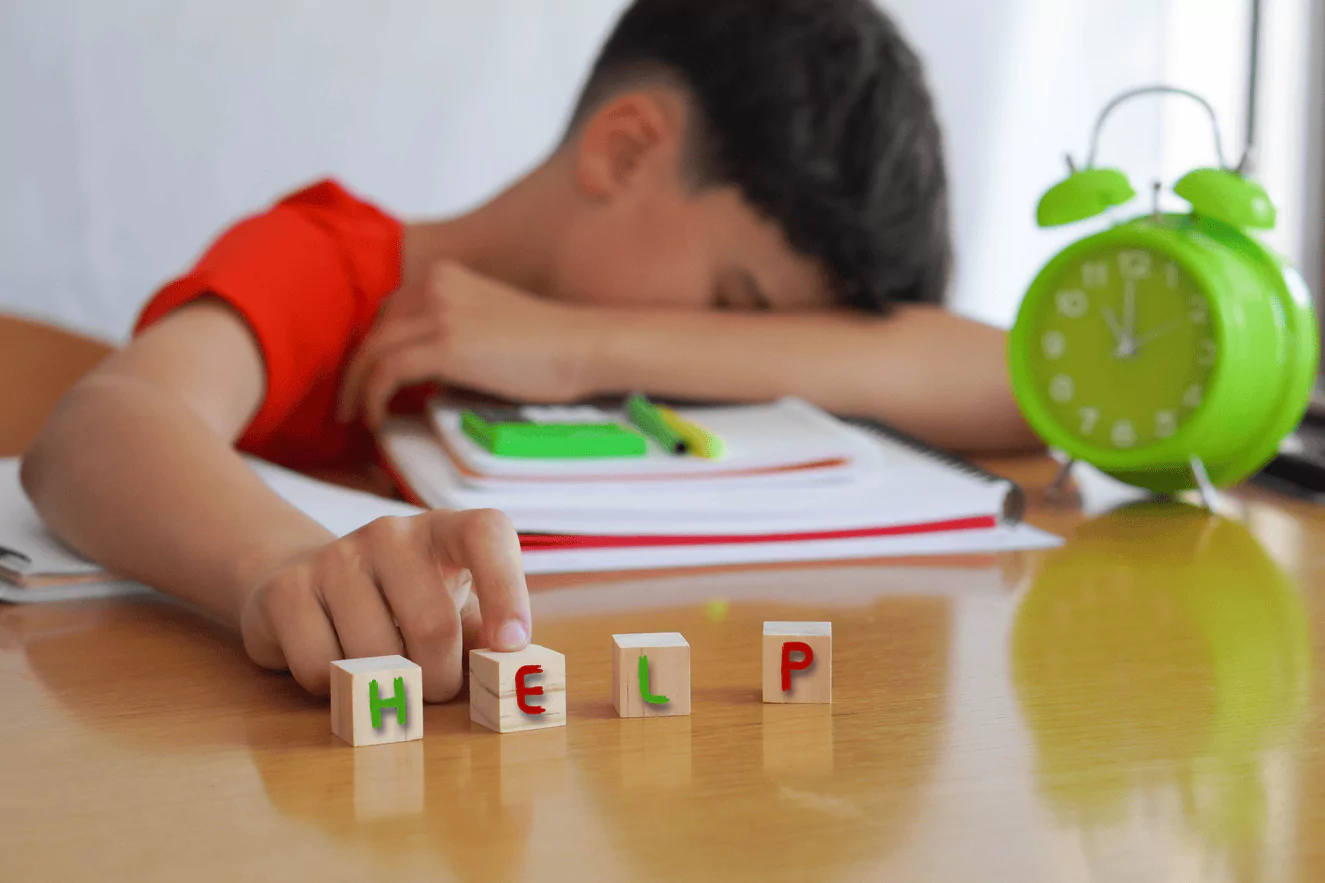
The “decoding threshold” refers to the point at which students can read text accurately and efficiently, allowing them to independently comprehend grade-level text. It represents a crucial benchmark for assessing student reading ability, as it uncovers a potential barrier to comprehending complex texts. The new analysis indicates that students whose comprehension skills are below this threshold struggle with reading comprehension, and are often unable to show growth in comprehension, even with continued direct instruction.
Research Findings: The Impact of the Decoding Threshold
The Reading Reimagined program is a research and development initiative focused on ending illiteracy by improving instructional resources. It explores the importance of decoding skills in reading development. The report was co-authored by ETS Research Scientist Zuowei Wang, ETS Managing Principal Research Scientist Tenaha O’Reilly, and Rebecca Sutherland, Associate Director of Research at Reading Reimagined, a program of the Advanced Education Research and Development Fund. The research used ReadBasix®, a reading assessment developed by ETS, to assess students’ decoding abilities and the impact on their overall reading skills.

“We know that many students nationwide are struggling to comprehend grade-level text after third grade—and this study provides critical insight into why some students are struggling, and where they’re getting stuck,” said Sutherland. “If a student is unable to decode longer, more complicated text, all of their attention will be devoted to decoding text, and they won’t be able to comprehend what they’re trying to read. The findings give us a clearer understanding of what supports many older students need to read on grade-level.”
Why Early Identification Matters
According to the report, identifying students who need help early is essential for providing effective interventions. Without these foundational word recognition skills, students are unlikely to improve their reading comprehension, regardless of how much time they spend in the classroom.

“It truly takes a village to solve the literacy crisis,” said Kadriye Ercikan, Vice President of Research at ETS. “This partnership demonstrates the immense impact we can make when research is combined with actionable solutions. The report highlights the critical importance of identifying students who need help with decoding skills. With these insights, teachers can better target interventions—bringing us one step closer to ensuring every student can read proficiently.”
For struggling students, targeted interventions that focus on foundational reading skills are critical. That is why foundational decoding skills assessments are essential for identifying ones who need support. Students whose decoding skills are strong enough to be past the threshold may still need explicit instructional support in other aspects of reading, such as building background knowledge, vocabulary, fostering metacognition, and developing the critical thinking and digital literacy skills that will allow them to comprehend texts of increasing complexity.
For more information, visit AERDF’s website. For a detailed explanation of Reading Reimagined’s research base supporting its efforts, read the concept paper here.

TEACH is the largest national education publication in Canada. We support good teachers and teaching, and believe in innovation in education.