This post is sponsored by National Arts Centre
By Ryan E. Drew
As educators, we know how important it is to inspire students by keeping lessons fresh and relevant. Having dated resources won’t only lose student’s interest but may also miss the mark when it comes to inclusivity. We recognize that sourcing new materials and resources can be a challenge for busy teachers, which is why Canada’s National Arts Centre (NAC) wants to help.
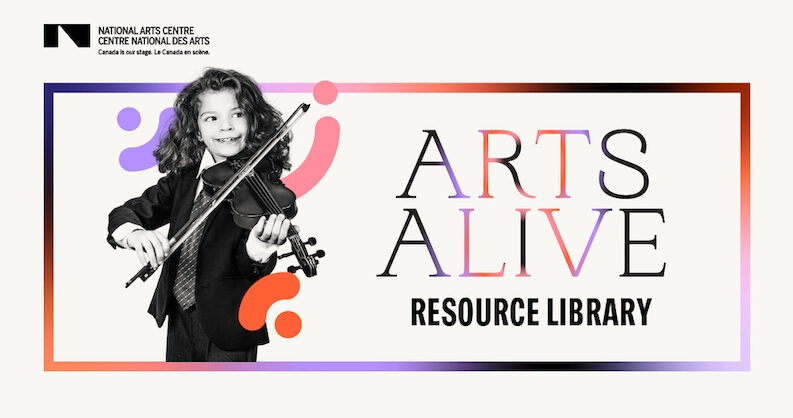
With the launch of the new digital Resource Library, the NAC is providing a trove of refreshed, accessible resources designed to make teaching easier and learning more meaningful for K–12 classrooms. Whether you’re revamping an old lesson plan or workshopping a new activity, the Resource Library is created to support educators just like you.
Your partner in modernizing lesson plans
Looking for exciting lesson plans that resonate with your students? The NAC Resource Library offers a wide array of ready-to-use plans, video-on-demand series, printables, and comprehensive resources from the NAC Orchestra, Dance, and English, French, and Indigenous Theatres. These resources have all been updated with accessibility and interactivity at its core.
Our revised platform includes cherished resources from earlier collections that have been revitalized and digitized. From the NAC Orchestra’s Let’s Go Mozart to Amalkay: Bringing Mi’kmaq Music and Dance into the classroom by Julie and Richard Pellissier-Lush, these assets provide cultural richness and technical ease for educators everywhere. You can discover more modified and newly accessible programs in our digital Resource Library!
Refreshing your resources
Curious about our approach to revitalizing well-worn classroom materials? The NAC focuses on three essentials: content, delivery, and connection. You can follow our guidelines to evaluate and refresh the teaching resources in your collection.
- Content: Teacher resources often reflect the time they were created, which can mean outdated or limited perspectives (including Eurocentric, heteronormative, and other biased perspectives). Take a closer look to evaluate your resource for inclusivity. Does it reflect diverse voices, resonate with today’s multicultural classrooms, and challenge stereotypes? If you identify gaps, refresh them with new ideas and examples that better connect with your students today.
- Delivery: Even great lessons can fall flat if the technology doesn’t work or isn’t updated. Make sure links, videos, and other digital tools run smoothly, and check that images and printouts are clear and easy to use. Treat your resource as what Maria Montessori called a “prepared environment,” where every element is designed to support independent learning and minimize distractions. A well-designed, easy-to-navigate resource keeps students focused on the content, not on technical issues.
- Connection: Make sure your resources are aligned with your students’ current curricular standards and their interests, learning, and development. Enhancing accessibility to meet the needs of all learners—visual, auditory, and kinesthetic—through small, impactful adjustments can create a better learning environment for all.
Revitalizing your resources provides students with more opportunities to embrace choice and reflection, helping them connect their classroom goals to broader educational priorities. Empower your students to take ownership of their learning by prioritizing a student-first approach that sparks creativity and celebrates their individuality.
Visit the NAC Resource Library!
At the NAC, we’re just getting started. We have an exciting lineup of educational projects underway, with new releases planned for the Resource Library throughout the year.
Ready to dive in? Check out how the National Arts Centre is revitalizing our resources to bring timeless lessons into your modern classroom.

Ryan E. Drew is Teaching Artist and Arts Alive Resource Library Manager at Canada’s National Arts Centre. He also teaches Music and Inquiry Studies at the University of Prince Edward Island while pursuing an interdisciplinary PhD at the University of New Brunswick.