 Yearly Digital Subscription
  Monthly Digital Subscription
 By Suzanne Stone and Brett Fox
“What is cancer? Is it the same thing as getting sick? Why is my best friend not in school anymore?”
Classroom curriculum doesn’t account for a student’s cancer diagnosis. When a classmate is sick, how can children help?
A Missing Piece
Suzanne Stone, President and CEO at Livestrong, and Brett Fox, Director of Operations and Philanthropy at Hopecam—two non-profits that have uplifted cancer survivors’ quality of life for decades—noticed a gap in children’s cancer education. Other books explore how a child feels when a family member is sick, but there were no books that focused specifically on the classroom.
Teachers and parents needed an age-appropriate tool to explain to children what cancer is and how they can be a friend to a peer facing a serious illness. With this gap in mind, My Brave Friend: Emma and Noah Face Cancer Together came to life.
The story, written for children in kindergarten through second grade, follows Emma and Noah, best friends who spend their days swinging on the monkey bars and taking care of their class pet, Izzy the Lizard. One day, when Emma is absent from school, Noah discovers she has cancer. With the help of his parents, teacher, and friends, Noah learns what cancer is and how he can be there for Emma. Together, they find ways to bring happiness and comfort to Emma during her treatment.
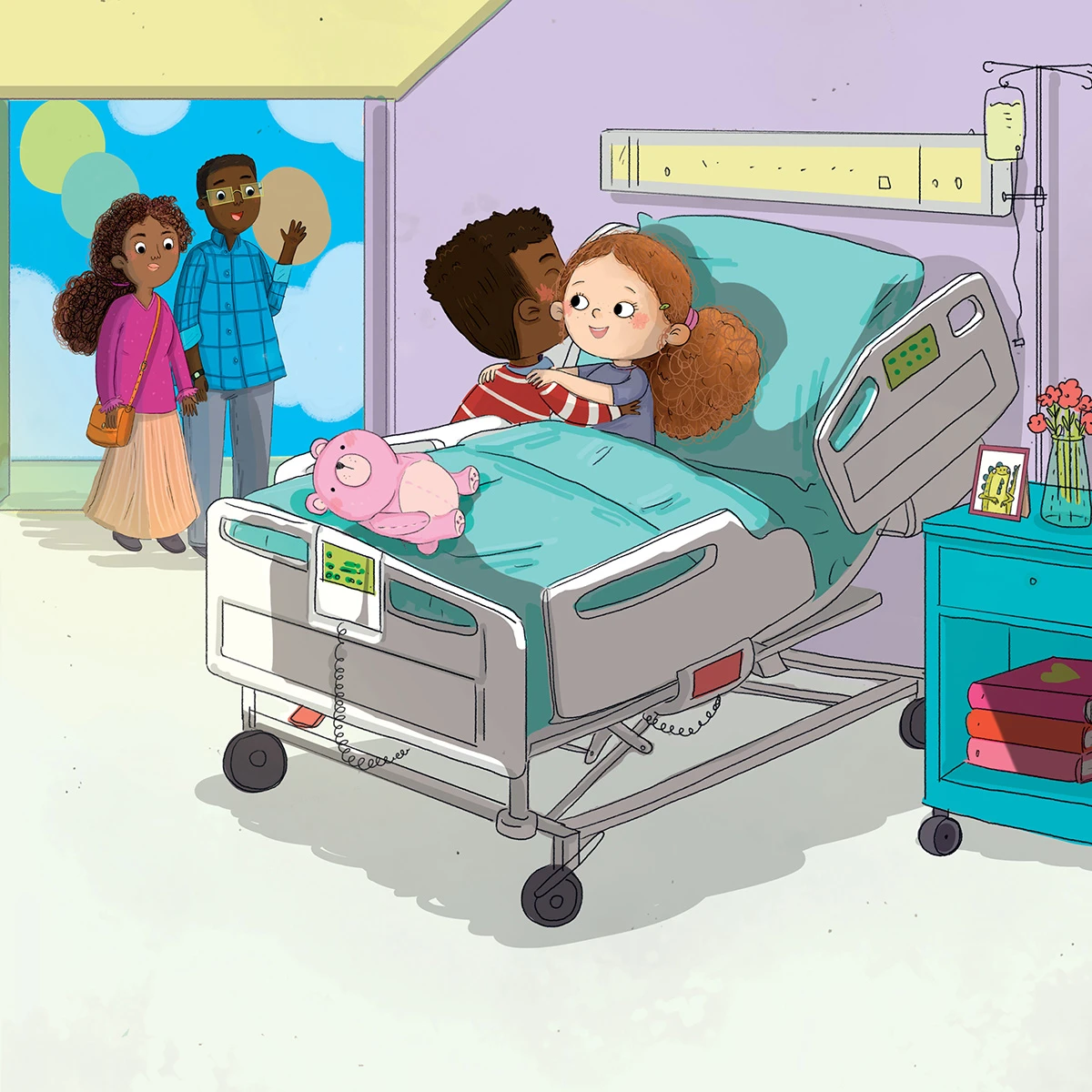
“Cancer diagnoses among adolescents and young adults are rising, and the impact goes beyond the child diagnosed—it ripples out to their classmates, teachers, and community,” said Suzanne Stone. “With My Brave Friend, we want to equip children with the language, empathy, and courage to support one another through life’s hardest moments.”
More than Storytime
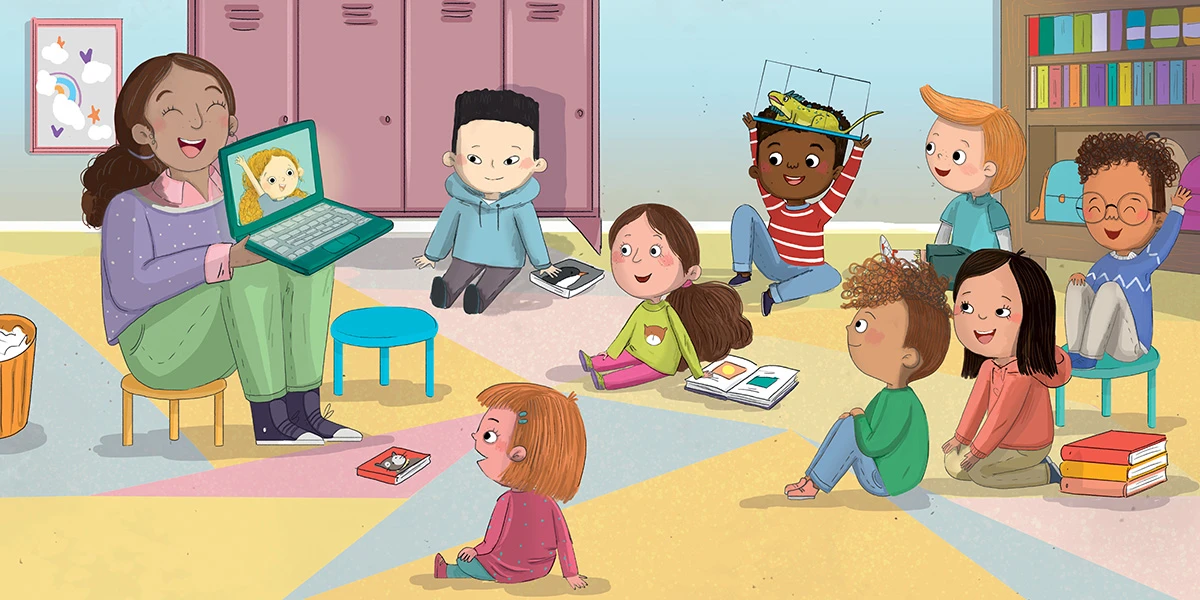
Not only does My Brave Friend empower educators with the language to spark candid conversations about cancer, it provides tangible ways that children can support their own brave friends who are facing illness. Emma’s teacher Ms. Perez ensures she doesn’t feel left out by bringing her into the classroom on video chats, and her classmates brighten her mood by creating colorful cards with words of encouragement. These simple actions can make a world of difference for a student facing cancer, bringing a welcome sense of familiarity during a time of uncertainty.
“Navigating a friend’s illness can be confusing and overwhelming for young minds. My Brave Friend provides a thoughtful, age-appropriate way to talk about cancer while celebrating the strength of friendship,” said Michael Davies-Hughes, a California superintendent of schools.
My Brave Friend is one of many resources Livestrong and Hopecam offer for children affected by cancer. Livestrong at School is a free K–12 cancer education curriculum that provides age-appropriate lessons to help students understand the cancer journey. Hopecam virtually connects children with cancer to their classmates and peers by providing tablets, laptops, WiFi access, and other resources at no cost to families.
My Brave Friend: Emma and Noah Face Cancer Together is available now at MyBraveFriend.com.

Suzanne Stone is the president and CEO of Livestrong, dedicated to ensuring everyone affected by cancer has the resources they need to have a high quality of life. In her free time, Suzanne enjoys traveling, attending sporting events, and tending to her saltwater aquarium and fish.

Brett Fox is a book lover, former children’s librarian, and proud advocate for kids fighting cancer at the Director of Operations and Philanthropy at Hopecam. She lives in Northern Virginia with her husband, two sons, and cat, Sasha.