Originally published in TEACH Magazine, Equal Love, Equal Rights: 25th Anniversary of the Modernization of Benefits and Obligations Act Special Issue, 2026
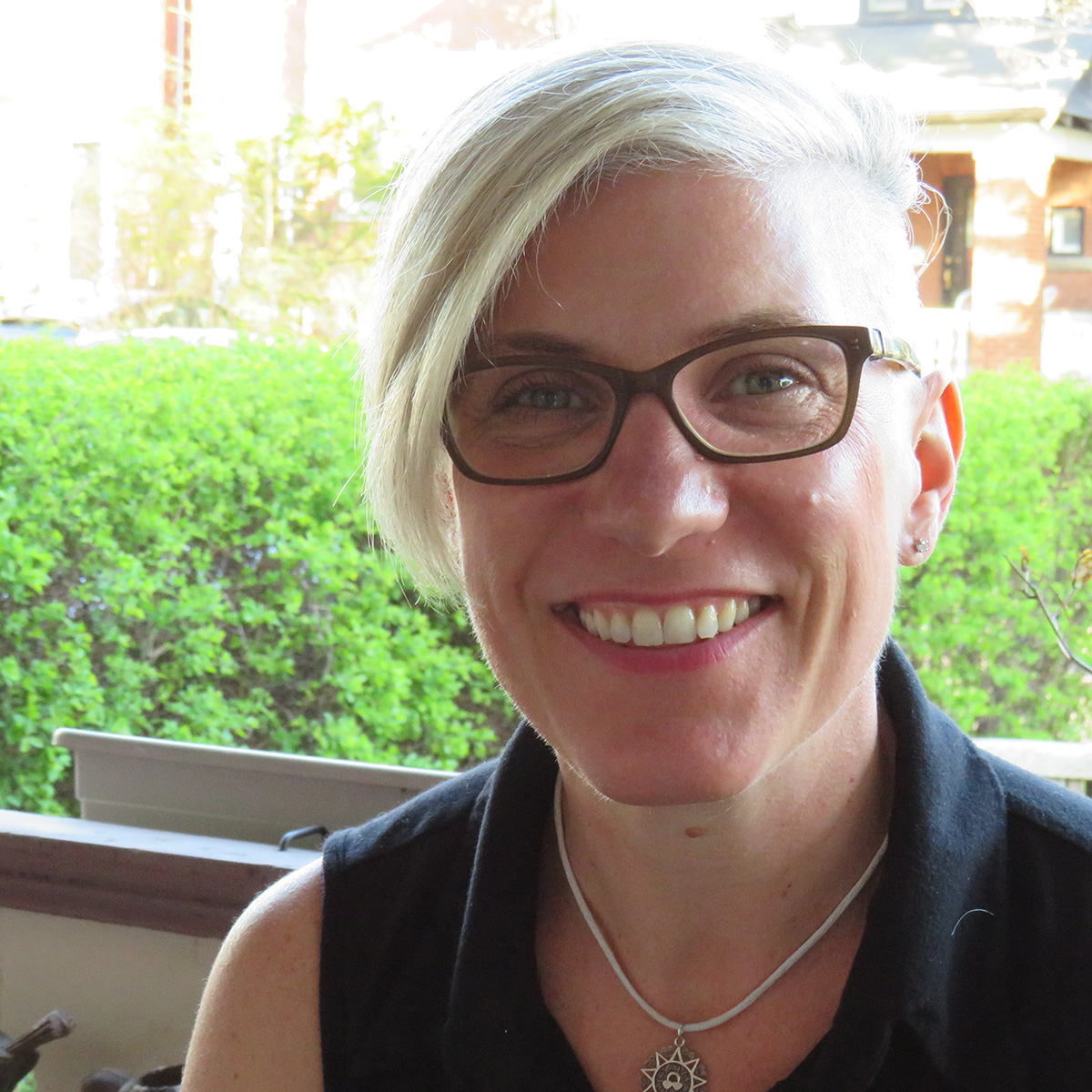
By Christine L. Cho
Times have changed since I first became an elementary teacher 30 years ago. Most teachers back then kept their sexuality a deep, closeted secret. It wasn’t safe to be out (and maybe still isn’t for some teachers across Canada).
But today, in my current role as a full tenured professor in the Schulich School of Education, I see the pride with which my students—future teachers—are able to be their authentic selves both inside and outside of the classroom. Today’s teacher candidates are much more open-minded. I no longer hear comments like, “What if I don’t believe in homosexuality?”
It’s been 25 years since Bill C-23, the Modernization of Benefits and Obligations Act, was passed. I can honestly say, as a straight cisgender woman, I didn’t pay too much attention to it at the time. That was my unexamined privilege showing. What I do remember was the pushback from Conservative politicians as Bill C-23 was being debated. Some asserted that passing the bill would be the end of the Marriage Act; that it was an affront to “traditional” concepts of family.
I couldn’t fathom that kind of thinking. Even though the bill was a milestone achievement, given the conservative nature of elementary and secondary schools at the time, those I knew in same-sex relationships certainly weren’t rushing to disclose their status to Human Resources benefits departments.
The LGBTQIA2S+ teachers I knew were only out to a select few—and rarely to their administrators. They worried that their lives at school might be made difficult (given a challenging teaching load/schedule, less support when dealing with difficult students/parents/caregivers, etc.) or worse, that they might be fired.
While Bill C-23 was primarily focused on the recognition of same-sex couples and their access to benefits and protections, its broader societal impact helped set the stage for changes in education and LGBTQIA2S+ representation in Canadian schools.
Shifting Mindsets
By the late 1990s, I remember that teachers were beginning to see increased pressure from LGBTQIA2S+ advocacy groups, such as Egale Canada, to implement inclusive policies and anti-bullying measures in schools. This was often met with resistance—as was the case in the elementary school where I taught. Some teachers felt uncomfortable with the content, while others were convinced that elementary students were too young to know they were gay, and therefore we didn’t need to do anything (despite the fact that we had a trans student in the school).
Over time, however, the continued advocacy and focus on anti-bullying in education led to the formation of Canada’s first Gay-Straight Alliance (GSA) at Pinetree Secondary School in Coquitlam, BC. It wasn’t long before high schools across Canada saw a significant increase in the formation of GSAs (which are now referred to as Gender and Sexuality Alliances).
Today, school boards are required to help any student wishing to start a GSA. These student-run clubs are vital for offering support, providing safe spaces, and advocating for LGBTQIA2S+ rights within schools. They also play an important role in educating the teachers.
As I think about the evolution of GSAs, I also think about how language is constantly changing. Today, my students know what all the letters in “LGBTQIA2S+” stand for. It’s when I provide them with a lengthy PowerPoint on what the “+” could represent that their heads begin to spin—and I’m sure the document will only continue to grow as new understandings emerge.
Expanding our concepts of what society deems acceptable and how people wish to be identified also means having conversations about the needs of transgender and non-binary students, particularly around issues like gender-neutral bathrooms, pronoun use, and sports participation.
These are issues that simply weren’t part of staffroom conversations 25 years ago. They’ve been a huge shift for schools, and have launched some heated debates, at least in my classes. Teacher candidates are alarmed that some schools only have a gender-neutral staff washroom, and worry about the optics of a student using the same washroom as their teacher.
I ask teacher candidates, when they go out on practicum, to see what the policies are in their schools with respect to LGBTQIA2S+ support services. How do teachers navigate the changeroom for gym, for example? They usually come back surprised at just how much support is out there, and how much has changed since they were young.
LGBTQIA2S+ Literature
In the university classes I teach, I often refer to the 2002 story of James Chamberlain, a teacher in British Columbia who challenged the Surrey School Board’s ban on LGBTQIA2S+ books by requesting to use three of them in his primary classroom. The school board refused, citing the religious beliefs of a few parents and what they perceived as content that was too mature for Grade 1 students. Chamberlain took the school board to court.
Ultimately, the Supreme Court of Canada ruled in his favour, stating that the moral objections of some parents were not a valid basis for a ban. The Court also noted that learning about differences actually enhances a child’s education and fosters respect for those who are different.
Textbooks in the 2010s began to include stories and information about LGBTQIA2S+ individuals, and LGBTQIA2S+ history started to be taught in many classrooms (including the history of gay rights activism and HIV/AIDS awareness), which has had a normalizing effect. We also saw an increase in LGBTQIA2S+ children’s literature, such as Simon vs. the Homo Sapiens Agenda by Becky Albertalli and I Am Jazz by Jessica Herthel and Jazz Jennings.
Today, online resources such as the Canadian Children’s Book Centre offer yearly Rainbow Book Lists featuring Canadian authors. Scholastic Canada presents a selection of books on their Read with Pride webpage, and the publishing company Strong Nations showcases Indigenous and First Nation titles with LGBTQIA2S+ content. TEACH Magazine also keeps a collection of lesson plans that focus on equity and inclusion and are centred around Canadian books.
The Educational Landscape of the Future
In September 2023, I received quite a few frantic emails from my students. They had been made aware of the 1MillionMarch4Children rallies being held at schools to protest what organizers called “gender ideology,” and wanted to miss class to attend, in order to show their support for LGBTQIA2S+ rights.
The protests, triggered by policy changes first in New Brunswick then in Saskatchewan, demanded that transgender and non-binary students under 16 get parental consent before their teachers could use their preferred first names. My teacher candidates who attended one of these rallies asked if they could have some time in class to educate their peers on what was fueling the protests. I welcomed such a discussion.
The passion I saw in these future educators cemented my belief that things really have shifted over the years, despite the steps backward in some provinces like Alberta which, in 2024, introduced three new bills that directly impact transgender students.
Bill 27, the Education Amendment Act, would prohibit teachers from using a student’s preferred pronouns or name without notifying their parent(s). It would also require parental permission for children to be instructed on topics involving gender identity, sexual orientation, and human sexuality. Bill 26 limits access to health care, in particular for trans surgery, and Bill 29 bans transgender athletes from competing in non-coed leagues.
But in spite of these bills, there are reasons for hope. I find those reasons in my students. Compared to 25 years ago, the future educators I work with today are much more comfortable talking about LGBTQIA2S+ related topics, and readily share resources and ideas with each other, affirming all their future learners.
I see my students taking more of an advocate position, engaging in meaningful discussions about how to support trans students, for example. They are consciously and proactively seeking out inclusive resources both inside and outside of the classroom. They ask difficult questions because they want authentic answers. They want to challenge their colleagues to be more accepting and understanding, and in doing so, are slowly reshaping the educational landscape.
Since Bill C-23 passed 25 years ago, LGBTQIA2S+ representation in educational settings across Canada has evolved from a point of legal recognition and limited policy focus to a more inclusive, supportive, and visible presence. Canada has made substantial progress in integrating LGBTQIA2S+ issues into school curricula, promoting safe spaces, and providing resources for LGBTQIA2S+ students. The ongoing advocacy and legal protections, while being tested, continue to shape a more inclusive and equitable educational environment.
We’re seeing a reflection of a broader societal shift toward acceptance and recognition of LGBTQIA2S+ individuals, as well as a growing understanding of the importance of inclusivity in education.
Christine L. Cho, PhD, is a Professor at Nipissing University’s Schulich School of Education. A practicing visual artist and a former elementary school teacher, Christine utilizes visual media and critical pedagogy to expand upon diverse ways of knowing. Her research contributes to current educational conversations on racial, ethnic, linguistic, and LGBTQ+ representation in schools.