By Felix Lloyd
Reading should be one of the most joyful and rewarding parts of childhood. Yet somewhere along the way, we started drawing hard lines around what real reading looks like—and in doing so, we lost sight of what actually helps kids become readers in the first place. However, as more and more educators embrace the idea that reading doesn’t need one rigid definition, there is hope.
Any parent knows that kids go through phases. Their interests shift constantly, what’s “cool” changes overnight, and the ways they connect with stories evolve as they grow. If we want to increase reading engagement with our kids, non-traditional formats like comics, manga, graphic novels, and audiobooks deserve a place in the conversation about what counts as reading.
It’s important to address screen time too—as growing concerns about it are valid. But research tells a more nuanced story. While screen-based reading overall has declined since 2017, digital comics continue to grow, with engagement increasing by 14.3% compared to prior data showing 13.8%. Despite being underutilized in classrooms, comics offer strong visual appeal, connections to popular culture, and opportunities for collaborative reading experiences that many students genuinely enjoy.
Audiobooks tell a similar story. Since 2018, audiobook listening among children has risen by 138%—that’s at least 15 minutes per week being spent reading by over 30% of children! Rather than use them as supplemental materials, audiobooks can remove barriers to access and build vocabulary, fluency, and comprehension.
According to research from the National Literacy Trust, the percentage of children who enjoy reading has dropped to its lowest point in 20 years, with only one in three children choosing to read for fun in their free time. When kids read less, their literacy development slows considerably. If our goal is to raise strong readers, we shouldn’t limit the formats they might actually want to read.
Reading should feel fun, rewarding, and consistent for students, and to accomplish this, we need to broaden our understanding of what makes someone a reader. There is a saying that the more you tell a child “no,” the more they are inclined to rebel against it. Perhaps by positioning traditional text-only books as the gold standard of real reading, we are unintentionally sending the message that other formats don’t count.
Over time, students absorb that message and it becomes harder for them to embrace reading. Reluctant readers, multilingual learners, and students who struggle with traditional text might engage in reading comics, manga, graphic novels, or audiobooks, but feel it makes them less of a reader. The more we dismiss those formats, the harder it becomes for students to embrace reading at all.
This is about the outcomes we want to see. In a time where schools are searching for ways to engage students, non-traditional formats can open more doors than we realize, and can have a positive impact on students’ growth if we allow them to. The question should no longer be whether these reading experiences “count.” The real question is whether we’re willing to meet students where they are so they can discover the joy of reading in the first place.
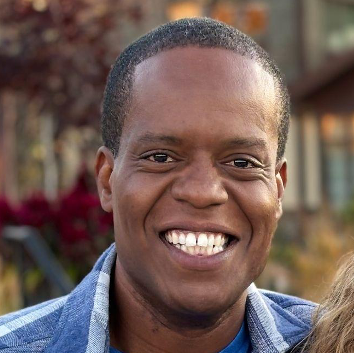
Felix Lloyd, a former Washington, DC, Teacher of the Year and Dean of Students at SEED Public Charter School, co-founded Beanstack and secured an investment from Mark Cuban on ABC’s Shark Tank in 2014.