

Subscribe from $5.99
0,00 USD

No products in the cart.

Empowering Minds: A Fresh Approach to Mental Health in Schools

Advertisement

By Karen G. Foley

Less than half of public schools, 48 percent, report they can meet students’ mental health needs, according to the National Center for Education Statistics. Today’s kids are dealing with a variety of challenges that can impact their mental well-being. These include social media comparisons, online bullying, the lasting effects of the pandemic, exposure to substances, financial difficulties, and possible abuse or family issues at home.

Battling the Unknown

Of all surveyed students, 42 percent report feeling persistently sad or hopeless and nearly one-third experience poor mental health. It’s not just kids living in underserved neighbourhoods.
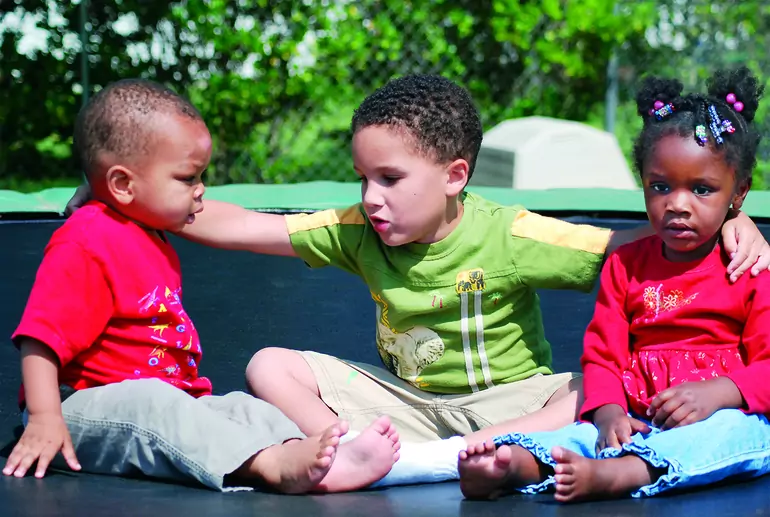
Three young children of varying ethnicities sitting on the ground looking unhappy. One child has his arms around the other two.
Photo credit: JPA

Our kids need mental health support to learn, grow, and thrive. However, with schools being understaffed and overburdened, who steps in to make sure they get the care they need?

The Juvenile Protective Association (JPA) started asking this question a long time ago. For over a century, we have been working diligently to provide much-needed social-emotional and mental health care and support for kids, their parents, and teachers.

We partner with numerous schools in Chicago, providing support to children, educators, and parents. Our model is cost-effective, costing about half of what a school would pay if it hired its own counsellor, and it comes without the drawbacks. We handle the hiring, training, support, and evaluation of our therapists so that schools can focus on academics. We work in collaboration with our schools so they are in the know at all times.
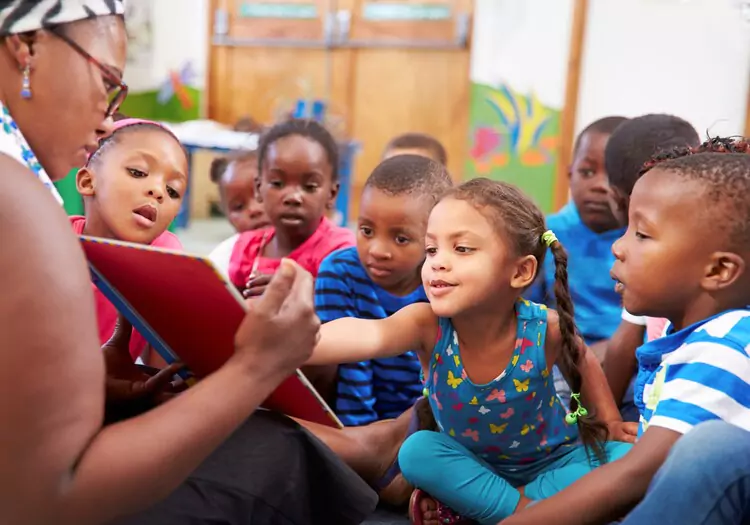
A group of young Black children watching as an adult reads to them.
Photo credit: JPA

The impact has been significant. In schools where our programs are in place, we’ve seen 78 percent improvement across social, emotional, and mental health markers in students.

Support for All

The mental health care crisis doesn’t just affect students. It’s also taking a toll on their teachers. Sixty percent of K–12 educators cite it as their top safety concern. That’s why, JPA launched Connect 2 Kids (C2K) in 2020. C2K provides teachers with the tools they need to better understand their interactions with students. It leads to improved student behaviour and reduced teacher stress.

Teachers in our program meet with a counsellor (a trained mental health specialist) once a week to talk about classroom challenges, cultivate empathy for themselves and the students in their care, and develop support plans. Our consultants also conduct classroom observations, noting important teacher strengths as well as possible areas for attention. In collaboration with the teachers, we identify specific topics for classroom group programming aimed at meeting the social and emotional needs of students.
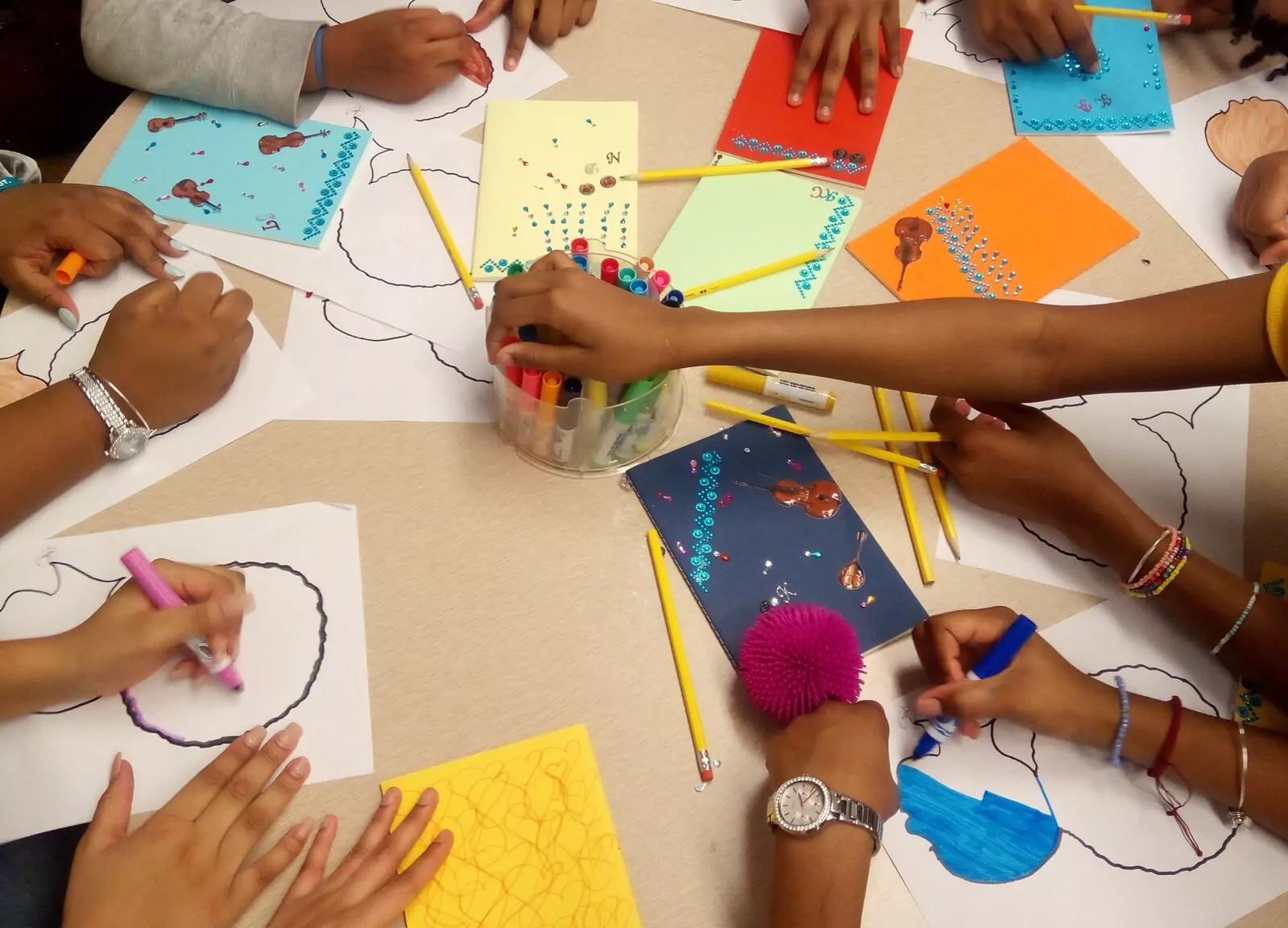
A group of Black students colouring at a big desk.
Photo credit: JPA

Ambitions for Change

We believe that every child is a strong, vibrant, and talented human inside. In the face of a rapidly evolving school mental health crisis, it takes creativity, tenacity, and teamwork to make sure Chicago’s kids have the support they need.

When kids and adults alike have the tools they need to create healthy, supported relationships, they learn more, achieve more, and have brighter futures. We believe every child in Chicago deserves nothing less.

Karen G. Foley, President and CEO of the Juvenile Protective Association, also previously served as President and CEO of The Hope Institute for Children and Families, serving children with autism and developmental delays across Illinois.

Education News

Teaching Children to Be Better, More Critical Internet Users

McGill researchers designed and then tested a program that was shown to improve elementary students’ digital literacy skills.

Common Sense Media Launches Youth AI Safety Institute

The first-of-its-kind AI safety lab focused on children will independently test AI products, broadly publish the results, and set clear standards to protect the safety, health, and development of a generation growing up with AI.

Providing Easy Access to Curriculum-Aligned Indigenous Resources

Ontario’s Niagara Catholic District School Board and Nelson partnered together to support educators who are teaching subjects with Indigenous content.

Controlled Chaos: Lessons in Laughter, Growth, and the Magic of Teaching

“Controlled Chaos” is a collection of stories that will have you in stitches, feeling inspired, and questioning the very idea of what “normal” looks like in education.

Updated Guidance on Responsible Use of Technology in Schools 

The third edition of “Setting Conditions for Success” reflects evolving expectations around AI, student well‑being, and digital citizenship.

Many Canadian Women Wait Years for Adequate Menopause Care, National Survey Shows

The survey findings highlight systemic gaps in care, workplace support, and navigation during midlife health transitions.
Karen G. Foley
Karen G. Foley
Karen G. Foley, President and CEO of the Juvenile Protective Association, also previously served as President and CEO of The Hope Institute for Children and Families, serving children with autism and developmental delays across Illinois.

Advertisement

Advertisement

Read More

Mental Health and Student Attendance: The Intervention Hiding in Plain Sight

A punitive response to a late or absent student, the recorded tardy, the “you’re late again,” doesn’t just fail to help. It adds to the weight a struggling student is already carrying.

Murdoch is Cracking the Case on Student Engagement

Murdoch in the Classroom offers a fresh, distinctly Canadian way to bring story-led, curriculum-connected learning into the classroom.

How Slam Poetry Transforms the FSL Classroom

My FSL classroom is rarely quiet. There’s laughter, music, performance, and sometimes a bit of chaos, but it’s the productive kind. On poetry unit days, students sit congregated in groups, and they transform the space into a “scène de slam.”

Act 47 Is a Promising Start—Now Pennsylvania Must Get It Right

With Act 47 of 2025, the state is advancing towards stronger reading instruction by mandating evidence-based curricula, regular screening in early grades, improved educator training, and intervention plans for struggling students.

8 Ways to Build a Creative Classroom

Creativity isn’t innate—it’s a cognitive skill that all students can develop with time and the right opportunities. While cultivating a creative classroom may seem intimidating, it doesn’t have to be.

How a “Year of No” Allowed Me to Be My Best Teacher Self

This year, I am practicing “no.” Mind you, this isn’t a disrespectful, hands thrown in the air, uncaring “no.” Instead, it’s the most mindful and caring “no” that I can muster.