This post is sponsored by LeFace Entertainment
As educators begin looking ahead to the coming Fall, Murdoch in the Classroom offers a fresh, distinctly Canadian way to bring story-led, curriculum-connected learning into the classroom. Based on the hit CBC series Murdoch Mysteries, the program gives teachers ready-to-use lessons that spark curiosity, creativity, and active student engagement.
Built on one of Canada’s most beloved and enduring television series, Murdoch in the Classroom uses mystery, history, science, invention, and Canadian heritage as entry points for deeper learning. The program moves students out from behind their desks and into active, hands-on inquiry, helping them build creativity, collaboration, critical thinking, and learner agency.
Designed for Grades 5–9, Murdoch in the Classroom includes an introductory lesson that welcomes students into the world of Murdoch Mysteries, along with five ready-to-use lesson options. Each lesson provides the historical background, key ideas, and resources teachers need to get started, while giving students opportunities to make choices, solve problems, and create original work.
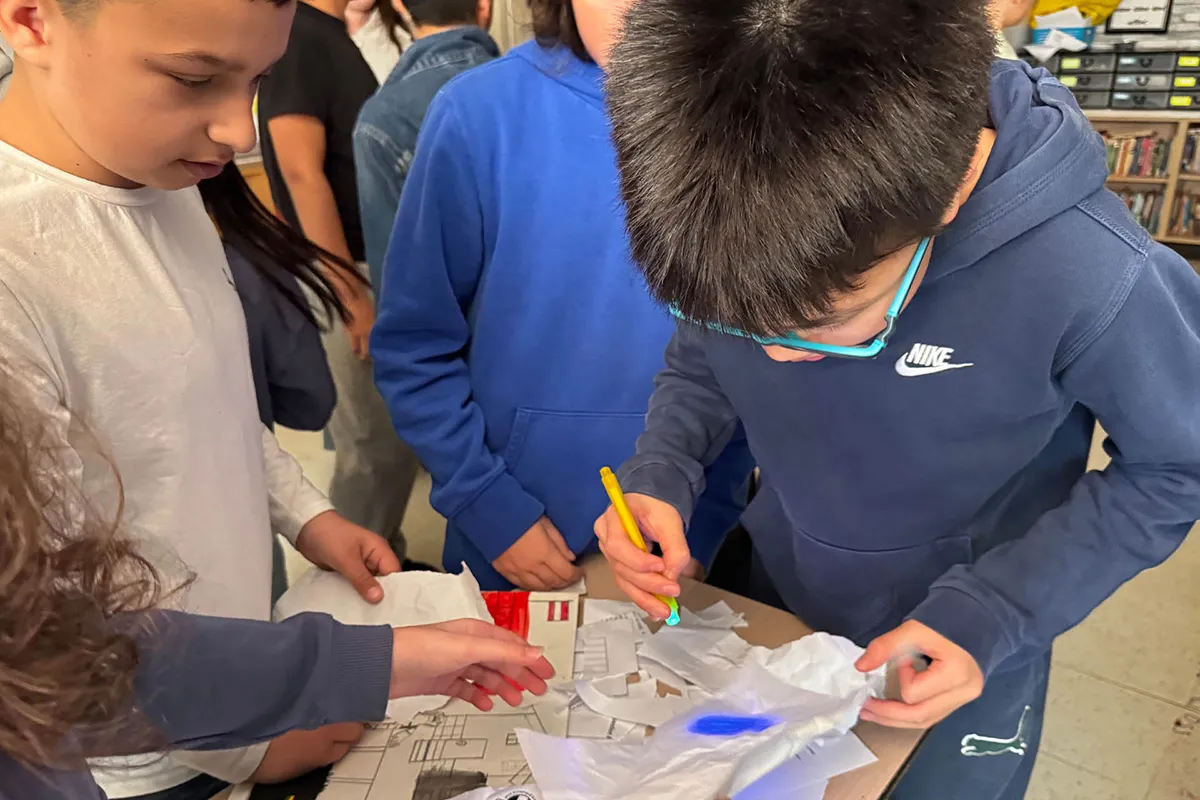
The lessons connect to Language Arts/English, Social Studies/History, Science and Technology, Mathematics, the Arts, Music, Media Literacy, and Digital Literacy. Students might create a new character for Murdoch Mysteries, pitch an episode featuring a historical figure, score a scene with music, design an escape room filled with clues and codes, or gather forensic evidence to help solve a case.
Created by award-winning educator, author, and Universal Design for Learning specialist Kendra Grant (OCT, MET), the project is guided by Dr. Natalie Davey, a professor, researcher, and author in education, with strategic guidance from Bruce Rodrigues, former Deputy Minister of Education, Ontario. The result is a classroom-ready resource designed with real educator needs in mind.
Teachers are already seeing the impact. Bradley Grant, an educator with the Toronto District School Board, called it “the most engaged I’ve ever seen my class.” Marsha Beacock, a Grade 6 teacher with York Region District School Board, has used several lessons and reported strong focus with students that would otherwise be disengaged.
CBC Curio has also recognized the value of the initiative. “In our professional assessment at Curio, Murdoch in the Classroom transforms passive viewing into active, imaginative inquiry, making it an indispensable resource,” said Laraine Bone, Senior Specialist, CBC Curio.

At a time when educators are seeking accessible, memorable ways to support engagement and achievement, Murdoch in the Classroom offers a compelling bridge between Canadian storytelling and curriculum outcomes. Students are invited to ask questions, think critically, make connections, and take pride in what they create.
Educators can explore the program now at murdochintheclassroom.com or through CBC’s learning platform, Curio.ca, and consider how Murdoch in the Classroom could support engaging, cross-curricular learning this Fall. Teachers who try a lesson and complete a short survey to help shape the program may receive swag, be featured on social media, or even be surprised with a virtual cast call-in.
Murdoch in the Classroom is developed by Shaftesbury, producer of Murdoch Mysteries, and produced with the financial participation of the Shaw Rocket Fund and CBC.

TEACH is the largest national education publication in Canada. We support good teachers and teaching and believe in innovation in education.