

Subscribe from $5.99
0,00 USD

No products in the cart.

“I Don’t Like You”: The Moment That Shaped My Teaching Journey

Advertisement

By Sandy Lish

When I was five, my friends wanted to be princesses, firefighters, and soldiers. As for me, I wanted to be a teacher. While they defended the world with action figures and dinosaurs, I spent hours arranging my dolls and stuffed animals in a semicircle, lecturing them as if they were eager students. That childhood passion never faded. Years later, it guided my decision to major in Home Economics Education, now known as Family and Consumer Sciences.

As part of a teacher preparation course, I was assigned to observe children at a nearby laboratory school. This wasn’t a typical public school. For the local families, it offered K–12 education; for aspiring teachers like me, it served as a resource for practical experience.
Subscribe to Keep Reading

🔑 You’re one step away from unlocking premium content.
Subscribe now for as low as $5.99 and get full access!

Subscribe

If you’re already subscribed, please Log In.

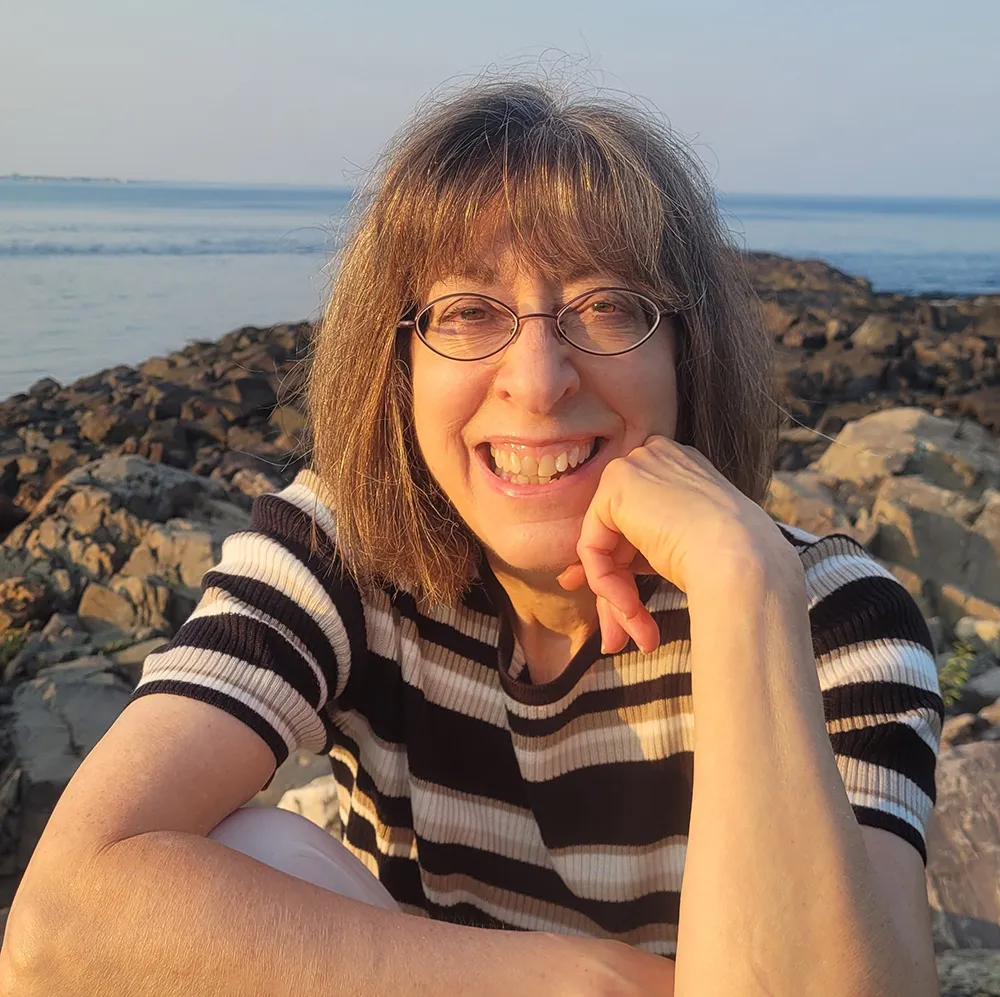
Sandy Lish served as an educator for 38 years and received state and national recognition for her contributions to the classroom and school community. She lives in New Hampshire and writes about the moments that have shaped her life in and beyond the classroom.
Education News

Key Forces Shaping K–12 Learning in 2026

The annual report identifies the top challenges schools must overcome, trends driving innovation, and tools transforming teaching and learning this year.

Indoor Air Quality Policies to Make Schools Healthier and More Energy Efficient

In “A Win-Win for Lung Health,” the American Lung Association outlines ten recommendations to improve energy efficiency and ensure healthy indoor air quality.

Why Eighth-Grade Algebra Access Matters

Access to eighth-grade algebra is far from equal. Many students never get the chance to take it before high school, even when they’re ready.

Connecticut State Department of Education Launches New Music-Infused High School Humanities Course

Developed in partnership with TeachRock, the classroom-ready “Course in a Box” An American History of Rock and Soul offers districts an arts-integrated model course aligned to state standards.

Social Media, Identity, and Power in the Digital Age: Youth-Led Conference on March 22

This free virtual event for Grades 8–12 will explore how social media influences identity, power, culture, entrepreneurship, and digital well-being.

A Slice of Learning: Mathnasium and Pizza Pizza Celebrate Pi Day

National Pi Day partnership brings hands-on math experiences and a chance to win a $3,140 scholarship and $314 Pizza Pizza gift card.
Sandy Lish
Sandy Lish
Sandy Lish served as an educator for 38 years and received state and national recognition for her contributions to the classroom and school community. She lives in New Hampshire and writes about the moments that have shaped her life in and beyond the classroom.

Advertisement

Read More

The Most Powerful Reading Tool? Passion

Here’s how a student’s plea to save the bees helped me become a better reading teacher.

Key Forces Shaping K–12 Learning in 2026

The annual report identifies the top challenges schools must overcome, trends driving innovation, and tools transforming teaching and learning this year.

Free Resources from Canada’s Parliament

To support educators, the Parliament of Canada offers free, bilingual, and classroom-ready resources that can help kickstart conversations about democracy and government.

Indoor Air Quality Policies to Make Schools Healthier and More Energy Efficient

In “A Win-Win for Lung Health,” the American Lung Association outlines ten recommendations to improve energy efficiency and ensure healthy indoor air quality.

Why Eighth-Grade Algebra Access Matters

Access to eighth-grade algebra is far from equal. Many students never get the chance to take it before high school, even when they’re ready.

Sparking Curiosity: How to Transform STEM Learning in Your Classroom

What if getting students interested in STEM doesn’t require different assessments or an entirely new curriculum? What if the real shift comes from rethinking how we invite students to experience STEM in the first place?