

Subscribe from $5.99
0,00 USD

No products in the cart.

Uncomfortable Truths: What If Santa Claus Was Gay?

Advertisement

Originally published in TEACH Magazine, 50th Anniversary of the Decriminalization of Homosexuality in Canada Special Issue, 2019

By Christine L. Cho

Society is not always as accepting as our laws would lead us to believe. Recent revocation of the 2014 Health and Physical Education curriculum in Ontario* is a testament to that fact. I currently teach at a Faculty of Education and often engage in serious, and sometimes spirited, conversations with my Bachelor of Education (BEd) students about LGBTQ+ issues in relation to school.

Sometimes, the concerns we tackle are about content implications, “What happens if a student [writes, says, draws, paints something] that is gay?” This is a curious trepidation for me, but it’s usually quickly followed up with the real concern, “What if a parent gets upset and thinks we are talking about homosexuality in class?”
Subscribe to Keep Reading

🔑 You’re one step away from unlocking premium content.
Subscribe now for as low as $5.99 and get full access!

Subscribe

If you’re already subscribed, please Log In.

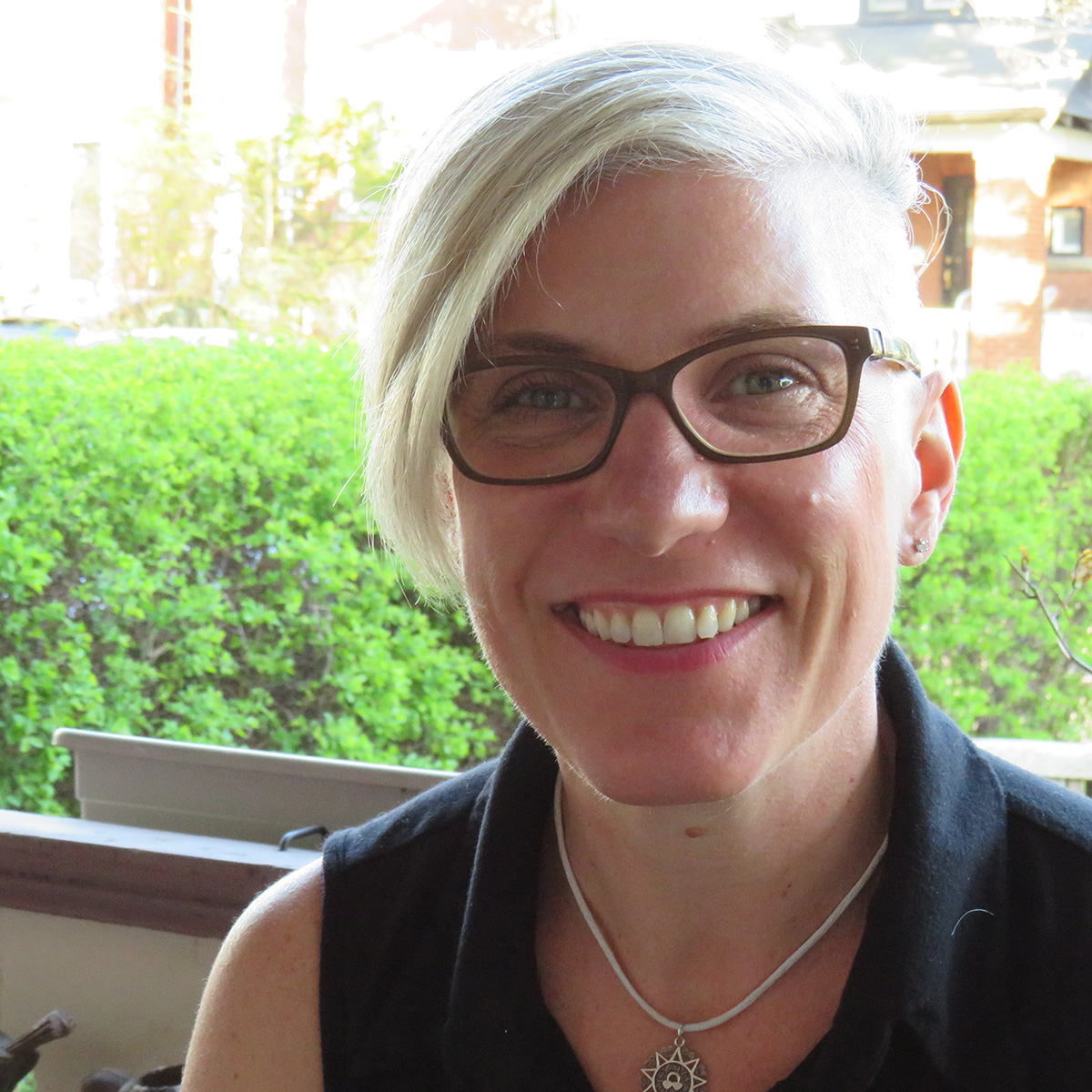
Christine L. Cho, PhD, is a Professor at Nipissing University’s Schulich School of Education. A practicing visual artist and a former elementary school teacher, Christine utilizes visual media and critical pedagogy to expand upon diverse ways of knowing. Her research contributes to current educational conversations on racial, ethnic, linguistic, and LGBTQ+ representation in schools.
Education News

Why Are Older K–12 Readers Struggling?

A new report, based on research from AERDF’s Reading Reimagined program, provides actionable takeaways for policymakers, district leaders, and educators.

Combating the Global Plastic Crisis Through Project-Based Learning

Classrooms around the world transition into centers of innovation as the Unplastify Challenge culminates in student-led strategies for plastic pollution prevention.

Engaging with Banned Books

As book bans increased across the nation, we wanted to counter the narrative that books are dangerous. We sought to collect research and essays on how books fostered understanding, built community, and healed emotional and physical trauma.

Launch of National Youth Apprenticeship Council to Influence Canada’s Skilled Trades Future

The new national Council will bring youth leadership directly into decisions shaping Canada’s skilled trades and apprenticeship system.

New Literacy Solution Helps Districts Engage Families in Improving Reading Outcomes

This structured literacy communication system connects district initiatives, family engagement, and attendance efforts.

Supporting Teachers with Tiny Pep Talks

Teaching is meaningful, important, and filled with joys both big and small. But also, let’s face it, there are days where you could use an extra pep talk (or twenty).
Christine L. Cho
Christine L. Cho
Christine L. Cho, PhD, is a Professor at Nipissing University’s Schulich School of Education. A practicing visual artist and a former elementary school teacher, Christine utilizes visual media and critical pedagogy to expand upon diverse ways of knowing. Her research contributes to current educational conversations on racial, ethnic, linguistic, and LGBTQ+ representation in schools.

Advertisement

Advertisement

Read More

Why Are Older K–12 Readers Struggling?

A new report, based on research from AERDF’s Reading Reimagined program, provides actionable takeaways for policymakers, district leaders, and educators.

The Top Classroom Kits Every Special Education Teacher Should Know About

The best classroom kits for special education teachers are the ones that support a wide range of needs, from communication and motor skills to sensory processing.

How Schools and Families Can Help Fund Childhood Cancer Research

Childhood cancer impacts thousands of families in the U.S. each year, but it continues to be underfunded and depends on philanthropic support.

Why Equitable Ed Tech Requires Infrastructure, Literacy, and Values

Beneath the question of what technologies are good for our students lies the more urgent question of which students stand to benefit?

5 Things Teachers Should Know About Retirement, According to Financial Experts

Many teachers don’t have a detailed financial plan for retirement. But taking a few early steps can make a big difference in how prepared you feel later on.

The Well-Educated Child: An Interview with Deborah Kenny

At a time when teachers are under tremendous pressure to deliver test scores but are concerned about the lack of time for quality teaching, Dr. Deborah Kenny presents a refreshing vision for how schools can produce both.