

Subscribe from $5.99
0,00 USD

No products in the cart.

Teacher’s Pet: January/February 2024

Advertisement

Originally published in TEACH Magazine, January/February 2024 Issue
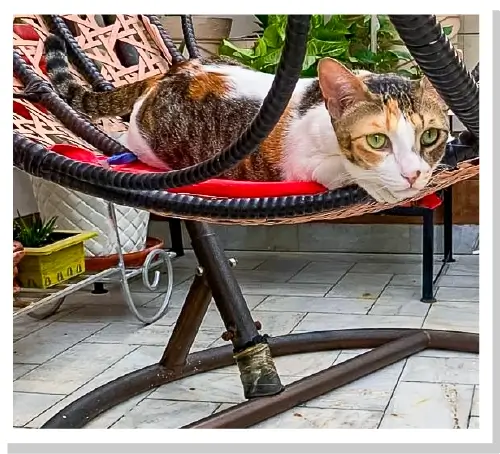
Name: Angela
Age: 4 years
Breed: Domestic Shorthair
Characteristics: loving, princess, shy
Location: Haryana, India
Parent: Neelam R.
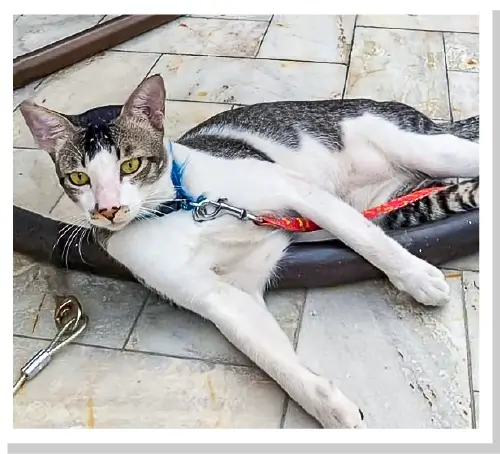
Name: Minnie
Age: 1 year
Breed: Domestic Shorthair
Characteristics: goofball, talkative, Mama’s boy
Location: Haryana, India
Parent: Neelam R.

Name: Otto
Age: 3 years
Breed: German Mittelspitz
Characteristics: fluffy, needy, mischievous
Location: Ski, Norway
Parent: Nani T.

Name: Sophie
Age: 8 years
Breed: Chihuahua/Shih Tzu Mix
Characteristics: affectionate, clever, patient
Location: Saskatchewan, Canada
Parent: Lloyd L.


If you’d like your pet to be featured, check out the submission guidelines.

TEACH is the largest national education publication in Canada. We support good teachers and teaching, and believe in innovation in education.

Education News

Ripple Foundation Invites Canadian Students to Shape the 2027 Youth Conference

High school students can gain hands-on leadership and event-planning experience as part of a national youth-led team. Applications are open until August 8, 2026.

Google’s AI Search Poses Unacceptable Risk to Kids

The AI Overview and AI Mode built into Google Search are not safe enough to be kids’ default source of answers and, concerningly, the features can't be turned off.

29 Pieces Launches Global “Planet Earth LOVE Project” Arts Movement and Competition

Uniting schools, non-profits, and global artists to explore environmental stewardship through 2,500 artworks in a shared Instagram gallery of love for our planet and each other.

Leadership Program Helps Community College Students Earn Degrees from Top Colleges and Universities

The Kaplan Educational Foundation celebrates the latest college decisions from its 19th cohort of scholars in its Kaplan Leadership Program.

Can We Predict Third-Grade Proficiency in Kindergarten?

New study examines early indicators that can help educators better support students before achievement disparities become harder to address.

Dancing Through Culture: Using Children’s Literature to Preserve Dominican and Caribbean Identity

Luz Maria Mack’s growing collection of children’s books highlights the power of storytelling to preserve cultural traditions, strengthen identity, and create meaningful opportunities for social-emotional learning.
TEACH Mag
TEACH Mag
TEACH is the largest national education publication in Canada. We support good teachers and teaching, and believe in innovation in education.

Advertisement

Advertisement

Read More

Ripple Foundation Invites Canadian Students to Shape the 2027 Youth Conference

High school students can gain hands-on leadership and event-planning experience as part of a national youth-led team. Applications are open until August 8, 2026.

What Happens When the Last Pre-AI Teachers Leave the Classroom?

The conversation about AI in education focuses almost entirely on students. What they’re losing. What the system should do to protect them. But it’s not just students who are losing something. It’s teachers, too.

What Is Student Agency and Why Is It Important?

Student agency is often discussed but rarely defined in ways that feel practical. In my classroom, it means giving students voice, choice, and meaningful responsibility within clear expectations.

What Administrators Should Look for in Quality Playground Development for Schools

A well-planned playground enhances student development, improves your school’s appeal to prospective families, and supports educational objectives.

How Does ABA Therapy Compare with Other Autism Therapies for Supporting Students with Autism?

When supporting students with autism, there are many different types of autism therapies that can help children thrive in the classroom and beyond. Applied Behaviour Analysis (ABA) is one of the most well-known options.

Beyond “Just Say No”: How Teachers Can Have Honest Conversations About Alcohol with Teens

For decades, alcohol prevention efforts have often centred on a simple message: “Just say no.” While well-intentioned, today’s educators know that one-size-fits-all approaches rarely resonate with teenagers.