SchoolStatus, the K–12 company focused on connecting educators and families on the topics that matter most, recently announced a new solution that helps districts start critical conversations about student literacy progress. Launched this past March during National Reading Month, this solution addresses a critical turning point.
While districts nationwide are intensifying efforts to boost literacy, spring 2024 state assessment data reveals a sobering trend: reading gaps have widened since the pandemic, with only 11 percent of students currently attending districts that have returned to 2019 proficiency levels.
The Link Between Attendance and Literacy
SchoolStatus Literacy was shaped by direct input from districts across the country. Steve Hornick, SchoolStatus’s Chief Technology and Product Officer, routinely heard from district leaders, “Students with low literacy scores are missing more school, which affects their ability to catch up to their peers and further entrenches chronic absenteeism.”
This observation is confirmed in research. A recent study published by the Annenberg Institute at Brown University followed nearly 9,000 students from Pre–K through eighth grade. The research shows that students with higher rates of absenteeism, especially unexcused absences, were significantly more likely to score below expectations in English Language Arts, a core measure of reading and literacy.
This correlation plays out in NAEP scores as well. According to research conducted by Alan Ginsburg, a “fourth grader who said they missed three or more days in the previous month scored 17 points lower on the reading test than those who missed no days.”
That interconnectedness of literacy attainment and attendance prompted SchoolStatus to base the new Literacy solution on its industry-leading attendance product. Like SchoolStatus Attend, this new solution brings together disparate data sources to help educators and families understand what’s holding students back—so they can partner on solutions.
The Literacy Perception Gap
A focus on improving literacy home learning environments sets SchoolStatus’s new solution apart.
While districts are launching initiatives to improve literacy scores, parents are in the dark. Nearly 9 in 10 U.S. parents believe their child is at or above grade level in reading, even though national achievement data shows far fewer students are performing at grade level.
“There’s a large gap between families’ perception of reading progress and where students actually are,” said Dr. Kara Stern, Director of Education at SchoolStatus. “According to the report from Learning Heroes and Gallup, 64% of parents say report cards are their main measure for determining whether a child is on grade level, and 79% report their child receives B’s or better. At the same time, standardized tests show that less than half of students are actually grade-level proficient. Until districts solve that disconnect, families can’t be true partners in pushing reading progress forward.”
Stern noted, “If families don’t know that their child needs support in reading, they can’t be part of the solution.”
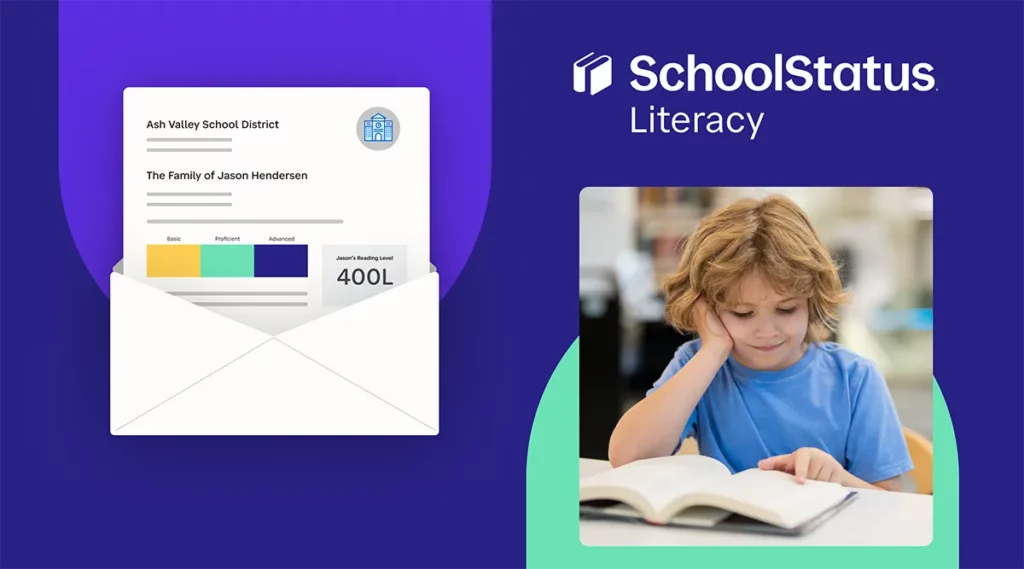
SchoolStatus Literacy brings in student literacy scores from assessment platforms already in use by districts and sends personalized updates to families that include their child’s scores and reading level. This ensures families know their child’s reading scores, how they compare with their peers, and have the resources to encourage reading at home.
Literacy messages are flexible, ensuring all families can receive the messages and help accelerate reading progress. Reading progress updates can be delivered through the mail and digital channels. All communications are translated into families’ preferred home languages and designed to be culturally relevant. This flexibility ensures that neither language nor location is a barrier to families partnering with schools to improve literacy.
SchoolStatus Literacy also allows districts to get families to the resources they’ve already created. Messages can be customized to include links to assessment portals, district at-home literacy resources, or leadership updates.
This new solution in the SchoolStatus suite furthers the company’s core mission of connecting families and educators around the topics that matter most. Districts can start utilizing SchoolStatus Literacy to build trust and partner with families beginning in March 2026.
Learn more at schoolstatus.com/literacy.
About SchoolStatus
SchoolStatus connects educators and families around the topics that matter most. The company partners with K–12 districts to improve attendance, engage families, and build trust so students can succeed. A recognized leader in data-driven attendance and family engagement solutions, SchoolStatus enables districts and educators to engage families with relevant, timely communications and proactive support on important topics including absenteeism, literacy progress, and overall student readiness. Today, SchoolStatus supports districts in all 50 states and serves more than 22 million students nationwide as a trusted partner in driving better student outcomes.

TEACH is the largest national education publication in Canada. We support good teachers and teaching and believe in innovation in education.