

Subscribe from $5.99
0,00 USD

No products in the cart.

Teacher’s Pet: September/October 2025

Advertisement

Originally published in TEACH Magazine, September/October 2025 Issue
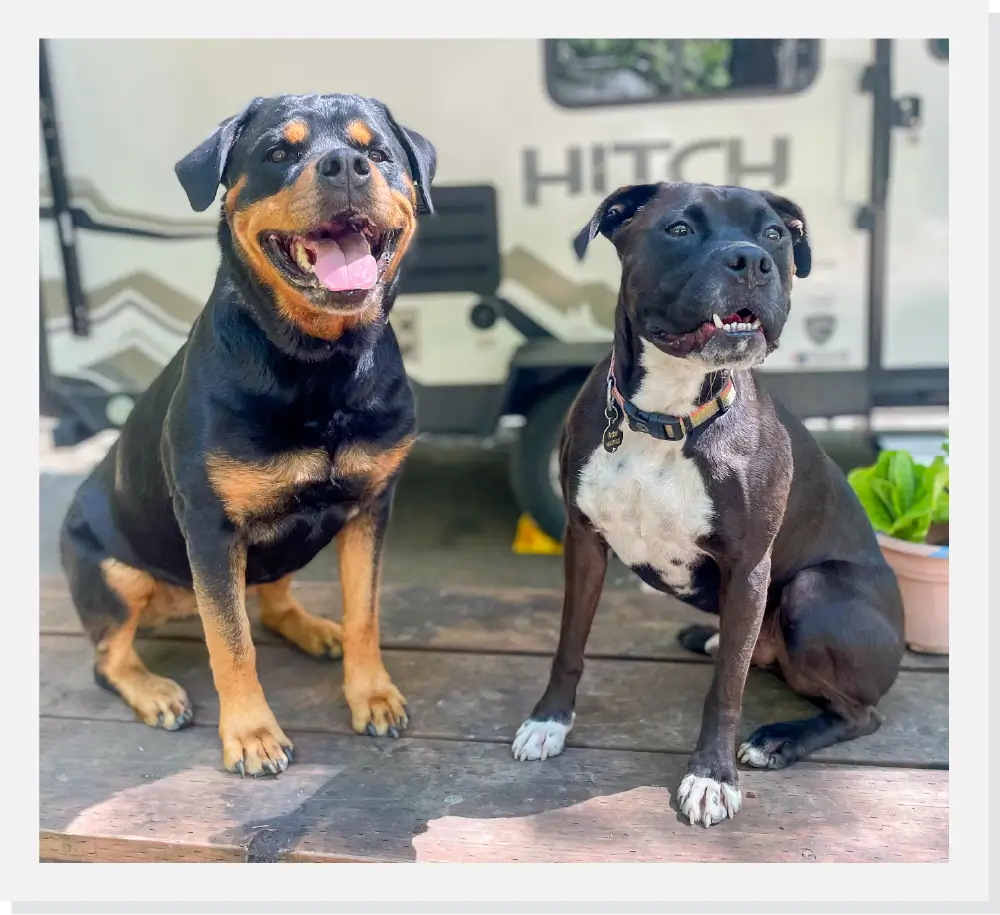
A photo of Lana (left) and Archer (right) sitting together on a wooden deck. A camping trailer can be seen in the background

Names: Lana | Archer
Ages: 9 years | 5 years
Breeds: Rottweiler | Boxer-Bulldog Mix
Characteristics: big, big personality, big heart | athletic, playful, cuddly
Location: Washington, USA
Parent: Brittany L.

Lana is consistently on the “dangerous dog breed” list, but the most dangerous thing about her is stepping on someone’s toes with her 100 lb weight! Lana is a certified canine good citizen dog; she and Brittany volunteered in a resource teacher’s classroom, where students read and wrote to Lana. Both Lana and Archer have also visited a middle school, where Brittany spoke about dog training and how dogs can support mental health.
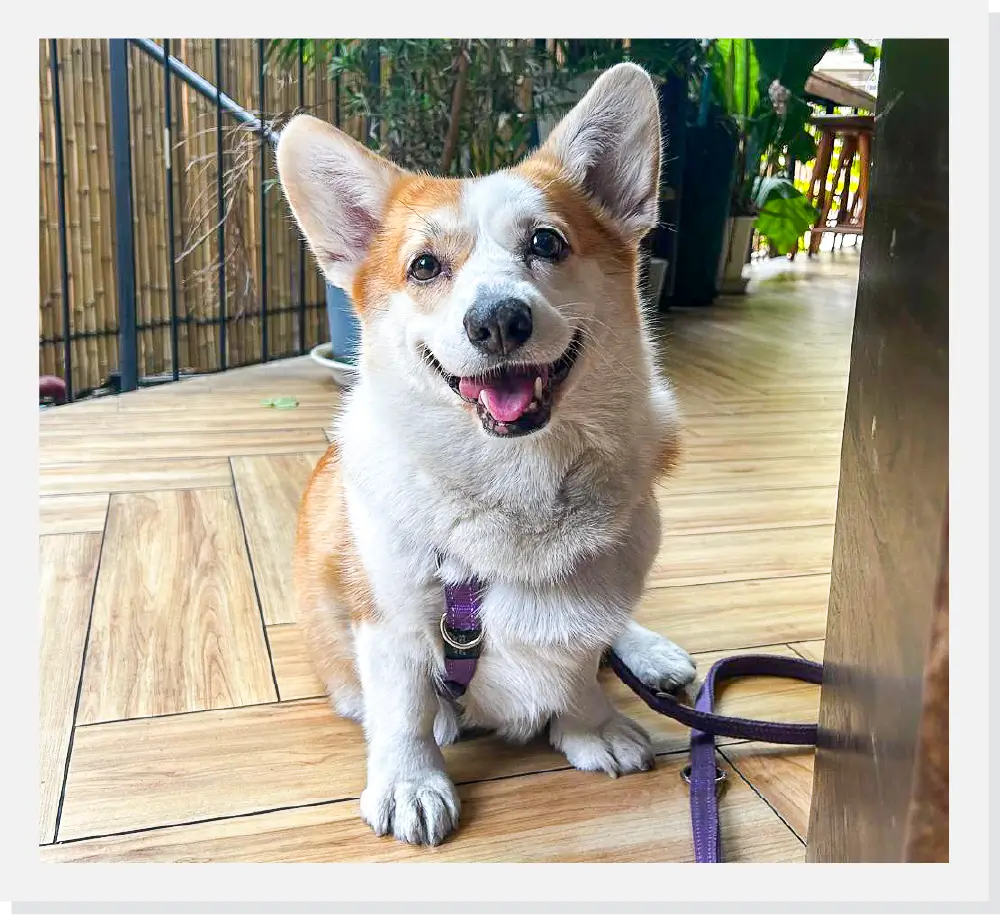
A photo of Phoebe the Welsh Corgi sitting on the floor of an outdoor restaurant

Name: Phoebe
Age: 7 years
Breed: Welsh Corgi
Characteristics: resilient, fluffy, always hungry
Location: Bangkok, Thailand
Parent: April S.
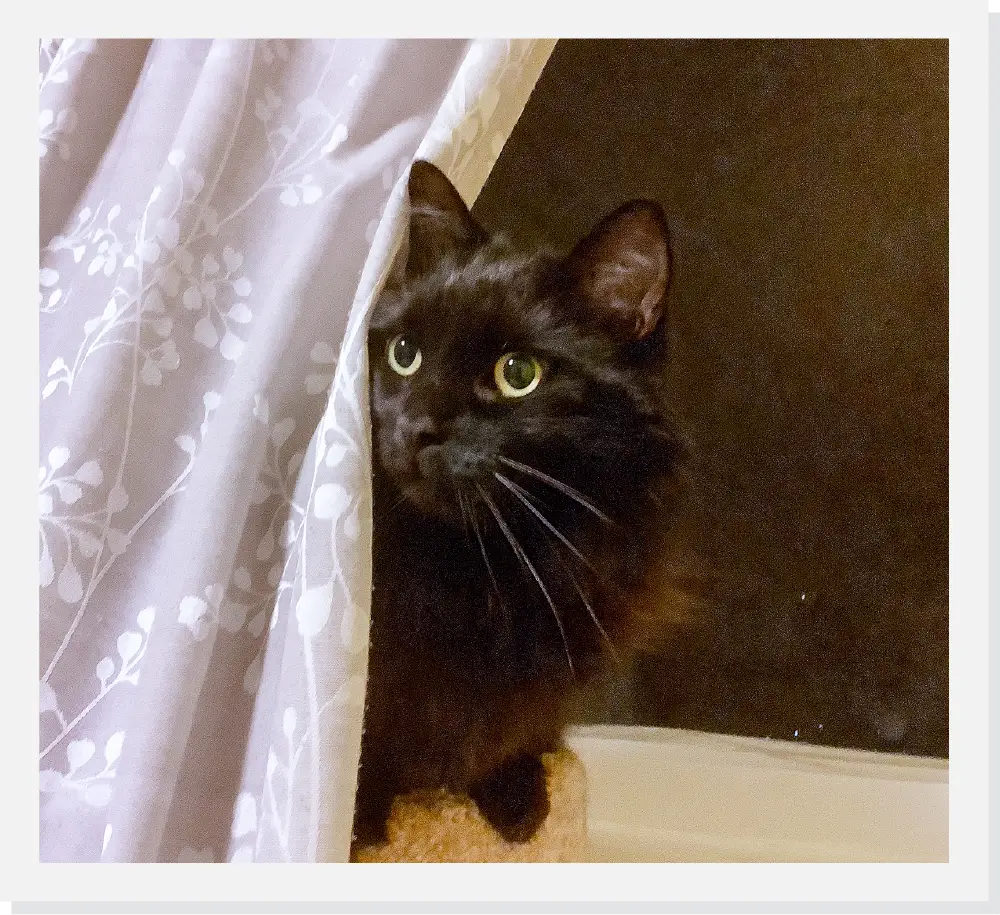
A photo of Smooch the black longhaired cat. He is hiding behind a curtain, with just his face poking out

Name: Smooch
Age: 11 years
Breed: Domestic Longhair
Characteristics: affectionate, smart, brave
Location: British Columbia, Canada
Parent: Michelle D.


If you’d like your pet to be featured, check out the submission guidelines.

TEACH is the largest national education publication in Canada. We support good teachers and teaching and believe in innovation in education.

Education News

Supporting Teachers with Tiny Pep Talks

Teaching is meaningful, important, and filled with joys both big and small. But also, let’s face it, there are days where you could use an extra pep talk (or twenty).

Why We Need to Start Recognizing the Strengths of Sensitive Children

I was a boy in Texas in the 1980s. At that time, young men were expected to grow into cowboys or firefighters or G.I. Joes.

Sustainable Professional Wear for Teachers

Teachers make hundreds of decisions every day. Yet one of the earliest decisions happens quietly at home each morning: What am I going to wear today?

Key Forces Shaping K–12 Learning in 2026

The annual report identifies the top challenges schools must overcome, trends driving innovation, and tools transforming teaching and learning this year.

Indoor Air Quality Policies to Make Schools Healthier and More Energy Efficient

In “A Win-Win for Lung Health,” the American Lung Association outlines ten recommendations to improve energy efficiency and ensure healthy indoor air quality.

Why Eighth-Grade Algebra Access Matters

Access to eighth-grade algebra is far from equal. Many students never get the chance to take it before high school, even when they’re ready.
TEACH Mag
TEACH Mag
TEACH is the largest national education publication in Canada. We support good teachers and teaching and believe in innovation in education.

Advertisement

Advertisement

Read More

Teaching Through Connection: The Value of Personal Intelligences in the Classroom

Personal intelligences (interpersonal and intrapersonal) sit at the heart of meaningful language learning.

How Belonging Fuels Literacy

Literacy achievement does not happen by accident. It grows through intentional choices—decisions made every day about instruction, environment, and relationships.

Supporting Teachers with Tiny Pep Talks

Teaching is meaningful, important, and filled with joys both big and small. But also, let’s face it, there are days where you could use an extra pep talk (or twenty).

Learning About Money Should Feel Less Like Homework and More Like Real Life

It’s time to start rethinking financial education for the digital generation. Here’s how.

Rethinking Continuity: How Looping Can Transform Classrooms

Students perform better when they experience a stable environment with consistent relationships. One way to achieve this is through looping.

Digital Literacy: Helping K–12 Students Learn to Spot Misinformation

How can educators make students aware of the fact that not everything they read or hear online is true?