

Subscribe from $5.99
0,00 USD

No products in the cart.

From Crafts to Curriculum: Why Playful Learning Isn’t Just for Kids

Advertisement

By Dr. Meredith Swallow and Dr. Shannon Larsen

Play is widely acknowledged as essential to children’s learning; but does it have a role for the future teachers who are learning to guide those children as well?

In our university-based introductory teacher education course, we decided to pose this question to our pre-service teachers. Then, we set out to find some answers through a non-traditional setting: our university’s makerspace.
Subscribe to Keep Reading

🔑 You’re one step away from unlocking premium content.
Subscribe now for as low as $5.99 and get full access!

Subscribe

If you’re already subscribed, please Log In.

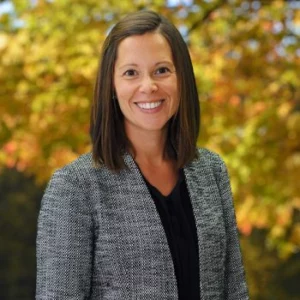
Dr. Meredith Swallow, a former middle grades teacher, is now an Associate Professor of Elementary Education at the University of Maine at Farmington. She works with preservice and graduate-level educators to develop and implement innovative teaching practices that foster active, learner-driven environments and meaningful technology integration.
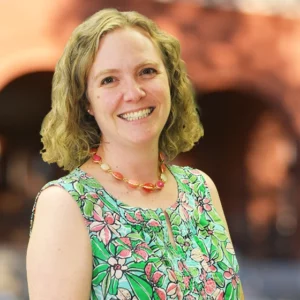
Dr. Shannon Larsen started her career in education teaching 3rd, 5th, and 7th grade before becoming a K–8 math coach. She is now a Professor of Elementary Education at the University of Maine at Farmington where she enjoys teaching classes for pre-service and practicing teachers.
Education News

Using Music to Teach Democracy

Targeted at students aged 6–14, project MELODY is building a cross-curricular methodology that integrates music with citizenship education.

Free eBook Offers Roadmap to Human-Centered Communication in the Age of AI

The free resource offers districts a roadmap for building strong family engagement during a period of rapid automation in schools.

Behind Canada’s Declining Math Performance and the Evidence-Based Fix

For over a decade, math scores on international tests have declined across all Canadian provinces. Here’s what schools can do to reverse this downward trend.

New YA Novel Shows How Fiction Conquers Real Fears in the Age of “Run, Hide, Fight”

“Gone Before You Knew Me” is a satirical spy thriller about a girl trying to make it out of high school alive. The story is fictional, but it speaks to real fears in an age where students and staff are drilled in “run, hide, fight” scenarios as a matter of course.

Why Table Tennis Is Working in NYC Classrooms

As the newly released film “Marty Supreme” brings the world of table tennis into the cultural spotlight, it also quietly parallels a powerful real-life story behind the sport.

Celebrate Love and Kindness with Julie Flett’s Latest Picture Book

From beloved author and illustrator Julie Flett comes an adorable celebration of the ways we show love. For kids up to age 7.

Advertisement

Read More

Using Music to Teach Democracy

Targeted at students aged 6–14, project MELODY is building a cross-curricular methodology that integrates music with citizenship education.

An Interdependent Approach: Building and Centring Positive Disability Identities in the Classroom

As educators, we aim to create meaningful, exciting, and supportive futures for all of our students. That’s why we must build learning environments where positive disability identities grow.

Here’s How Captain Sandy Is Raising Awareness of Careers in the Marine Industry

Reality TV star and superyacht captain Sandy Yawn speaks with us about how her educational program is creating opportunities for young people to thrive in the maritime industry.

Free eBook Offers Roadmap to Human-Centered Communication in the Age of AI

The free resource offers districts a roadmap for building strong family engagement during a period of rapid automation in schools.

Behind Canada’s Declining Math Performance and the Evidence-Based Fix

For over a decade, math scores on international tests have declined across all Canadian provinces. Here’s what schools can do to reverse this downward trend.

Beyond the Map: Engaging with Complex Histories to Support Critical Place-Based Learning

As educators, we are rarely asked to sit with the histories of our city and consider how they influence our pedagogy, curriculum, and relationship with the community.